Brooke County Pipe Asbestos

Brooke County Pipe Asbestos

Brooke County Pipe Asbestos exposure has affected generations of industrial, utility, and maintenance workers throughout the northern West Virginia panhandle. Pipe systems in power plants, steel facilities, chemical operations, and municipal infrastructure historically relied on asbestos-containing materials because they could withstand extreme heat and pressure. Unfortunately, that same design choice placed workers and their families at serious risk.

Mesothelioma/Asbestos Legal Help – WV, MI & PA

Speak directly with attorney Lee W. Davis. No call centers. Free, confidential review.
For decades, pipe insulation, gaskets, flange packing, valve seals, and refractory coverings used in Brooke County facilities contained asbestos. When those materials were cut, removed, repaired, or disturbed, asbestos fibers became airborne—often in confined mechanical rooms, boiler areas, and pipe chases where exposure was intense.

How Pipe Asbestos Exposure Occurred in Brooke County

Workers in Brooke County encountered asbestos during routine job duties, including:

  • Installing or removing insulated steam and process piping
  • Cutting or fitting pipe wrapped in asbestos insulation
  • Repairing valves, pumps, and flanges sealed with asbestos gaskets
  • Working in powerhouses, steel operations, and industrial buildings
  • Performing maintenance in older municipal or utility systems

Many workers were never warned that the dust released during pipe work contained asbestos. Protective equipment was minimal or nonexistent, and safety training rarely addressed long-term health consequences.

Take-Home Asbestos Exposure and Families

Pipe asbestos exposure in Brooke County was not limited to the jobsite. Dust from asbestos-containing pipe insulation frequently traveled home on work clothes, boots, tools, and jackets. Spouses and children were exposed while shaking out clothing, doing laundry, or simply living in the same household.

👉 Search Asbestos Job Sites in West Virginia

West Virginia law recognizes take-home asbestos exposure claims, and families who never worked directly with asbestos products may still have valid legal rights if exposure came from a household member’s pipe or industrial work.

Long-Term Health Consequences

Diseases linked to asbestos exposure often take decades to appear. Many Brooke County workers were exposed in the 1960s, 1970s, and 1980s, only to receive a diagnosis much later in life. Because of this delay, people often do not connect their illness to pipe work performed decades earlier—yet the legal connection can still be established.

Legal Options for Brooke County Pipe Asbestos Claims

Even if the original employer is gone or the facility has closed, asbestos claims may still be pursued against manufacturers, suppliers, and contractors responsible for the asbestos-containing products used in pipe systems.

👉 Read About Marshall County Pipe Asbestos Exposure

Compensation may be available for:

  • Medical expenses
  • Lost income and benefits
  • Pain, suffering, and loss of quality of life
  • Wrongful death claims for surviving family members

Talk Directly With an Experienced Asbestos Attorney

Attorney Lee W. Davis has handled asbestos cases since 1988 when he started as a paralegal in the Original Mass Asbestos Trials in West Virginia, including pipe, insulation, and industrial exposure claims across West Virginia. There are no upfront fees, and you do not pay unless compensation is recovered.

If you or a family member worked around pipe systems in Brooke County and later developed an asbestos-related illness, do not assume it is too late.

📞 Call (412) 781-0525

💬 Free, confidential consultation

📍 Serving Brooke County and all of West Virginia

Check If Your Family Was Exposed

Get your free guide instantly + a confidential case review.

🔒 100% Confidential. No obligations.

Frequently Asked Questions – Brooke County Pipe Asbestos

What is Brooke County Pipe Asbestos exposure?

Brooke County Pipe Asbestos exposure occurs when workers inhale asbestos fibers released from pipe insulation, gaskets, seals, or coverings used in industrial and utility systems. These materials were common in older power plants, steel facilities, chemical operations, and municipal infrastructure throughout Brooke County.


Which workers faced the highest pipe asbestos exposure in Brooke County?

Pipe asbestos exposure most often affected pipefitters, steamfitters, maintenance workers, millwrights, boilermakers, electricians, and utility workers. Anyone who installed, repaired, cut, or worked near insulated piping or valve systems may have been exposed.


Can family members be affected by pipe asbestos exposure?

Yes. Asbestos dust from pipe insulation frequently traveled home on work clothing, boots, and tools. Spouses and children were exposed through laundering clothes or household contact. West Virginia recognizes take-home asbestos exposure claims for affected family members.


Do I still have a case if the Brooke County jobsite closed years ago?

Yes. Many asbestos claims are filed decades after exposure because asbestos-related illnesses take a long time to develop. Claims are often pursued against manufacturers and suppliers of asbestos-containing pipe products, even if the original employer no longer exists.


What compensation may be available for pipe asbestos claims?

Compensation may include payment for medical costs, lost income, reduced earning capacity, pain and suffering, and—in fatal cases—wrongful death damages for surviving family members.


How do I know if my pipe work involved asbestos?

Asbestos was widely used in pipe insulation, gaskets, flange packing, and heat-resistant materials before safety bans took effect. An experienced asbestos attorney can identify exposure sources based on your job duties, work locations, and time period—even if you were never warned at the jobsite.


Is there a cost to speak with an asbestos lawyer?

No. Consultations are free, confidential, and handled directly by attorney Lee W. Davis. There are no upfront fees, and you only pay if compensation is recovered.

Mesothelioma/Asbestos Legal Help – WV, MI & PA

Speak directly with attorney Lee W. Davis. No call centers. Free, confidential review.
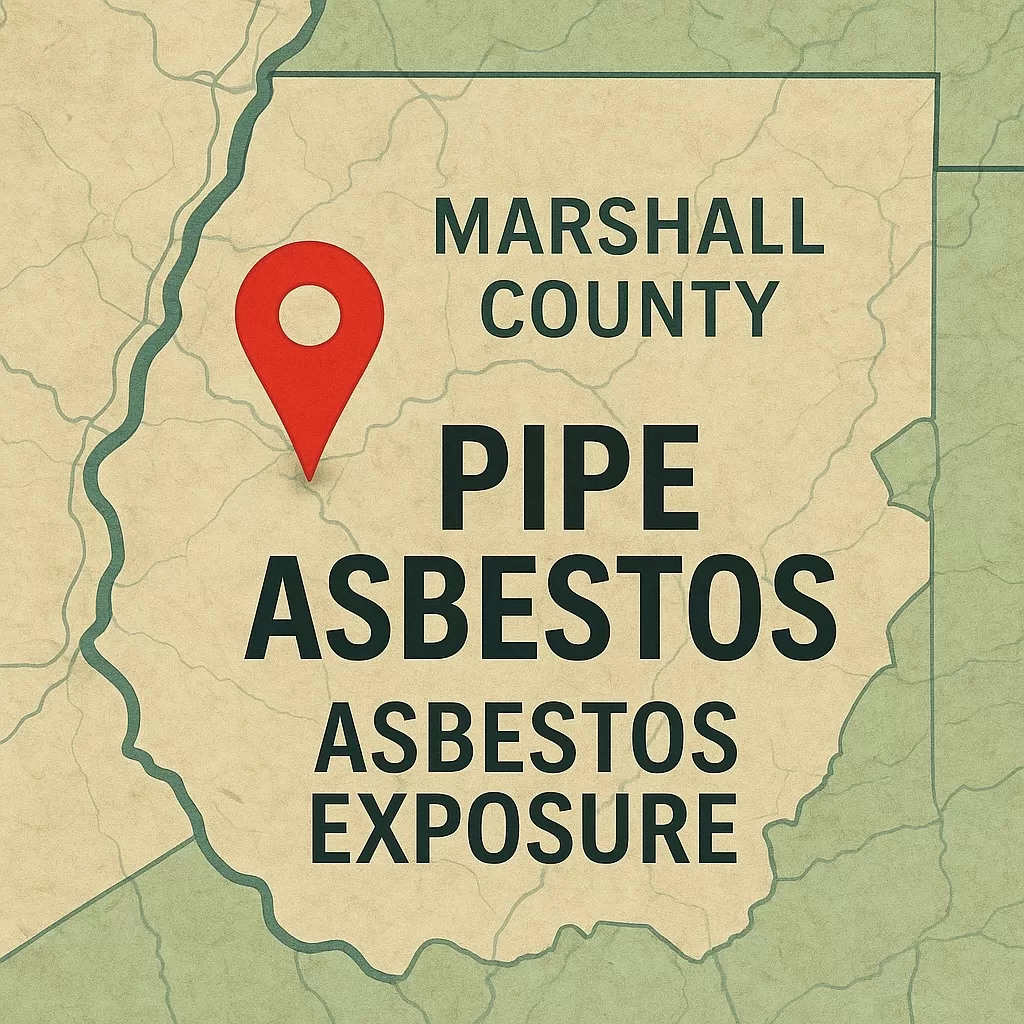
Marshall County Pipe Asbestos

Marshall County Pipe Asbestos

Marshall County pipe asbestos exposure has caused mesothelioma, lung cancer, and other serious asbestos diseases in pipefitters, maintenance workers, and industrial trades throughout the Ohio Valley. For decades, asbestos-containing pipe insulation, gaskets, and thermal systems were used in power plants, factories, and public facilities across Marshall County, often without warnings or protective equipment.

Workers in Moundsville, Glen Dale, Cameron, and surrounding communities were routinely exposed while cutting, repairing, or working near insulated piping systems that released asbestos dust into the air.

Mesothelioma/Asbestos Legal Help – WV, MI & PA

Speak directly with attorney Lee W. Davis. No call centers. Free, confidential review.
Where Pipe Asbestos Exposure Occurred in Marshall County

Pipe asbestos was widely used in high-heat and industrial environments, including:

  • Power plants and utility facilities
  • Manufacturing and industrial plants
  • Chemical and processing facilities
  • Schools, hospitals, and municipal buildings
  • Boiler rooms, pump houses, and mechanical spaces

Pipefitters, steamfitters, millwrights, maintenance mechanics, electricians, and laborers were often exposed while disturbing old insulation or working in confined mechanical areas where asbestos dust accumulated.

👉 Search Asbestos Job Sites in West Virginia

Why Pipe Asbestos Was So Dangerous

Asbestos was added to pipe insulation and thermal systems because it resisted heat and corrosion. Over time, these materials deteriorated and became friable, releasing microscopic fibers when disturbed. Workers frequently inhaled asbestos dust during:

  • Pipe removal or replacement
  • Insulation repairs
  • Boiler and turbine maintenance
  • Emergency shutdowns and repairs

Many Marshall County workers were exposed repeatedly over years — often without knowing the long-term health risks.

Diseases Linked to Pipe Asbestos Exposure

Pipe asbestos exposure has been linked to:

These diseases typically appear 20–50 years after exposure, meaning many former workers are only now being diagnosed.


Family and Take-Home Asbestos Exposure

Marshall County families were also placed at risk through take-home asbestos exposure. Workers unknowingly carried asbestos fibers home on clothing, boots, and tools, exposing spouses and children. Many mesothelioma cases involve people who never worked directly at industrial sites but lived with someone who did.

Your Legal Rights After Marshall County Pipe Asbestos Exposure

If you or a family member was diagnosed with mesothelioma or another asbestos-related disease, you may be entitled to compensation through:

These claims can help cover medical bills, lost income, and provide financial security for families.

Why Choose Attorney Lee W. Davis

Attorney Lee W. Davis has handled asbestos and mesothelioma cases since 1988, including claims involving pipefitters, power plant workers, and industrial trades across Marshall County and the Ohio Valley. You work directly with the attorney — not a call center — and cases are handled on a contingency basis.


Call for a Free Marshall County Asbestos Case Review

If you were exposed to pipe asbestos in Marshall County — or lost a loved one to mesothelioma — time matters.

📞 Call (412) 781-0525

🌐 Visit leewdavis.com

✅ Free consultation

✅ No fees unless compensation is recovered

Check If Your Family Was Exposed

Get your free guide instantly + a confidential case review.

🔒 100% Confidential. No obligations.


FAQs

How do I know if I was exposed to pipe asbestos?

If you worked around insulated pipes, boilers, or mechanical systems before the 1980s, exposure is possible — even if asbestos was not identified at the time.

Can I file a claim if the exposure happened decades ago?

Yes. Asbestos laws recognize long latency periods. Claims often begin after diagnosis, not exposure.

What if the company I worked for no longer exists?

Many asbestos manufacturers and employers funded trust funds specifically to compensate victims.

Can family members file claims?

Yes. Spouses and children exposed through contaminated work clothing may qualify for compensation.

Mesothelioma/Asbestos Legal Help – WV, MI & PA

Speak directly with attorney Lee W. Davis. No call centers. Free, confidential review.
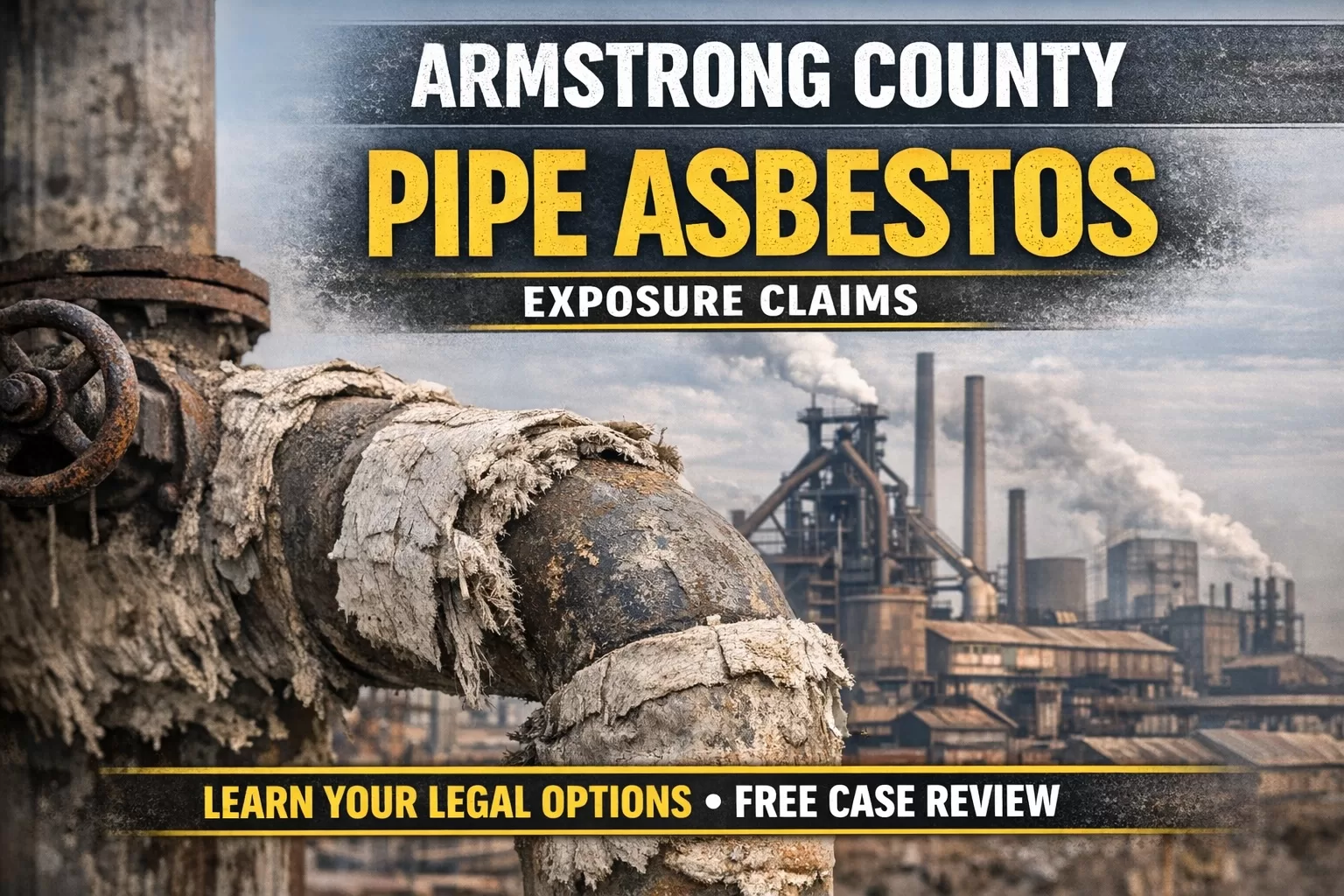
Armstrong County Pipe Asbestos

Armstrong County Pipe Asbestos

Armstrong County Pipe Asbestos exposure has caused serious illnesses among workers who spent years around insulated piping, steam lines, valves, and boilers in mills, schools, and industrial facilities throughout the county. Many workers were never warned that the pipe materials they handled every day contained asbestos.

If you or a family member worked around industrial piping in Armstrong County and later developed mesothelioma, lung cancer, or another asbestos-related disease, you may have legal options.

How Pipe Asbestos Exposure Occurred in Armstrong County

For decades, asbestos was heavily used to insulate pipes because it resisted heat and fire. In Armstrong County, asbestos-containing pipe materials were commonly found in:

  • Steel and metal fabrication facilities
  • Powerhouses and boiler rooms
  • Municipal buildings and schools
  • Industrial maintenance shops
  • Manufacturing plants and warehouses

Pipe insulation, gaskets, and cement released asbestos fibers when they were cut, repaired, removed, or disturbed during routine maintenance.

Workers often inhaled these fibers unknowingly.

Workers Most at Risk from Pipe Asbestos

Pipe asbestos exposure in Armstrong County most often affected:

  • Pipefitters and steamfitters
  • Maintenance and repair workers
  • Millwrights
  • Electricians working near insulated pipes
  • Laborers and utility workers
  • Boiler operators and maintenance staff

Even workers who were not directly installing insulation were exposed simply by working nearby while others cut or removed asbestos-containing pipe materials.

Diseases Linked to Pipe Asbestos Exposure

Asbestos fibers lodge deep in the lungs and can cause serious diseases years or even decades later. Common diagnoses include:

Many Armstrong County workers were diagnosed long after retirement, making it difficult to connect the illness back to jobsite exposure without experienced legal help.

Armstrong County Pipe Asbestos Claims

Asbestos claims are often filed against manufacturers of pipe insulation, gaskets, valves, and related materials — not against former employers. These cases frequently involve:

  • Jobsite and work-history reconstruction
  • Identifying asbestos-containing pipe products used decades ago
  • Claims against asbestos trust funds or manufacturers

You do not need to remember specific brand names to have a valid claim.

👉 Search Asbestos Job Sites Western Pennsylvania

Why Local Experience Matters

Asbestos cases are not generic. Armstrong County pipe asbestos claims depend on understanding:

  • Where industrial pipe systems were installed
  • What materials were commonly used in the region
  • How maintenance work exposed workers over time

Generic national firms often miss these details. Local knowledge matters.


Free Armstrong County Pipe Asbestos Case Review

If you worked around pipes, steam systems, or boilers in Armstrong County and were later diagnosed with mesothelioma or lung cancer, you should speak with an attorney who handles asbestos cases.

There is no cost to talk.

You pay nothing unless a recovery is made.

📞 Call Lee W. Davis at (412) 781-0525 and Speak Directly with Lee, not a Call Center or Intake Specialist

📍 Serving Armstrong County and Western Pennsylvania

📄 Free, confidential consultation

Check If Your Family Was Exposed

Get your free guide instantly + a confidential case review.

🔒 100% Confidential. No obligations.


Frequently Asked Questions

What if I worked around pipes but never installed insulation?

You may still have been exposed. Many workers inhaled asbestos fibers simply by working near insulated pipes during repairs or renovations.

Can a family file a claim if the worker has passed away?

Yes. Wrongful death asbestos claims are common and often filed by spouses or children.

How long do asbestos cases take?

Some claims resolve quickly through asbestos trust funds, while others take longer depending on exposure history and diagnosis.

Do I need proof of asbestos exposure?

No. Experienced asbestos attorneys reconstruct exposure using work history, jobsite records, and industry data.

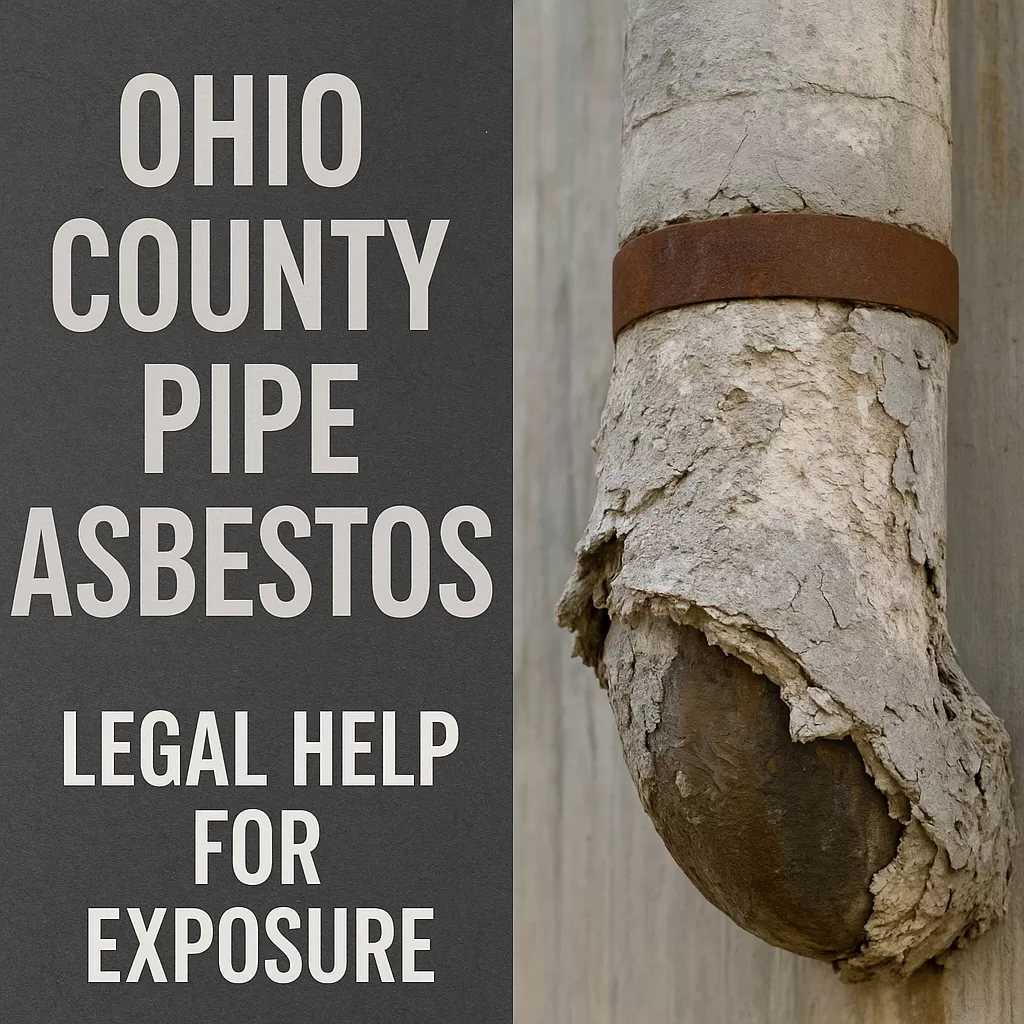
Ohio County Pipe Asbestos

Ohio County Pipe Asbestos

Ohio County Pipe Asbestos exposure has affected workers and families throughout Wheeling, Warwood, and surrounding industrial areas for decades. Pipes insulated with asbestos-containing materials were common in steel facilities, power plants, chemical operations, and municipal systems across Ohio County, West Virginia. When those materials deteriorated or were disturbed during maintenance, dangerous asbestos fibers were released into the air.

Mesothelioma/Asbestos Legal Help – WV, MI & PA

Speak directly with attorney Lee W. Davis. No call centers. Free, confidential review.
Many Ohio County workers were never warned that pipe insulation, gaskets, and coverings could later lead to mesothelioma or other asbestos-related cancers. Exposure often occurred daily and over long periods, increasing the risk of serious illness years or even decades later.

Where Pipe Asbestos Exposure Occurred in Ohio County

Asbestos was widely used on industrial piping because it resisted heat, corrosion, and fire. In Ohio County, pipe asbestos exposure commonly occurred at:

  • Steel mills and metal fabrication facilities
  • Power plants and utility systems
  • Chemical and industrial processing plants
  • Boiler rooms and pump houses
  • Municipal buildings, schools, and hospitals
  • Oil, gas, and refinery-related infrastructure

Pipefitters, maintenance workers, millwrights, boilermakers, electricians, and laborers were frequently required to cut, remove, or repair asbestos-insulated piping without protective equipment.

👉 Search Asbestos Job Sites in West Virginia

How Workers Were Exposed

Pipe asbestos exposure typically happened during routine tasks, including:

  • Removing or replacing old pipe insulation
  • Cutting or grinding asbestos-covered pipes
  • Working near damaged or crumbling insulation
  • Repairing valves, joints, and gaskets
  • Cleaning debris in mechanical rooms

Asbestos fibers released during these activities were easily inhaled and could remain airborne for hours, exposing not only workers but others nearby.

Take-Home Asbestos Exposure in Ohio County

Ohio County Pipe Asbestos exposure did not stop at the jobsite. Many workers unknowingly carried asbestos dust home on their clothing, boots, and tools. Family members were exposed while laundering work clothes or through contact in the home.

Take-home asbestos exposure has led to mesothelioma diagnoses among spouses and children who never worked in industrial settings themselves. These claims are legally recognized in West Virginia and remain an important part of asbestos litigation.

Why Ohio County Asbestos Cases Are Still Viable

Even if the jobsite closed years ago or the exposure occurred decades earlier, Ohio County Pipe Asbestos claims may still be pursued. Liability often rests with manufacturers of asbestos-containing insulation, pipe coverings, gaskets, and industrial components—not just local employers.

Asbestos cases rely on work history, job duties, and product identification rather than current site conditions.


Legal Help for Ohio County Pipe Asbestos Victims

Attorney Lee W. Davis has represented asbestos victims since 1988, including workers and families affected by industrial exposure throughout the Ohio River Valley. Ohio County Pipe Asbestos cases require detailed knowledge of local worksites, trades, and historical asbestos use.

If you or a family member has been diagnosed with mesothelioma after working around asbestos-insulated pipes in Ohio County, legal options may be available.

A consultation can help determine:

  • Where exposure likely occurred
  • Which companies may be responsible
  • Whether a claim can still be filed

There is no cost to speak with an attorney, and no fee unless compensation is recovered.

If you or a loved one were exposed to Ohio County Pipe Asbestos and later diagnosed with mesothelioma, you may have legal options right now. These cases are time-sensitive, and waiting can limit recovery.

Speak directly with attorney Lee W. Davis, who has handled asbestos cases since 1988 and understands Ohio County industrial worksites, trades, and exposure pathways.

📞 Call (412) 781-0525 for a free, confidential consultation

No call centers. No obligation. No fee unless compensation is recovered.

Check If Your Family Was Exposed

Get your free guide instantly + a confidential case review.

🔒 100% Confidential. No obligations.


Frequently Asked Questions

What is Ohio County Pipe Asbestos exposure?

Pipe Asbestos exposure occurs when workers or nearby individuals inhale asbestos fibers released from insulated pipes, gaskets, or coverings used in industrial, utility, and municipal systems throughout West Virginia.


Which workers were most exposed to pipe asbestos?

Pipefitters, millwrights, maintenance workers, boilermakers, electricians, and laborers faced the highest risk, especially those working in steel mills, power plants, chemical facilities, and boiler rooms.


Can family members file claims for take-home asbestos exposure?

Yes. Family members exposed to asbestos dust brought home on work clothing or equipment may have valid claims under West Virginia law, even if they never worked at the jobsite themselves.


What illnesses are linked to pipe asbestos exposure?

Pipe asbestos exposure is most commonly linked to mesothelioma and other asbestos-related cancers that often appear decades after the initial exposure.


Can I file a claim if the jobsite closed years ago?

Yes. Ohio County Pipe Asbestos claims are often brought against asbestos product manufacturers, not the local employer, and remain viable even if the original jobsite no longer exists.


How much does it cost to speak with a lawyer?

There is no cost to speak with attorney Lee W. Davis. Consultations are free, and there are no legal fees unless compensation is recovered.

Mesothelioma/Asbestos Legal Help – WV, MI & PA

Speak directly with attorney Lee W. Davis. No call centers. Free, confidential review.
Western Pennsylvania Pipe Asbestos

Western Pennsylvania Pipe Asbestos

For decades, industrial workers across steel mills, refineries, power plants, and chemical facilities were exposed to Western Pennsylvania pipe asbestos without warnings or protection. Asbestos was heavily used in pipe insulation, pipe covering, joints, elbows, valves, and flange connections because it resisted heat, pressure, and corrosion. Those same properties made it deadly.

Today, many former workers—and even their family members—are being diagnosed with mesothelioma and lung cancer tied directly to asbestos exposure from industrial piping systems used throughout Western Pennsylvania.


Mesothelioma/Asbestos Legal Help – WV, MI & PA

Speak directly with attorney Lee W. Davis. No call centers. Free, confidential review.

How Pipe Asbestos Exposure Occurred

From the early 1900s through the late 1970s, asbestos was considered a standard industrial material. Pipe systems routinely contained asbestos in:

  • Thermal pipe insulation
  • Cement pipe covering
  • Gaskets and flange materials
  • Rope and packing used at joints
  • Protective blankets around hot piping

Exposure occurred when workers cut, removed, repaired, or disturbed these materials. Aging pipe insulation became brittle over time, releasing asbestos fibers into the air—especially during maintenance shutdowns and repairs.

Facilities most associated with pipe asbestos exposure include:

  • Steel mills (Edgar Thomson, Clairton, Irvin, Aliquippa)
  • Coke works and blast furnace operations
  • Power plants along the Ohio and Monongahela Rivers
  • Refineries and chemical plants in Beaver and Washington Counties
  • Heavy manufacturing facilities throughout Western Pennsylvania

👉 Search Asbestos Job Sites in Pennsylvania


Workers at Highest Risk

Pipe asbestos exposure affected a wide range of trades, including:

Many workers were exposed daily over years or decades, often in confined pipe tunnels, basements, or mechanical rooms with poor ventilation.


Take-Home Asbestos Exposure in Pennsylvania

Pipe asbestos did not stay at the worksite. Workers often brought asbestos fibers home on:

  • Clothing
  • Jackets and gloves
  • Tool bags
  • Boots
  • Vehicles

Family members were exposed while shaking out dusty clothes or doing laundry. Pennsylvania law recognizes take-home asbestos exposure, and spouses or children who later developed mesothelioma may have valid claims.


Why Claims Are Still Being Filed Today

Mesothelioma and asbestos-related lung cancer can take 30 to 60 years to develop. Even though many Western Pennsylvania plants closed decades ago, liability still exists because claims are typically filed against manufacturers of asbestos pipe products, not former employers.

Many responsible companies entered bankruptcy and established asbestos trust funds that continue paying claims today.


Legal Help for Western Pennsylvania Pipe Asbestos Exposure

If you or a loved one worked around industrial piping in Western Pennsylvania and were later diagnosed with mesothelioma or asbestos lung cancer, compensation may be available.

Claims often proceed without a trial and without suing a former employer.

Call 412-781-0525 for a free consultation.

Check If Your Family Was Exposed

Get your free guide instantly + a confidential case review.

🔒 100% Confidential. No obligations.

No upfront fees. Confidential review. Decades of asbestos litigation experience.

FAQs – Western Pennsylvania Pipe Asbestos

1. How were workers exposed to asbestos from pipes in Western Pennsylvania?

Asbestos was widely used in pipe insulation, cement covering, gaskets, and packing. Cutting, repairing, or removing these materials released fibers into the air, especially during maintenance and shutdowns.


2. Which jobs faced the highest pipe asbestos exposure?

Pipefitters, boilermakers, millwrights, maintenance mechanics, stationary engineers, and laborers working near active pipe systems faced the greatest risk.


3. Can family members be affected by pipe asbestos exposure?

Yes. Workers often carried asbestos dust home on clothing and tools. Pennsylvania recognizes take-home asbestos exposure, and family members who later developed mesothelioma may have valid claims.


4. Are claims still valid if the plant closed decades ago?

Yes. Most cases are filed against manufacturers of asbestos pipe products, not employers. Many responsible companies created asbestos trust funds that still pay claims today.


5. How long after exposure do asbestos diseases appear?

Mesothelioma and asbestos-related lung cancer often appear 30 to 60 years after exposure, which is why claims continue long after asbestos use ended.


6. Do I need proof of the exact asbestos product I worked with?

Not always. Work history, jobsite records, and industry evidence are often enough to establish exposure.

Western Pennsylvania Pump Asbestos

Western Pennsylvania Pump Asbestos

For decades, thousands of workers across steel mills, power stations, chemical plants, and refineries faced Western Pennsylvania pump asbestos exposure without ever being warned. Pumps were used in every major industrial facility in the region, and nearly all pump systems contained asbestos components—especially gaskets, packing, seals, insulation, and flange materials.

Today, former workers are being diagnosed with mesothelioma and lung cancer tied directly to these exposures. Many families have also been affected through take-home asbestos carried home on clothing, lunch pails, and work gear from pump repair areas.

If you or a loved one worked around pumps in Western Pennsylvania and later developed mesothelioma or another asbestos-related cancer, compensation may still be available.

Mesothelioma/Asbestos Legal Help – WV, MI & PA

Speak directly with attorney Lee W. Davis. No call centers. Free, confidential review.

How Pump Asbestos Exposure Occurred in Western Pennsylvania

Asbestos was used in pumps because it could withstand:

  • High heat
  • Steam pressure
  • Chemical corrosion
  • Constant vibration
  • Friction from moving parts

Facilities most associated with pump asbestos included:

  • U.S. Steel (Clairton, Edgar Thomson, Irvin)
  • J&L / LTV / Jones & Laughlin
  • Power plants along the Monongahela and Ohio Rivers
  • Refineries in the greater Pittsburgh region
  • Chemical facilities in Beaver, Washington, and Fayette Counties

Pump mechanics, pipefitters, millwrights, machinists, and maintenance crews were at the highest risk.

Grinding, removing, scraping, or replacing gaskets and packing released asbestos fibers directly into the air. Insulation blankets around pump housings, flanges, and hot water lines added even more exposure.


Take-Home Asbestos From Pump Repairs

Workers often brought asbestos dust home unknowingly. Fibers settled into:

  • Work shirts
  • Pants and jackets
  • Tool bags
  • Car seats
  • Laundry hampers

Spouses and children were exposed simply by living in the same home. Many of those family members later developed mesothelioma despite never working in an industrial job.

Pennsylvania law recognizes take-home asbestos claims when exposure can be traced to a contaminated workplace. Pump repair and maintenance areas are some of the strongest take-home exposure sources.


Industries Most Affected

  • Steel mills
  • Coke plants
  • Power stations
  • Chemical producers
  • Refineries
  • Glass and manufacturing plants

Every facility used pumps for water, steam, oil, cooling, fuel movement, and chemical processes.

👉 Search Asbestos Job Site in Western Pennsylvania


Why These Claims Still Succeed

Manufacturers of pump gaskets, packing, insulation, and seals knew asbestos was deadly but kept selling these products into Western Pennsylvania well into the 1980s.

Liability remains because:

  • Workers were not warned
  • Employers relied on asbestos-containing pump parts for decades
  • Safer alternatives existed
  • Dust levels in pump rooms and repair shops were extremely high

Most compensation comes from asbestos bankruptcy trusts or product liability claims—not from suing a former employer.


Legal Help for Western Pennsylvania Pump Asbestos Exposure

If you or a family member developed mesothelioma, asbestos lung cancer, or another asbestos disease after working around pumps in Western Pennsylvania, you may qualify for significant financial compensation.

Call 412-781-0525 for a free consultation.

No fees unless compensation is recovered.

FAQs – Western Pennsylvania Pump Asbestos

1. How were Western Pennsylvania workers exposed to asbestos from pumps?

Most pump systems in steel mills, refineries, and power plants used asbestos gaskets, packing, and insulation. Repairing or replacing these parts released asbestos dust into the air, exposing workers in maintenance, millwright, and mechanical shops.


2. Which jobs had the highest risk of pump-related asbestos exposure?

Pump mechanics, pipefitters, millwrights, machinists, maintenance workers, boiler operators, and laborers in steel or power facilities faced the highest exposure due to constant repair work and heavy fiber release during gasket and packing removal.


3. Can family members be affected through take-home asbestos from pump repairs?

Yes. Workers often brought asbestos fibers home on their clothes, boots, tools, and vehicles. Pennsylvania law recognizes take-home asbestos exposure, and spouses or children who later developed mesothelioma may have valid claims.


4. Are pump-related asbestos claims still valid even if the plant closed years ago?

Yes. Most claims are filed against the manufacturers of pump components—not the employer. Many responsible companies entered bankruptcy and now operate trust funds that continue to pay claims.


5. What compensation is available for pump asbestos exposure in Western Pennsylvania?

Compensation may include payments from asbestos trust funds, product liability settlements, or wrongful death claims. Many cases resolve without going to court and without suing a former employer

Michigan Pipe Asbestos Exposure

Michigan Pipe Asbestos Exposure

Workers across Michigan’s industrial facilities—especially refineries, auto plants, steel facilities, and manufacturing lines—faced significant Michigan Pipe Asbestos Exposure for decades. Asbestos was widely used in high-heat, high-pressure piping systems, insulation, bends, valves, gaskets, and pump connections. Today, many former Michigan workers are being diagnosed with mesothelioma, lung cancer, and asbestosis tied directly to these exposures.

Mesothelioma/Asbestos Legal Help – WV, MI & PA

Speak directly with attorney Lee W. Davis. No call centers. Free, confidential review.
If you worked on, near, or around industrial piping systems in Michigan, you may have a viable asbestos claim. Compensation can come from bankruptcy trust funds, product manufacturers, contractors, and other responsible entities.


How Michigan Pipe Asbestos Exposure Occurred

For much of the 20th century, asbestos was considered the ideal material for pipe insulation. It was resistant to heat, corrosion, and fire, which made it standard throughout Michigan’s major industries, including:

  • Auto plants in Detroit, Flint, Warren, Dearborn, Sterling Heights, and Pontiac
  • Refineries around Detroit and Saginaw Bay
  • Steel facilities using pipe systems for steam, cooling, and chemical processes
  • Power plants throughout southeast and central Michigan
  • Chemical manufacturing facilities requiring insulated high-temperature pipelines

👉 Search Asbestos Job Sites in Michigan

Workers most at risk included:

Cutting, repairing, removing, or disturbing asbestos pipe insulation released fibers directly into the air. Even decades later, those fibers can still cause disease.


Michigan Workers Diagnosed Decades Later

Mesothelioma often develops 30–60 years after exposure. Many former Michigan plant workers are only now experiencing symptoms:

  • Shortness of breath
  • Chest pain
  • Chronic coughing
  • Fatigue
  • Fluid buildup

A documented Michigan asbestos exposure history—supported by jobsite information—can be enough to establish a valid claim.


Compensation Options for Michigan Pipe Workers

You may qualify for:

  • Asbestos bankruptcy trust claims
  • Product liability lawsuits (against manufacturers of insulation, gaskets, cement, packing, etc.)
  • Wrongful death claims for families

No Michigan lawsuit is required to file most claims. Many cases are resolved without ever stepping inside a courtroom.


Why These Claims Still Succeed Today

Even though asbestos was phased out, manufacturers continued selling asbestos pipe products into the 1980s. Some Michigan plants used older insulated piping systems long after that. Companies knew the dangers but failed to warn workers.

That failure creates liability—and that’s where compensation becomes available.


Get Legal Help for Michigan Pipe Asbestos Exposure

If you or a loved one has mesothelioma or asbestos lung cancer and worked in Michigan’s industrial piping systems, you may be entitled to significant financial compensation.

Call 412-781-0525 for a free consultation.

No upfront fees. No risk. Just answers.

Check If Your Family Was Exposed

Get your free guide instantly + a confidential case review.

🔒 100% Confidential. No obligations.


FAQs – Michigan Pipe Asbestos Exposure

1. What jobs in Michigan had the highest asbestos exposure from pipes?

Pipefitters, plumbers, auto-plant maintenance workers, millwrights, boiler operators, and refinery personnel experienced the most frequent and direct exposure.

2. Do I need proof of the exact asbestos product I worked with?

Not always. Jobsite records, industry usage, and work history can establish exposure for claims.

3. Can I file if I worked in Michigan but now live out of state?

Yes. Your location today does not affect your ability to file asbestos claims.

4. What if I was diagnosed years after leaving Michigan?

That is normal. Mesothelioma’s long latency period makes decades-old exposure fully valid.

5. Is there a deadline to file a Michigan asbestos claim?

Yes—mesothelioma claims have a short statute of limitations after diagnosis. Contacting an attorney quickly protects your rights.

Mesothelioma/Asbestos Legal Help – WV, MI & PA

Speak directly with attorney Lee W. Davis. No call centers. Free, confidential review.

West Virginia Gasket Asbestos Exposure: What Workers and Families Must Know

West Virginia Gasket Asbestos

West Virginia Gasket Asbestos exposure was widespread across chemical plants, powerhouses, refineries, steel mills, and manufacturing sites throughout the state. Gaskets were installed anywhere two metal surfaces were bolted together—pumps, valves, flanges, tanks, pipe lines, boilers, reactors, steam lines, and chemical process equipment. Because these systems operated under extreme heat and pressure, asbestos was the preferred gasket material for decades.

Workers who removed, replaced, or scraped gaskets regularly released asbestos dust into the air. Many were never warned about the risks, even though asbestos-containing gaskets were among the most common exposure sources in West Virginia industry.

Why Gaskets Contained Asbestos

Asbestos was used in gaskets because it:

  • Withstood thermal stress
  • Sealed high-pressure systems
  • Resisted acids, solvents, and chemicals
  • Maintained stability in steam and heat cycles

Common asbestos gasket types included:

  • Spiral-wound metal gaskets
  • Sheet gaskets
  • Rope and braided gaskets
  • Die-cut flange gaskets
  • High-temperature boiler gaskets
  • Pump and valve gaskets

Whenever these gaskets were scraped, chiseled, wire-brushed, or removed, workers inhaled asbestos fibers released into the air.

Where Gasket Asbestos Exposure Occurred in West Virginia

Thousands of asbestos-containing gaskets were used across major industrial sites, including:

  • Chemical plants in Belle, Institute, Nitro, and South Charleston
  • Power stations along the Kanawha and Ohio River corridors
  • Steel fabrication and manufacturing facilities
  • Oil and gas processing terminals and compressor stations
  • Pulp and paper plants
  • Tank farms and pipeline hubs

Shutdowns and outages often involved mass gasket removal, creating extremely high exposure levels.

👉 Search Asbestos Job Sites in West Virginia

Workers Most at Risk

West Virginia Gasket Asbestos exposure affected a broad range of trades:

Even workers not directly removing gaskets were exposed through airborne dust during nearby maintenance.

Take-Home Asbestos Exposure

Gasket removal and scraping produced dust that settled on:

  • Clothing and coveralls
  • Lunchrooms and lockers
  • Tools and toolbags
  • Car interiors and truck seats
  • Boots, gloves, and safety gear

Family members exposed to take-home asbestos may later develop mesothelioma or lung cancer.

Diseases Linked to Gasket Asbestos

Exposure from gasket work has been associated with:

These diseases often develop decades after exposure.

Legal Options for Workers and Families

Compensation may be available through:

  • Asbestos trust funds
  • Lawsuits against gasket manufacturers
  • Wrongful death claims
  • Evidence packages built on jobsite histories
  • Witness statements and plant maintenance records

You may still qualify even if the plant closed decades ago.

Free Consultation

If you or a loved one developed mesothelioma or lung cancer after West Virginia Gasket Asbestos exposure, help is available.

Call 412-781-0525 for a free consultation.

No fee unless compensation is recovered.

West Virginia Valve Asbestos at Industrial Facilities

West Virginia Valve Asbestos

West Virginia Valve Asbestos exposure affected workers across chemical plants, power stations, refineries, steel mills, and manufacturing facilities throughout the state. Valves were essential components in controlling steam, chemicals, hot liquids, gases, and high-pressure systems, and nearly all valves contained asbestos materials for decades. Workers who installed, removed, repaired, or even worked near valves often inhaled asbestos fibers without ever being warned of the hazards.

Valves were connected to insulated piping systems, pumps, tanks, boilers, and reactors. Each connection point required sealing materials that could withstand extreme heat and pressure. Asbestos was the dominant choice, meaning thousands of West Virginia workers encountered asbestos dust as part of their everyday job duties.

Why Valves Contained Asbestos

Industrial valves used asbestos for several reasons:

  • Asbestos packing around valve stems
  • Asbestos gaskets at valve flanges
  • Insulation surrounding valves and manifolds
  • Heat-resistant wrapping on valve housings
  • Asbestos paper, cloth, and board used during repairs

When workers removed old packing, scraped flange gaskets, or opened valves connected to deteriorating insulation, asbestos fibers were released into the air.

Industries in West Virginia Where Valve Exposure Occurred

Valve systems were everywhere in West Virginia industry, including:

  • Chemical plants in Belle, Institute, Nitro, South Charleston
  • Powerhouses across the Kanawha River Valley and northern WV
  • Steel manufacturing and fabrication facilities
  • Pipeline terminals and tank farms
  • Pulp and paper processing
  • Natural gas compression stations
  • Refineries and heavy manufacturing sites in the Ohio Valley

Shutdowns and maintenance outages created particularly dangerous conditions when entire valve systems were opened or replaced.

Workers Most Exposed

West Virginia Valve Asbestos exposure impacted many trades, especially:

  • Pipefitters
  • Millwrights
  • Maintenance mechanics
  • Chemical operators
  • Powerhouse workers
  • Welders and boilermakers
  • Insulators
  • Laborers assisting with valve replacements

Even workers who never personally handled valves could inhale asbestos dust released during nearby teardown or repair work.

Take-Home Asbestos Exposure

Many workers carried asbestos fibers home unknowingly. Valve repairs commonly released dust that clung to:

  • Work uniforms
  • Laundry stored in lockers
  • Gloves and boots
  • Tool bags and equipment
  • Car interiors used for commuting

Family members exposed to take-home asbestos may also develop mesothelioma or lung cancer years later.

Diseases Linked to Valve Asbestos Exposure

Workers exposed through valve maintenance and insulation removal may develop:

Both illnesses can appear decades after exposure, even when the worker spent only part of their career in valve-heavy areas.

Legal Options for West Virginia Workers and Families

Even if job sites have closed or been demolished, compensation is still available through:

  • Asbestos trust funds
  • Lawsuits against manufacturers of asbestos-containing valve components
  • Claims for deceased workers
  • Wrongful death actions
  • Occupational exposure evidence packages

You may still qualify even without detailed employment records—testimony, jobsite histories, and product identification often fill the gaps.

Free Consultation for West Virginia Valve Asbestos Cases

If you or a loved one suffered mesothelioma or lung cancer after West Virginia Valve Asbestos exposure, legal help is available.

Call 412-781-0525 for a free consultation.

No fee unless compensation is recovered.

Check If Your Family Was Exposed

Get your free guide instantly + a confidential case review.

🔒 100% Confidential. No obligations.

FAQs – West Virginia Valve Asbestos

1. What is West Virginia Valve Asbestos exposure?

West Virginia Valve Asbestos exposure refers to workers inhaling asbestos fibers released from valve gaskets, packing, insulation, and flange materials used throughout industrial facilities across the state.

2. Why did valves contain asbestos?

Asbestos was used because it withstood heat, pressure, and chemical corrosion. Valve packing, flange gaskets, stem seals, and insulation all contained asbestos, especially in chemical plants, refineries, and powerhouses.

3. Which workers faced the highest valve asbestos exposure?

Pipefitters, millwrights, mechanics, welders, powerhouse workers, chemical operators, and laborers were routinely exposed while removing insulation, scraping gaskets, replacing packing, or repairing valve housings.

4. What diseases are linked to valve asbestos exposure?

Valve work has been associated with mesothelioma and lung cancer, even when exposure occurred decades earlier.

5. Can family members exposed through take-home asbestos file claims?

Yes. Workers often brought asbestos dust home on clothing, gloves, boots, and tool bags after valve repairs. Family members exposed this way may qualify for compensation.

6. Do I still have a case if the plant shut down years ago?

Yes. Claims generally target manufacturers of asbestos-containing valve components, not the facility itself. Closure or demolition does not prevent recovery.

7. How is exposure proven in valve asbestos cases?

Evidence can include jobsite histories, product identification records, coworker statements, maintenance logs, plant manuals, and known asbestos use in valves and connected systems.

Mesothelioma/Asbestos Legal Help – WV, MI & PA

Speak directly with attorney Lee W. Davis. No call centers. Free, confidential review.

Michigan Pump Asbestos Exposure: What Industrial Workers Need to Know

Michigan Pump Asbestos Exposure

Michigan Pump Asbestos Exposure was widespread across auto manufacturing plants, steel facilities, refineries, foundries, and power stations throughout the state. Industrial pumps played a central role in moving hot water, steam, fuels, chemicals, lubricants, and industrial liquids across production lines and powerhouse systems. For decades, these pumps relied on asbestos-based components that exposed thousands of Michigan workers to airborne asbestos fibers.

Mesothelioma/Asbestos Legal Help – WV, MI & PA

Speak directly with attorney Lee W. Davis. No call centers. Free, confidential review.

Throughout the mid-20th century, major manufacturers used asbestos for its heat resistance, durability, and sealing strength. Workers who repaired, maintained, or worked near pumps often inhaled asbestos dust without knowing the long-term health risks.

Why Pumps in Michigan Contained Asbestos

In Michigan’s industrial and automotive facilities, pumps operated under high heat and extreme pressure. Asbestos materials were used because they prevented leaks and protected equipment from thermal breakdown. Common asbestos-containing pump components included:

  • Pump gasket materials
  • Valve and pump stem packing
  • Pump housing insulation
  • Flange gaskets on pump-connected systems
  • Insulation boards and pads beneath pump bases
  • Asbestos cement applied to joints and seals

Whenever workers removed or disturbed these materials, asbestos fibers were released into the air.

Where Michigan Pump Asbestos Exposure Occurred

Michigan plants with heavy pump usage included:

  • Ford, GM, and Chrysler auto plants
  • Detroit-area steel facilities
  • Power stations across southeastern Michigan
  • Chemical and refinery operations
  • Foundries and casting plants in Saginaw, Flint, and Dearborn

These facilities used massive pump systems to move industrial fluids through production lines, cooling towers, boiler rooms, and chemical processing areas.

👉 Search Asbestos Job Sites in Michigan


Workers Most at Risk

Michigan Pump Asbestos Exposure affected a broad range of trades, especially:

  • Pump mechanics
  • Millwrights
  • Pipefitters
  • Maintenance crews
  • Auto plant workers
  • Welders and fabricators
  • Boiler operators
  • Powerhouse workers

Even employees who did not directly handle pumps were exposed by working nearby during maintenance shutdowns.

Diseases Linked to Pump Asbestos Exposure

Michigan workers exposed to asbestos around pump systems may later develop:

These diseases often emerge decades after the initial exposure.

How Michigan Workers Can Seek Compensation

Pump asbestos exposure claims typically involve:

  • Manufacturers of asbestos-containing pump parts
  • Industrial suppliers of gaskets, packing, and insulation
  • Asbestos trust funds
  • Lawsuits for mesothelioma and lung cancer
  • Claims based on jobsite evidence and co-worker testimony

Compensation may be available even if the plant closed years ago.

Free Michigan Asbestos Case Review

If you or a loved one developed mesothelioma or lung cancer after Michigan Pump Asbestos Exposure, legal compensation may be available.

Call 412-781-0525 for a confidential consultation.

Check If Your Family Was Exposed

Get your free guide instantly + a confidential case review.

🔒 100% Confidential. No obligations.

No fee unless recovery is obtained.

Mesothelioma/Asbestos Legal Help – WV, MI & PA

Speak directly with attorney Lee W. Davis. No call centers. Free, confidential review.

FAQs – Michigan Pump Asbestos Exposure

1. What is Michigan Pump Asbestos Exposure?

Michigan Pump Asbestos Exposure refers to workers inhaling asbestos fibers released from pump gaskets, packing, insulation, and connected piping systems found in auto plants, steel facilities, refineries, and power stations across the state.

2. Why did industrial pumps in Michigan contain asbestos?

Asbestos materials were used because they resisted heat, pressure, and chemical corrosion. Michigan’s heavy industrial and automotive plants relied on asbestos-based gaskets, insulation, and packing to prevent leaks and protect pumps from thermal damage.

3. Which Michigan workers faced the highest pump asbestos exposure?

Pump mechanics, millwrights, pipefitters, boiler operators, auto plant maintenance crews, steelworkers, and powerhouse workers commonly encountered asbestos during pump repair, removal, or maintenance tasks.

4. What diseases are linked to asbestos exposure around industrial pumps?

Asbestos exposure near pump systems has been associated with mesothelioma and lung cancer, sometimes developing decades after workplace exposure.

5. Do workers still have a case if the plant has shut down?

Yes. Claims are typically made against the manufacturers of asbestos-containing pump components—not the current owner of the facility. Plant closures do not prevent workers from seeking compensation.

6. How is exposure documented in Michigan pump asbestos claims?

Attorneys use jobsite records, product identification, co-worker testimony, maintenance histories, and known asbestos usage patterns from Michigan auto, steel, chemical, and power facilities.

7. Can workers qualify for compensation even if symptoms appeared many years later?

Yes. Mesothelioma and lung cancer often appear decades after exposure, and these long-latency periods are well recognized in Michigan asbestos claims.