West Virginia Pump Asbestos Exposure : What Workers and Families Must Know

West Virginia Pump Asbestos

West Virginia Pump Asbestos exposure was widespread across chemical plants, powerhouses, refineries, and manufacturing sites throughout the state. Industrial pumps moved chemicals, steam, slurries, fuels, acids, and high-temperature liquids through miles of piping, and nearly all of these systems relied on asbestos materials for sealing, insulation, and heat resistance. Workers who repaired or maintained pumps were often exposed to asbestos dust without any warning.

Mesothelioma/Asbestos Legal Help – WV, MI & PA

Speak directly with attorney Lee W. Davis. No call centers. Free, confidential review.
Why Pumps Contained Asbestos

Industrial pumps required reliable sealing and insulation to handle heat, friction, pressure, and corrosive materials. For decades, asbestos was used in:

  • Pump gaskets
  • Valve and pump stem packing
  • Flange gaskets on pump-connected lines
  • Pump housing insulation
  • Hot liquid transfer systems
  • Pump base insulation pads

During removal, scraping, wire brushing, cutting, or replacement of these parts, asbestos fibers were released into the air.

Where West Virginia Pump Asbestos Exposure Occurred

Pump systems were found in every major industrial facility in the state, including:

Workers often serviced pumps in tight areas where old insulation or gaskets were deteriorating, increasing airborne fiber levels.

👉 Search Asbestos Job Sites in West Virginia

Who Faced the Highest Risk?

West Virginia Pump Asbestos exposure affected many trades, especially:

Even workers who never directly handled pumps were exposed simply by working nearby during maintenance shutdowns.

Take-Home Asbestos Exposure

Pump maintenance frequently created dust that clung to:

  • Work uniforms
  • Coveralls stored in locker rooms
  • Tools and tool bags
  • Boots and gloves
  • Car seats and truck interiors

Family members who handled laundry or shared living spaces were often exposed secondarily.

Diseases Linked to Pump Asbestos Exposure

Long-term exposure to asbestos associated with pump repair and maintenance has been linked to:

These conditions often develop decades after exposure.

How Workers and Families Can Pursue Compensation

Even if the plant closed years ago, claims can still be brought based on:

  • Asbestos-containing pump parts and gaskets
  • Manufacturer and supplier liability
  • Jobsite evidence
  • Worker testimony
  • Asbestos trust funds
  • Wrongful death claims

Many families qualify even if the worker has passed away.

Free Consultation for West Virginia Pump Asbestos Cases

If you or a loved one developed mesothelioma or lung cancer after West Virginia Pump Asbestos exposure, legal compensation may be available.

Call 412-781-0525 for a free consultation.

Check If Your Family Was Exposed

Get your free guide instantly + a confidential case review.

🔒 100% Confidential. No obligations.

No fee unless compensation is recovered.

FAQs – West Virginia Pump Asbestos

1. What is West Virginia Pump Asbestos exposure?

West Virginia Pump Asbestos exposure refers to workers inhaling asbestos fibers released from pump gaskets, packing, insulation, and connected piping systems in industrial facilities.

2. Why did industrial pumps use asbestos materials?

Asbestos resisted heat, pressure, and chemical corrosion, making it a common material for pump gaskets, stem packing, flange seals, and insulation used in chemical plants, powerhouses, and manufacturing sites.

3. Which workers were most exposed to pump asbestos in West Virginia?

Maintenance mechanics, millwrights, pipefitters, welders, insulators, chemical operators, and laborers faced significant exposure while repairing or working near pump equipment.

4. What diseases are associated with pump asbestos exposure?

Exposure to asbestos around pumps has been linked to mesothelioma and lung cancer, often appearing many years after exposure.

5. Can family members exposed through take-home asbestos file claims?

Yes. Workers often brought asbestos dust home on clothing, tools, and vehicles. Family members exposed this way may qualify for compensation.

6. Do I still have a case if the plant has shut down?

Yes. Claims typically involve the manufacturers of asbestos-containing parts, not the facility itself. Plant closure does not bar compensation.

7. How do I prove asbestos exposure occurred during pump maintenance?

Evidence may include job records, coworker statements, plant blueprints, known asbestos-containing pump components, and historical product identification.

Mesothelioma/Asbestos Legal Help – WV, MI & PA

Speak directly with attorney Lee W. Davis. No call centers. Free, confidential review.
West Virginia Pipe Asbestos Exposure: What Workers and Families Need to Know

West Virginia Pipe Asbestos

West Virginia Pipe Asbestos exposure was widespread across chemical plants, power stations, steel mills, refineries, and manufacturing sites throughout the state. Piping systems carried steam, chemicals, compressed air, fuels, solvents, and high-temperature liquids—almost all of which were insulated with asbestos-based materials for decades. Workers who repaired, cut, removed, or worked near these pipes often inhaled asbestos fibers without any warning about the danger.

Why Asbestos Was Used on West Virginia Piping Systems

Industrial piping in West Virginia operated under intense heat and pressure. Asbestos was chosen because it resisted fire, corrosion, and thermal shock. Common asbestos-containing components included:

  • Pipe insulation (lagging, block, wrap, and corrugated paper)
  • Elbow and tee insulation
  • Flange gaskets
  • Valve stem packing
  • Pump gaskets for pipe-connected systems
  • Asbestos cement used around joints and seams
  • Insulation mud applied during repairs

Once disturbed—especially during maintenance shutdowns—this material released large amounts of asbestos dust into the air.

Where West Virginia Pipe Asbestos Exposure Occurred

Piping systems in these facilities were notorious for asbestos use:

These sites employed thousands of workers who routinely walked through pipe alleys, valve platforms, and insulated corridors.

👉 Search Asbestos Job Sites in West Virginia

Workers With the Highest Exposure Risks

Those most affected by West Virginia Pipe Asbestos exposure include:

  • Pipefitters
  • Maintenance mechanics
  • Millwrights
  • Chemical operators
  • Welders
  • Insulators
  • Powerhouse crews
  • Laborers assigned to cleanup

Even supervisors and office staff who passed through pipe tunnels or production areas could inhale fibers.

Take-Home Asbestos Exposure

Asbestos dust from pipe insulation frequently traveled home on:

  • Work clothing
  • Coveralls stored in lockers
  • Gloves, boots, and tool bags
  • Car seats and truck interiors

Family members who handled laundry or lived in close contact with workers were also placed at risk.


Diseases Linked to Pipe Asbestos Exposure

Long-term exposure to asbestos on piping systems has been associated with:

These diseases often appear decades after the exposure occurred.

Legal Options for Workers and Families

Compensation may be available through:

  • Lawsuits against manufacturers of asbestos insulation, gaskets, and packing
  • Asbestos trust funds
  • Wrongful death claims
  • Claims against suppliers of industrial piping materials

Cases remain viable even when equipment has been replaced or plants have closed.

Free Confidential Consultation

If you or a loved one developed mesothelioma or lung cancer after West Virginia Pipe Asbestos exposure, you may be entitled to significant compensation.

Call 412-781-0525 for a free consultation.

Check If Your Family Was Exposed

Get your free guide instantly + a confidential case review.

🔒 100% Confidential. No obligations.

No fee unless compensation is recovered.

FAQs – West Virginia Pipe Asbestos

1. What is West Virginia Pipe Asbestos exposure?

West Virginia Pipe Asbestos exposure refers to workers inhaling asbestos fibers released from pipe insulation, gaskets, packing, and joint materials used throughout industrial facilities across the state.

2. Why were industrial pipes in West Virginia covered with asbestos?

Asbestos resisted fire, heat, and corrosion, making it a common material for insulating high-temperature piping, elbows, valves, and flanges in chemical plants, powerhouses, and manufacturing sites.

3. Which workers were most exposed to pipe asbestos?

Pipefitters, maintenance mechanics, insulators, millwrights, welders, laborers, and chemical operators were frequently exposed during repairs, shutdowns, and routine maintenance.

4. What diseases are linked to asbestos in piping systems?

Asbestos exposure around piping systems has been associated with mesothelioma and lung cancer, often appearing decades after exposure.

5. Can family members exposed through take-home asbestos file claims?

Yes. Workers often brought asbestos dust home on clothing, boots, and vehicles, and family members exposed this way may qualify for compensation.

6. Can I file a claim if the plant where I worked is shut down?

Yes. Claims remain viable even if the facility closed years ago because liability usually stems from asbestos product manufacturers, not the plant itself.

7. How do I prove I was exposed to pipe asbestos at work?

Job history, co-worker testimony, plant schematics, product identification, and known industry usage patterns are typically used to document exposure.

Mesothelioma/Asbestos Legal Help – WV, MI & PA

Speak directly with attorney Lee W. Davis. No call centers. Free, confidential review.
West Virginia Tank Asbestos Exposure: What Workers and Families Need to Know

West Virginia Tank Asbestos Exposure

West Virginia Tank Asbestos exposure was a major risk in chemical plants, refineries, power stations, and industrial facilities across the state. Tank farms and tank rooms stored chemicals, fuels, acids, slurries, and industrial liquids, and the surrounding piping systems were heavily insulated with asbestos-based materials. Workers often entered these areas for maintenance, inspections, sampling, and valve adjustments—without being told that the insulation, gaskets, and packing materials around them contained asbestos.

Mesothelioma/Asbestos Legal Help – WV, MI & PA

Speak directly with attorney Lee W. Davis. No call centers. Free, confidential review.
Why Tanks and Tank Farms Used Asbestos

In West Virginia’s industrial facilities, tanks and piping operated under heat, pressure, and corrosive conditions. Asbestos was used because it resisted fire and degradation. Common asbestos-containing components included:

  • Tank and pipe insulation
  • Valve stem packing
  • Pump gaskets
  • Flange gaskets
  • Refractory coatings
  • Hot liquid transfer lines
  • Catwalk and tank-access insulation board

When workers scraped, cut, removed, or disturbed these materials, asbestos fibers were released into the air and remained suspended for hours.

Where West Virginia Tank Asbestos Exposure Occurred

Major facilities with tank farms or tank rooms included:

Even temporary contractors and short-term laborers were frequently exposed.

👉 Search Asbestos Job Sites in West Virginia

Who Faced the Highest Exposure?

Workers most commonly affected by West Virginia Tank Asbestos exposure included:

  • Pipefitters
  • Tank mechanics
  • Laborers
  • Chemical operators
  • Millwrights
  • Maintenance crews
  • Insulators
  • Welders

Anyone working near degraded insulation or performing repairs on tank-connected lines faced airborne fibers.

Take-Home Asbestos Exposure

Tank farm workers often carried asbestos dust home:

  • On coveralls and work pants
  • Inside boots and gloves
  • In car seats and truck interiors
  • On jackets stored in locker rooms
  • On hair and skin after shift changes

Family members who handled laundry or shared close daily contact were also put at risk.

Diseases Linked to Tank Asbestos Exposure

Tank-related asbestos exposure in West Virginia has been associated with:

These illnesses may develop decades after exposure.

Legal Options for Workers and Families

Even if tank systems were replaced or the facility has shut down, claims may still be filed based on:

  • Product identification
  • Job history
  • Exposure testimony
  • Known asbestos use at the facility
  • Manufacturer and supplier liability
  • Asbestos trust funds

Many families qualify for compensation even if the worker has passed away.

Get Help Today

If you or a loved one developed mesothelioma or lung cancer after West Virginia Tank Asbestos exposure, you may be entitled to significant compensation.

Call 412-781-0525 for a free consultation.

Check If Your Family Was Exposed

Get your free guide instantly + a confidential case review.

🔒 100% Confidential. No obligations.

No fee unless compensation is recovered.


FAQs – West Virginia Tank Asbestos

1. What is West Virginia Tank Asbestos exposure?

It refers to workers inhaling asbestos fibers released from tank insulation, piping systems, valves, gaskets, and high-heat industrial components in West Virginia facilities.

2. Which workers were most affected?

Pipefitters, tank mechanics, chemical operators, insulators, welders, and maintenance crews experienced the highest exposure.

3. Why was asbestos used around tanks?

Asbestos resisted heat, fire, and chemical degradation, making it a preferred material for insulating tanks, lines, and valves.

4. What diseases are linked to tank asbestos exposure?

Mesothelioma and lung cancer are the primary illnesses associated with long-term asbestos fiber inhalation.

5. Can family members affected by take-home asbestos exposure file claims?

Yes. Family members exposed through contaminated clothing or vehicles may qualify for compensation.

Mesothelioma/Asbestos Legal Help – WV, MI & PA

Speak directly with attorney Lee W. Davis. No call centers. Free, confidential review.
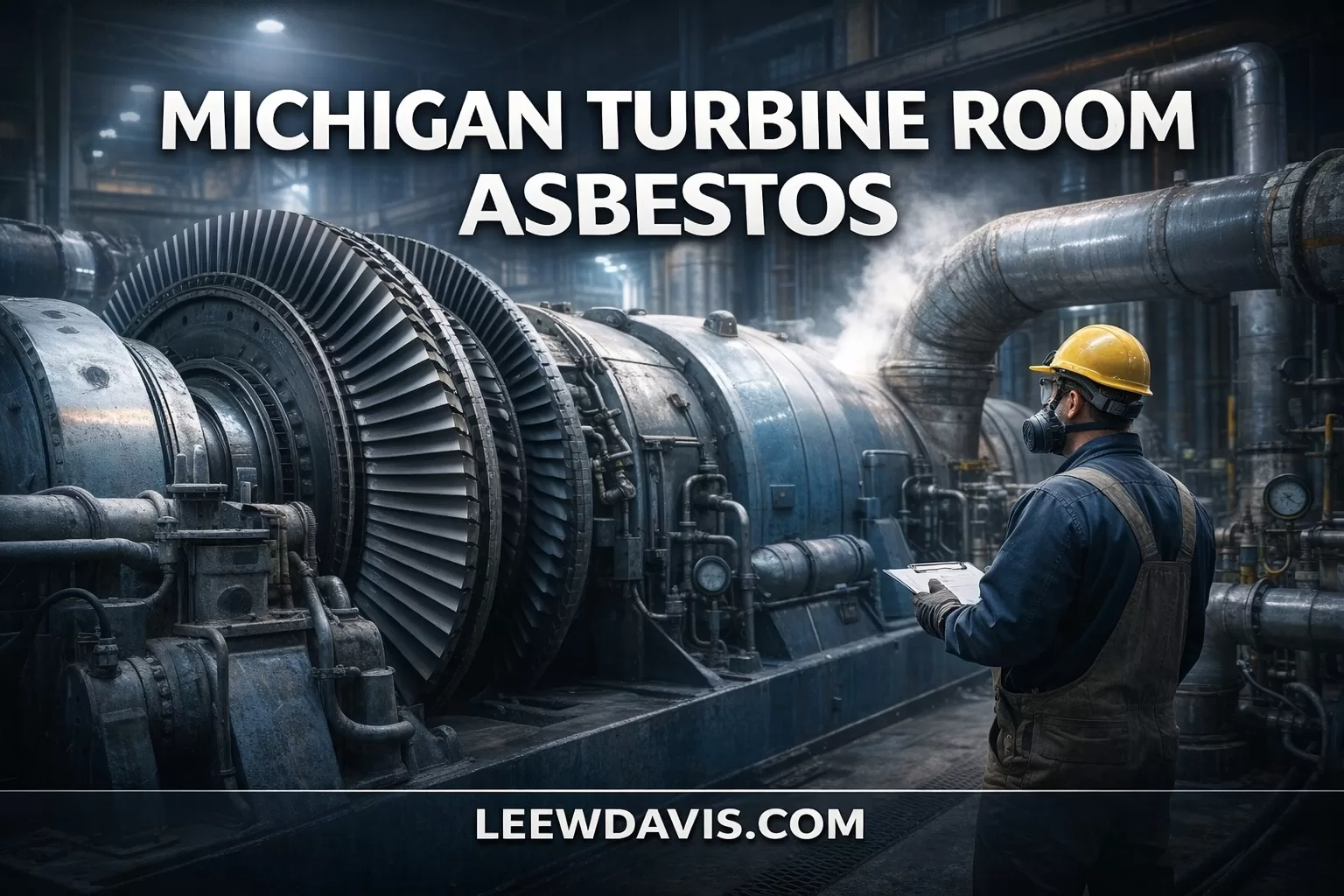
Michigan Turbine Room Asbestos: What Workers Need to Know

Michigan Turbine Room Asbestos

Michigan Turbine Room Asbestos exposure affected workers across power plants, auto plants, steel facilities, and industrial energy systems throughout the state. Turbine rooms were some of the highest-risk environments because asbestos was used heavily around high-heat machinery, steam lines, insulation, pumps, valves, and electrical systems. For decades, Michigan workers were never warned about these hazards, and many only learned of their exposure after developing serious illnesses years later.

Mesothelioma/Asbestos Legal Help – WV, MI & PA

Speak directly with attorney Lee W. Davis. No call centers. Free, confidential review.
Why Michigan Turbine Rooms Contained Asbestos

In Michigan’s industrial facilities, turbine rooms operated at extreme temperatures and pressures. Asbestos was used because it resisted heat, fire, and mechanical stress. Common asbestos-containing components in turbine rooms included:

  • Turbine insulation blankets
  • Steam and hot-water pipe insulation
  • Gaskets and packing inside pumps and valves
  • Asbestos millboard, block, and refractory
  • Control panel insulation and electrical barriers
  • Turbine housings, casings, and bearing seals

When workers performed maintenance, overhauls, rebuilds, or troubleshooting, these materials were cut, scraped, or removed—releasing asbestos fibers into the air.

Where Michigan Turbine Room Asbestos Exposure Occurred

Michigan power and industrial facilities with turbine rooms included:

  • Detroit Edison and DTE Energy generating stations
  • GM and Ford powerhouses for auto plants
  • Steel mill turbine rooms in Dearborn and River Rouge
  • Chemical plant turbine systems in Midland, Wyandotte, and Holland
  • Municipal power and steam plants across the state

Workers often entered these areas daily, especially during maintenance outages or turbine rebuilds.

👉 Search asbestos Job Sites in Michigan


Which Workers Faced the Highest Risk?

The trades most likely to encounter Michigan Turbine Room Asbestos exposure included:

Even those not directly removing insulation—such as laborers or supervisors walking through turbine rooms—could inhale airborne fibers.

Diseases Associated With Turbine Room Exposure

Asbestos exposure in turbine rooms has been linked to:

These diseases may appear decades after the original workplace exposure.

Legal Options for Michigan Turbine Room Asbestos Cases

Workers or family members diagnosed after Michigan Turbine Room Asbestos exposure may be eligible for:

  • Claims against turbine, gasket, and insulation manufacturers
  • Asbestos trust fund compensation
  • Lawsuits for occupational exposure
  • Settlements for jobsite-specific asbestos exposure

These cases are still viable even if plants have closed or turbine records no longer exist.

Free Michigan Case Evaluation

If you or a loved one suffered Michigan Turbine Room Asbestos exposure and later developed mesothelioma or lung cancer, you may qualify for significant compensation.

Call 412-781-0525 for a free consultation.

Check If Your Family Was Exposed

Get your free guide instantly + a confidential case review.

🔒 100% Confidential. No obligations.

No fee unless compensation is recovered.

Mesothelioma/Asbestos Legal Help – WV, MI & PA

Speak directly with attorney Lee W. Davis. No call centers. Free, confidential review.
West Virginia Compressor Asbestos: What Workers Need to Know

West Virginia Compressor Asbestos

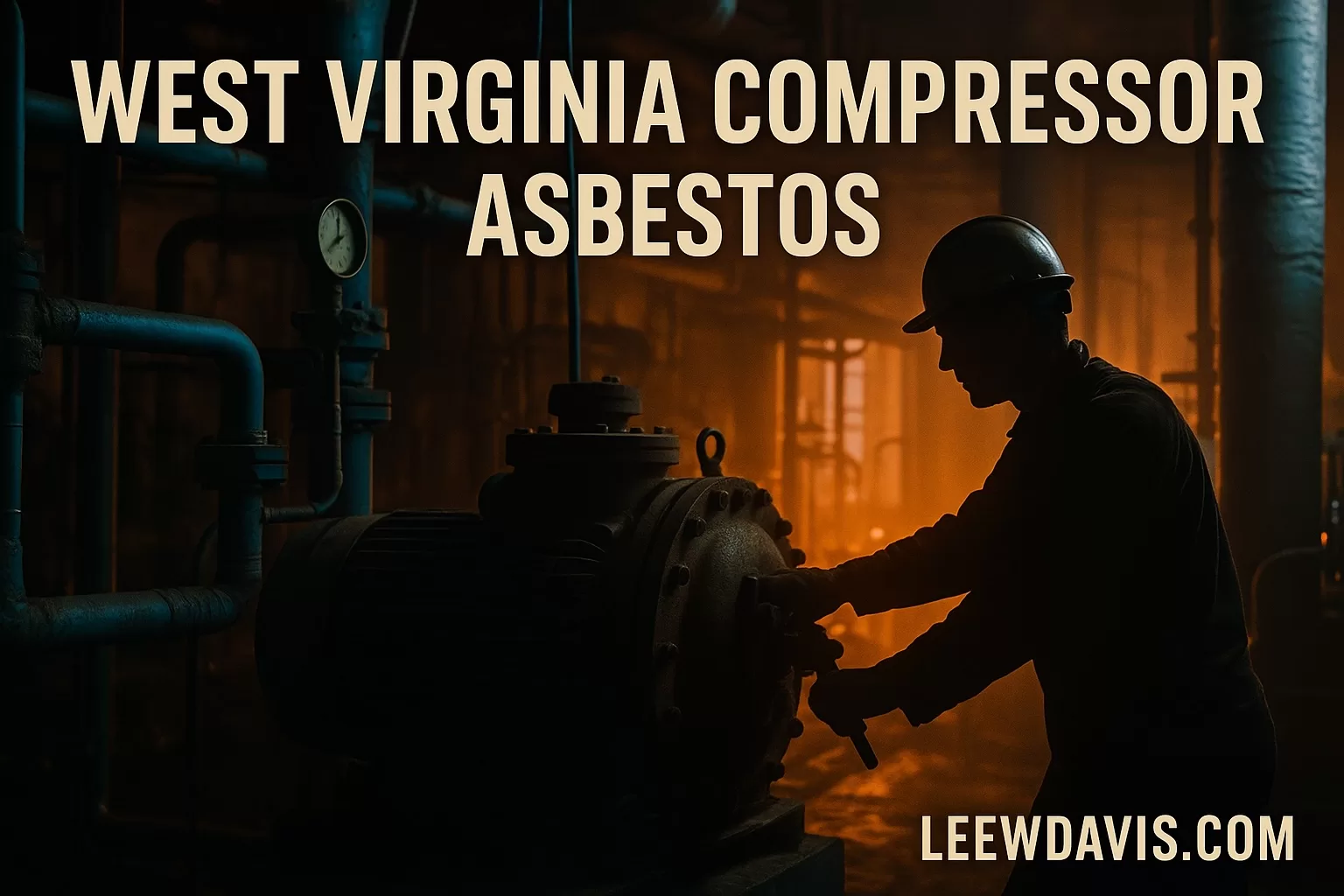
West Virginia Compressor Asbestos exposure affected workers across chemical plants, power stations, manufacturing sites, and machine rooms throughout the state. Compressors—whether used for air, gas, steam, or industrial processes—contained asbestos insulation, gaskets, and packing that released fibers during maintenance, repair, and routine operation. Many workers were never warned about the risks, leaving them vulnerable to illnesses decades later.

Mesothelioma/Asbestos Legal Help – WV, MI & PA

Speak directly with attorney Lee W. Davis. No call centers. Free, confidential review.
Where West Virginia Compressor Asbestos Exposure Occurred

In West Virginia, compressors were found in nearly every major industrial facility, including:

  • Chemical plants along the Kanawha River
  • Coal-fired and gas-fired power plants
  • Steel mills and manufacturing buildings
  • Pipelines, compressor stations, and pump houses
  • Machine shops supporting refinery and plant operations

Asbestos was used widely because it resisted heat and prevented equipment failure. Unfortunately, this meant workers servicing compressors were repeatedly exposed to airborne fibers.

👉 Search Asbestos Job Sites in Michigan

How Compressors Released Asbestos Fibers

Compressors contained multiple asbestos components that deteriorated over time. Common exposure points included:

  • Asbestos gaskets sealing compressor flanges
  • Packing materials in pump and compressor shafts
  • Insulation wrapped around compressor housings and steam lines
  • Brake linings and friction materials in older equipment
  • Exhaust and valve components made with asbestos composites

Workers often scraped, cut, ground, or removed these materials in confined areas, generating visible dust. Even nearby crew members—mechanics, millwrights, pipefitters, operators, and laborers—could inhale fibers without directly touching the equipment.


Who Was Most at Risk?

The highest exposure levels occurred among:

These trades frequently handled asbestos gaskets and packing while working in tight mechanical rooms where dust accumulated.

Diseases Linked to West Virginia Compressor Asbestos

Exposure to asbestos used in compressors has been linked primarily to:

Both conditions may appear decades after the original workplace exposure.

Legal Options for Affected WV Workers

Workers diagnosed after Asbestos exposure may qualify for:

  • Claims against asbestos product manufacturers
  • Asbestos trust fund compensation
  • Settlement claims for occupational exposure
  • Legal actions identifying responsibility for compressor-related exposure

These cases can succeed even when equipment records are old or incomplete because experienced attorneys know which manufacturers supplied asbestos components throughout West Virginia industry.

Free Consultation for WV Compressor Exposure Cases

If you or a family member was exposed through West Virginia Compressor Asbestos work and later diagnosed with mesothelioma or lung cancer, you may be entitled to compensation.

Call 412-781-0525 for a free, confidential case review.

Mesothelioma/Asbestos Legal Help – WV, MI & PA

Speak directly with attorney Lee W. Davis. No call centers. Free, confidential review.
No fee unless compensation is recovered.

FAQs – West Virginia Compressor Asbestos

1. What is Compressor Asbestos exposure?

West Virginia Compressor Asbestos exposure refers to asbestos fibers released from gaskets, packing, insulation, and other components used in compressors at power plants, chemical plants, and industrial facilities. Workers inhaled these fibers during maintenance, repairs, and routine operation.


2. Which workers were most affected by Compressor Asbestos?

Compressor mechanics, millwrights, pipefitters, operators, laborers, and maintenance workers often faced the highest exposure because they regularly handled asbestos gaskets and packing in confined mechanical rooms where dust accumulated.


3. What diseases are linked to Compressor Asbestos exposure?

Exposure related to compressors has been linked to mesothelioma and lung cancer. These diseases often appear decades after the original exposure.


4. Can take-home exposure occur from Compressor Asbestos?

Yes. Take-home exposure occurred when workers brought asbestos fibers home on their clothing, boots, or tools. Family members who washed work clothes or lived in the same household may have inhaled fibers and later developed asbestos-related diseases.


5. Can I file a claim if the compressor equipment was removed years ago?

Yes. Claims remain viable even if the plant or compressor system was replaced or demolished. Exposure sources can still be traced through equipment records, product identification, and knowledge of which manufacturers supplied asbestos components in West Virginia.


6. How can a lawyer help with a Compressor Asbestos case?

An experienced asbestos attorney can identify compressor manufacturers, obtain product records, file trust fund claims, and pursue compensation for workers and families exposed to asbestos in WV industrial environments

West Virginia Forge Asbestos Exposure: What Workers Need to Know

West Virginia Forge Asbestos

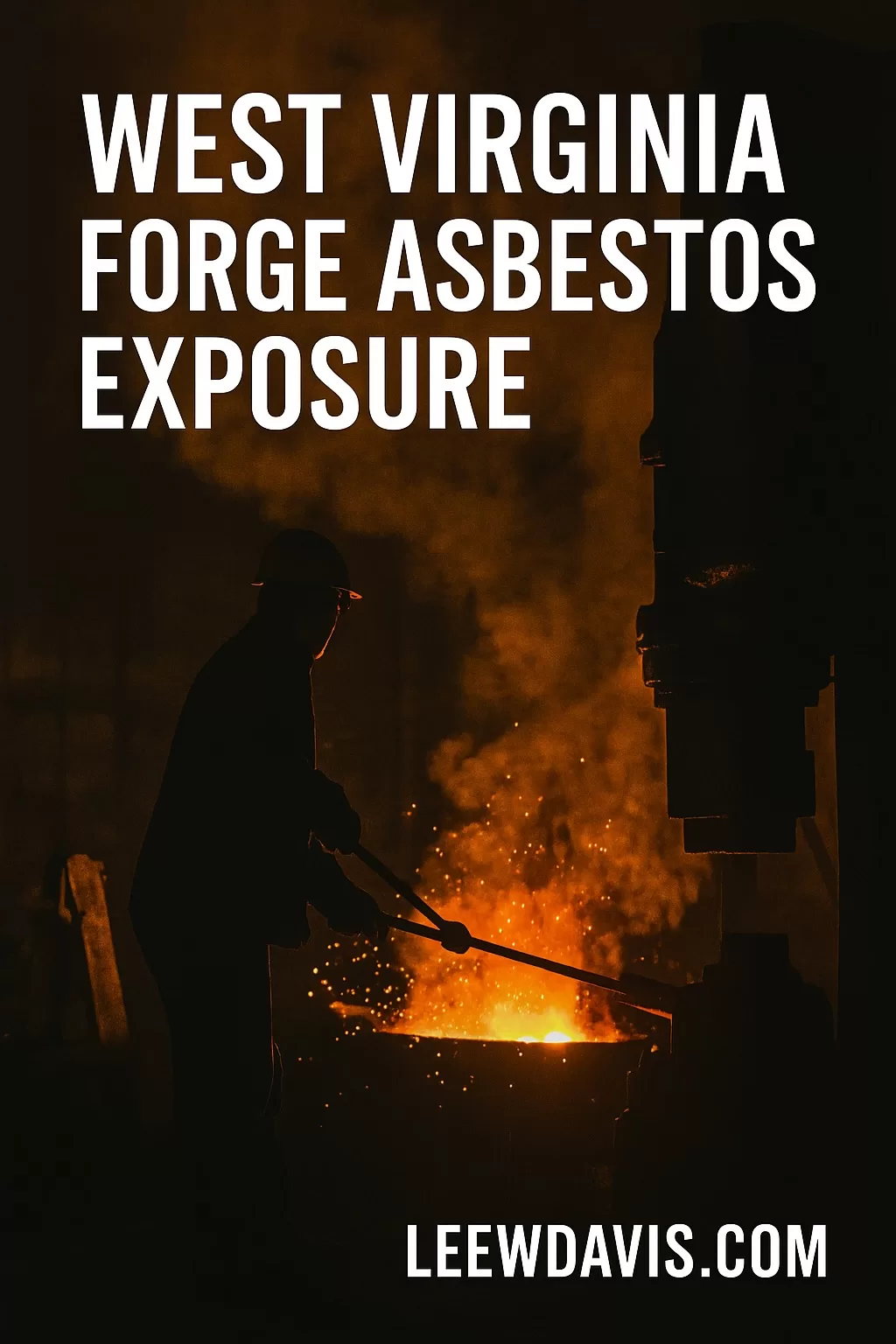
West Virginia Forge Asbestos exposure has affected generations of workers employed in steel mills, machine shops, rail yards, chemical plants, and powerhouses throughout the state. Forging operations used extreme heat, heavy pressure, and asbestos-containing insulation to protect equipment and workers from fire risk. Unfortunately, this meant welders, blacksmiths, toolmakers, crankshaft forgers, and maintenance crews faced high levels of airborne asbestos fibers—often without proper warnings.

Mesothelioma/Asbestos Legal Help – WV, MI & PA

Speak directly with attorney Lee W. Davis. No call centers. Free, confidential review.

Understanding West Virginia Forge Asbestos Risks

At forges across West Virginia, asbestos was commonly found in protective gloves, aprons, furnace insulation, hoods, refractory bricks, gaskets, steam lines, and brake pads used on hammer and press assemblies. When these materials wore down, cracked, or were replaced, they released microscopic asbestos fibers into the air. Anyone working nearby—whether directly operating the forge or simply doing maintenance—could inhale the dust.

Forge workers often used grinders, wire wheels, and chisels to shape or remove parts, causing even more disturbance of asbestos components. Many of these tasks took place indoors with limited ventilation, increasing the likelihood of exposure.

Where Exposure Often Occurred in West Virginia

Forges operated inside or alongside major industrial facilities, including:

  • Steel mills in Weirton, Wheeling, and Follansbee
  • Machine shops supporting chemical plants in the Kanawha Valley
  • Power plant turbine rooms requiring forged parts and repairs
  • Railcar repair facilities that used forged components
  • Energy and manufacturing shops using drop hammers and presses

In many cases, workers were not informed that asbestos was present, and older records confirming product use were lost or destroyed. This makes it essential to work with an attorney who understands West Virginia’s industrial history and can identify the products and suppliers responsible.

👉 Search Asbestos Job Sites in West Virginia


Health Conditions Linked to Forge Asbestos Exposure

Forge workers and nearby trades may develop:

Symptoms often appear decades after the original exposure, which is why former workers—retired or still employed—should get evaluated if they experience shortness of breath, chest pain, or persistent cough.

Legal Options for West Virginia Forge Workers

If you or a family member has been diagnosed with an asbestos-related disease, you may be entitled to:

  • Compensation from asbestos trust funds
  • Lawsuits against manufacturers of forge equipment or asbestos products
  • Settlements for occupational exposure in WV plants and mills

As a West Virginia asbestos lawyer with decades of experience, I can help identify where exposure occurred, determine which companies or products are responsible, and pursue the compensation your family deserves.

Get a Free Case Review

If you believe you suffered West Virginia Forge Asbestos exposure, contact the Law Offices of Lee W. Davis, Esquire, P.L.L.C. today. Call 412-781-0525 for a free consultation. You pay nothing unless compensation is recovered.

Check If Your Family Was Exposed

Get your free guide instantly + a confidential case review.

🔒 100% Confidential. No obligations.

FAQs – West Virginia Forge Asbestos

1. What is West Virginia Forge Asbestos exposure?

West Virginia Forge Asbestos exposure refers to contact with asbestos-containing insulation, gaskets, refractory materials, and protective gear used around forges, hammers, and presses inside mills, plants, and machine shops throughout the state. When these materials were disturbed, fibers became airborne and workers inhaled them.

2. Which workers were most affected by West Virginia Forge Asbestos?

Blacksmiths, welders, machinists, hammer operators, millwrights, maintenance crews, and anyone working near furnaces or forging equipment faced some of the highest asbestos exposure levels due to heat-resistant materials used throughout forge operations.

3. What diseases are linked to West Virginia Forge Asbestos exposure?

Exposure to asbestos in forge environments has been linked primarily to mesothelioma and lung cancer. These diseases can appear decades after the original workplace exposure.

4. Can I file a claim for West Virginia Forge Asbestos exposure if the forge closed years ago?

Yes. Even if the forge shut down decades ago, claims can still be pursued. Records, product identification, and industry knowledge help trace responsibility to equipment manufacturers and asbestos product suppliers.

5. How can a lawyer help with a West Virginia Forge Asbestos case?

An experienced asbestos attorney can identify exposure sources, locate responsible companies, file trust fund claims, and pursue compensation for workers and families affected by asbestos exposure in West Virginia forge environments.

Mesothelioma/Asbestos Legal Help – WV, MI & PA

Speak directly with attorney Lee W. Davis. No call centers. Free, confidential review.

West Virginia Kiln Asbestos – Industrial Exposure and Legal Help

West Virginia Kiln Asbestos

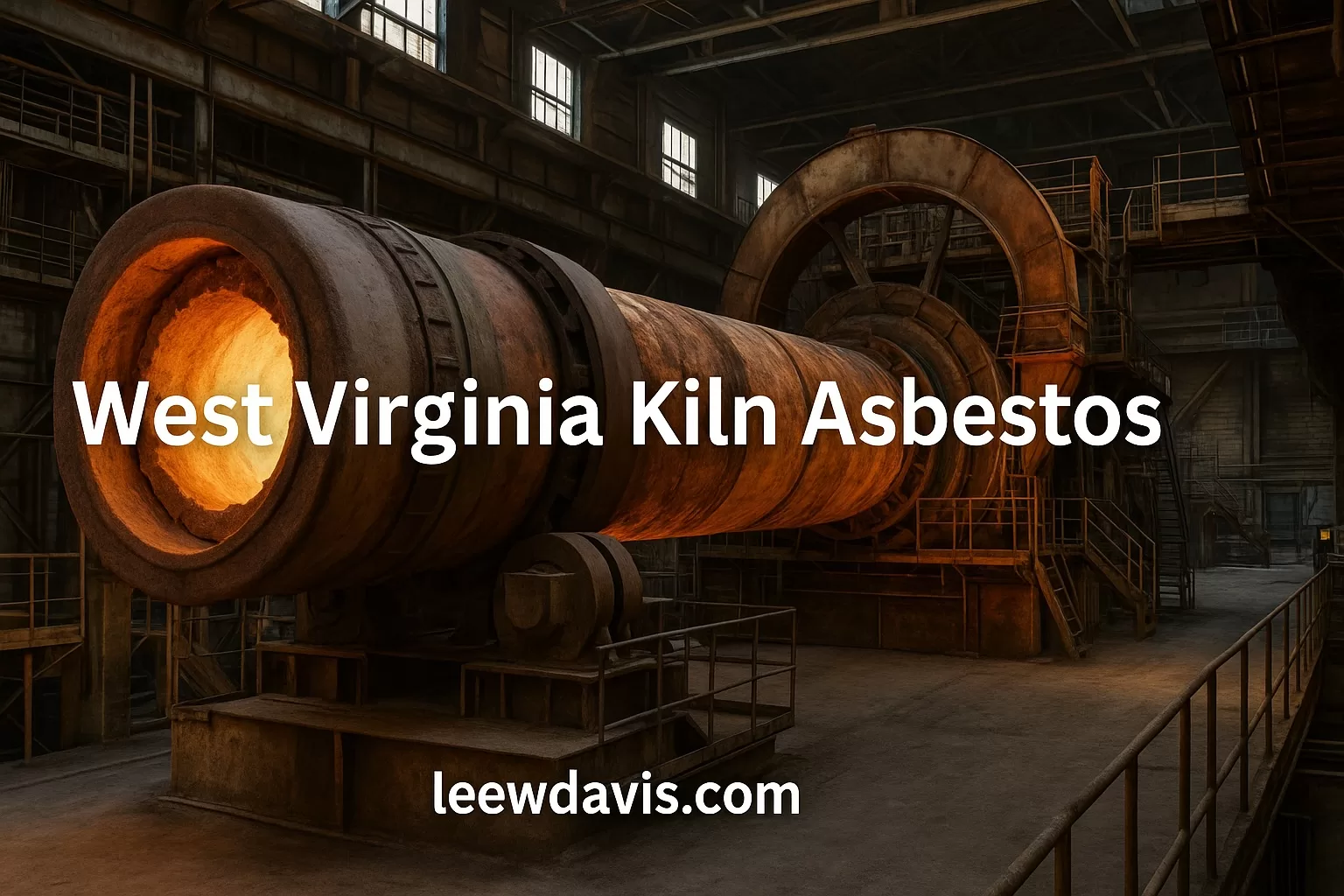
West Virginia Kiln Asbestos exposure affected workers across steel mills, chemical plants, refractory shops, ceramics operations, aluminum facilities, and power-generating stations throughout the state. For decades, kilns and the high-heat systems that supported them were lined with asbestos-based refractory materials. These included firebrick, cement, mortar, rope, block, and insulation products designed to withstand extreme temperatures. As these materials deteriorated or were removed during repairs, airborne fibers exposed workers to serious long-term health risks, including mesothelioma and lung cancer.

Mesothelioma/Asbestos Legal Help – WV, MI & PA

Speak directly with attorney Lee W. Davis. No call centers. Free, confidential review.

Why West Virginia Kiln Asbestos Exposure Was So Widespread

Kilns are used to heat, cure, melt, or chemically transform materials. In West Virginia, they were essential across multiple industries:

  • Steel mills and foundries used kilns and furnaces for heat treating and casting operations.
  • Glass and ceramics plants relied on high-temperature kilns lined with asbestos refractory brick.
  • Chemical manufacturers used kilns for material processing and drying.
  • Power plants used kiln-like refractory-lined structures within boiler systems.
  • Refractory contractors frequently installed and removed asbestos products statewide.

Asbestos-containing refractory brick and mortars were favored because they resisted cracking at 2,000+ degrees. Workers removing old refractory linings often used hammers, air chisels, or grinders—releasing heavy concentrations of asbestos dust.

👉 Search Asbestos Job Sites in West Virginia

Industries Most Impacted by West Virginia Kiln Asbestos

While exposure occurred throughout the state, the highest-risk zones included:

Workers rarely received respiratory protection or warnings about asbestos hazards, despite the extreme dust created during refractory demolition.

Diseases Linked to Kiln-Related Asbestos Exposure

Because kiln work involved intense fiber release, diagnosed illnesses include:

These conditions often appear decades after exposure, which is why many former WV industrial workers are being diagnosed today.

Legal Options for West Virginia Kiln Asbestos Victims

Workers may qualify for:

  • Asbestos trust fund claims
  • Lawsuits against asbestos refractory manufacturers
  • Wrongful death compensation for families
  • Settlements for mesothelioma and lung cancer

Attorney Lee W. Davis has handled asbestos exposure cases since 1988, including claims involving refractory brick, asbestos mortar, high-heat furnace systems, and kiln operations across West Virginia.

Call for Legal Help Today

If you or a loved one worked with kilns or refractory systems in West Virginia and later developed an asbestos-related disease, legal help is available.

📞 Call (412) 781-0525 for a free consultation.

Check If Your Family Was Exposed

Get your free guide instantly + a confidential case review.

🔒 100% Confidential. No obligations.


FAQs – West Virginia Kiln Asbestos

1. Why were kilns lined with asbestos in West Virginia?

Asbestos was used because it resisted extreme heat and provided structural stability. Nearly every kiln or furnace system before the 1990s contained asbestos refractory materials.

2. Do contractors who serviced kilns qualify for asbestos claims?

Yes. Refractory contractors, bricklayers, laborers, and maintenance crews faced some of the highest exposures.

3. What companies produced asbestos refractory products?

Manufacturers included Harbison-Walker, A.P. Green, Johns-Manville, and multiple refractory suppliers used commonly throughout WV industries.

4. Can kiln workers file claims even if the plant has closed?

Yes. Many responsible manufacturers entered bankruptcy and created trust funds that still compensate valid claims today.

Mesothelioma/Asbestos Legal Help – WV, MI & PA

Speak directly with attorney Lee W. Davis. No call centers. Free, confidential review.

Michigan Refinery Asbestos Exposure – Legal Help for Refinery Workers

michigan refinery asbestos exposure

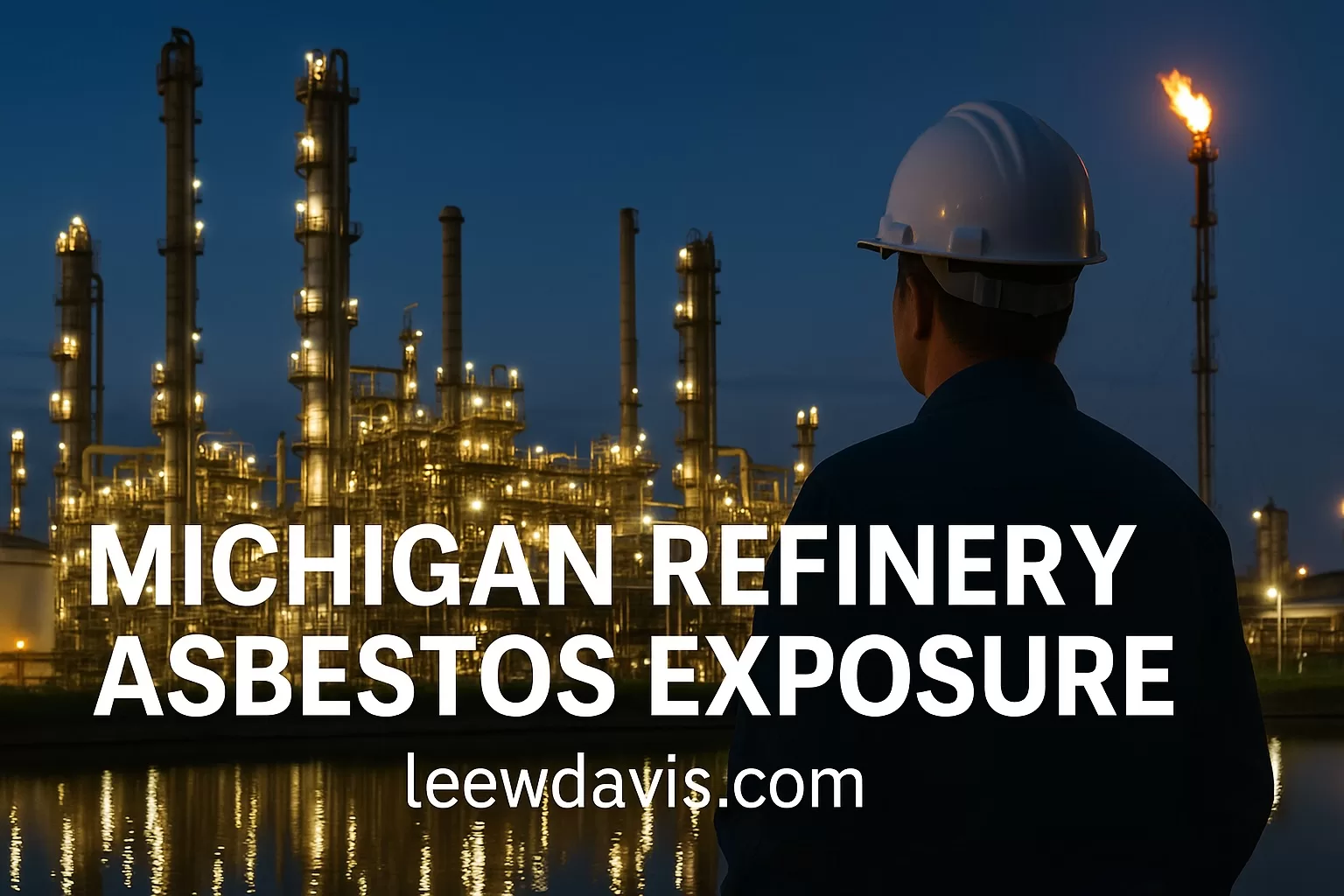
Michigan Refinery Asbestos Exposure has impacted thousands of workers across the state’s petroleum processing, chemical refining, and fuel distribution facilities. For decades, refineries in Detroit, Dearborn, River Rouge, and along the industrial corridors of Southeast Michigan relied heavily on asbestos-containing insulation, pipe covering, gaskets, packing, cement, and heat-resistant materials. These products were used on pipelines, boilers, reactors, compressors, distillation towers, and other high-temperature equipment. As a result, many refinery employees were never warned of the danger—and today face diagnoses of mesothelioma, lung cancer, and other asbestos-related diseases.

Mesothelioma/Asbestos Legal Help – WV, MI & PA

Speak directly with attorney Lee W. Davis. No call centers. Free, confidential review.

How Michigan Refinery Asbestos Exposure Occurred

Workers in refineries were especially vulnerable because asbestos was used for nearly every process involving heat or pressure. High-risk exposure pathways included:

  • Insulation removal and replacement during shutdowns or turnarounds
  • Gasket and flange work on pipelines and pump systems
  • Maintenance on boilers, turbines, and furnaces lined with asbestos materials
  • Repairs on distillation columns and cracking units that contained asbestos wraps and blocks
  • Grinding, cutting, or scraping old asbestos insulation during routine maintenance
  • Contractor and specialty workers brought in for outages or upgrades who disturbed asbestos without proper PPE

Michigan’s largest refineries—including Marathon Detroit, the former Total and Gulf facilities, and multiple distribution terminals—used asbestos products consistently through the 1980s.

👉Asbestos Job Sites in Michigan

Health Risks from Michigan Refinery Asbestos Exposure

Refinery workers face among the highest asbestos disease rates due to the intensity of industrial exposure. Diseases linked to refinery asbestos include:

Most diagnoses occur 30 to 50 years after exposure, meaning today’s Michigan cases often trace back to refinery work performed in the 1960s through the 1990s.

Why an Attorney Matters for Refinery Exposure Cases

Asbestos cases involving Michigan refineries require knowledge of:

  • The specific asbestos-containing products used in refinery operations
  • The contractors, insulation companies, and equipment manufacturers responsible
  • Historic refinery layouts and job assignments
  • How to file claims through asbestos trust funds and litigation

Attorney Lee W. Davis has decades of experience handling complex industrial asbestos cases across Michigan, including representing workers from auto plants, foundries, steel mills, and petroleum refining operations. His background working on thousands of GM Saginaw foundry cases (1996–1999) strengthens the foundation of Michigan-based industrial exposure claims.

Compensation for Michigan Refinery Asbestos Exposure

Workers may qualify for:

  • Payment from asbestos bankruptcy trust funds
  • Claims against equipment or insulation manufacturers
  • Wrongful death compensation for families
  • Settlements for mesothelioma and lung cancer

Even if a refinery changed ownership, merged, or shut down, claims are still possible.

Free Michigan Consultation

If you or a loved one worked in a Michigan refinery and later developed mesothelioma or lung cancer, legal help is available.

📞 Call (412) 781-0525

Free, confidential consultation.

Check If Your Family Was Exposed

Get your free guide instantly + a confidential case review.

🔒 100% Confidential. No obligations.


FAQs – Michigan Refinery Asbestos Exposure

1. Which Michigan refineries used asbestos?

Facilities in Detroit, Dearborn, River Rouge, and other industrial hubs used asbestos insulation, gaskets, pipe covering, and heat-resistant materials well into the 1980s.

2. Does a refinery worker need to know which asbestos products they used?

No. An experienced attorney can identify likely product manufacturers based on the era, unit, job duty, and refinery structure.

3. Can refinery contractors file asbestos claims?

Yes. Pipefitters, insulators, boilermakers, mechanics, and other contractors often faced the same or greater exposure during outages and turnaround work.

4. Are claims still possible if the refinery has closed or changed ownership?

Yes. Many responsible companies established asbestos trust funds that still pay valid claims today.

Mesothelioma/Asbestos Legal Help – WV, MI & PA

Speak directly with attorney Lee W. Davis. No call centers. Free, confidential review.

WV Gas Worker Asbestos – Legal Help for Exposure in West Virginia’s Gas Industry

wv gas worker asbestos

WV Gas Worker Asbestos exposure remains a serious concern for workers who served in gas plants, compressor stations, pipeline networks, and maintenance operations throughout West Virginia. For decades, asbestos-containing insulation, pipe wrap, gaskets, packing, cement, and refractory materials were standard across the natural gas sector. Many workers now face mesothelioma, lung cancer, and other asbestos diseases because they were never warned of the dangers. This article explains how gas-industry asbestos exposure occurred, why these workers are at elevated risk, and what legal options are available today.

Mesothelioma/Asbestos Legal Help – WV, MI & PA

Speak directly with attorney Lee W. Davis. No call centers. Free, confidential review.

How WV Gas Worker Asbestos Exposure Occurred

As the natural gas industry expanded across West Virginia, thousands of employees performed demanding work in high-heat, high-pressure environments. These job sites frequently used asbestos because it was heat-resistant, durable, and inexpensive. Common exposure points included:

  • Compressor stations where turbines, boilers, and pumps operated with asbestos insulation
  • Gas plants where maintenance crews handled gaskets, valves, flanges, pipe wrap, and block insulation
  • Transmission and pipeline systems requiring frequent cutting, grinding, or replacement of asbestos components
  • Metering and regulating facilities using asbestos-containing packing and sealing materials
  • Contractor and subcontractor work crews who disturbed asbestos during upgrades, repairs, and outages

In many cases, workers were never given respirators or warnings despite direct exposure to dust and fibers during routine tasks.

WV Gas Worker Asbestos Health Risks

Asbestos exposure in gas plants and pipeline stations creates long-term risk for:

These diseases often appear 30 to 50 years after exposure, meaning today’s diagnoses frequently trace back to gas-industry work performed in the 1960s–1990s.


Why Choosing a WV Gas Worker Asbestos Lawyer Matters

An attorney familiar with West Virginia’s industrial layout, union trades, contractor relationships, and historic jobsite conditions can reconstruct exposure history and identify responsible companies. Many suppliers, contractors, and equipment manufacturers have bankruptcy trust funds that still pay claims today.

👉 Search Asbestos Job Sites in West Virginia

Attorney Lee W. Davis has handled asbestos exposure cases since 1988, representing workers across the Ohio Valley and throughout West Virginia’s gas, chemical, and power industries. His experience includes complex exposure reconstruction for pipeline crews, compressor-station operators, gas-plant maintenance teams, and multi-site contractors.

Compensation Available for WV Gas Worker Asbestos Claims

Gas industry workers may be eligible for:

  • Asbestos trust fund claims
  • Lawsuits against solvent manufacturers
  • Wrongful death claims
  • Medical and financial compensation for mesothelioma and lung cancer

Each case is different, but workers can often pursue claims even if the company they worked for has merged, dissolved, or filed bankruptcy.

Call for Help – Free Consultation

If you or a loved one worked in West Virginia’s gas industry and later developed mesothelioma, lung cancer, or another asbestos disease, legal help is available.

📞 Call (412) 781-0525 for a free consultation today.

Check If Your Family Was Exposed

Get your free guide instantly + a confidential case review.

🔒 100% Confidential. No obligations.

FAQs – WV Gas Worker Asbestos

1. How were gas workers exposed to asbestos in West Virginia?

Exposure occurred through insulation, gaskets, pipe wrap, cement, turbines, boilers, and other equipment that used asbestos-containing materials.

2. Can pipeline workers file asbestos claims?

Yes. Pipeline and transmission crews often encountered asbestos during maintenance or repair work.

3. Do I need to know the exact brand of asbestos materials used?

No. An experienced asbestos lawyer can identify products used during specific time periods and job types.

4. What if the gas company or contractor is bankrupt?

Many responsible companies funded asbestos trusts that still pay claims today.

5. Can family members file a claim for take-home asbestos exposure from a gas worker?

Yes. If a WV gas worker brought asbestos fibers home on their clothing, tools, boots, or vehicle, family members who inhaled that dust may develop mesothelioma or other asbestos diseases. These “take-home” exposure cases are recognized under West Virginia law, and eligible family members can file claims or pursue compensation through asbestos trust funds or litigation.

Mesothelioma/Asbestos Legal Help – WV, MI & PA

Speak directly with attorney Lee W. Davis. No call centers. Free, confidential review.

Greensburg Asbestos Lawyer PA – Local Help for Asbestos Claims

Greensburg Asbestos Lawyer PA

Greensburg Asbestos Lawyer PA representation is essential for workers and families affected by asbestos exposure in Westmoreland County. Greensburg’s industrial history—including manufacturing facilities, rail operations, chemical works, and construction trades—means many residents unknowingly encountered asbestos at job sites decades ago. When mesothelioma and asbestos related lung cancer develops, the law allows victims to pursue compensation for medical bills, lost income, and pain and suffering. This article explains how claims work, which job sites near Greensburg present the greatest exposure risks, and how an attorney with decades of asbestos litigation experience can help.

Mesothelioma/Asbestos Legal Help – WV, MI & PA

Speak directly with attorney Lee W. Davis. No call centers. Free, confidential review.

Why Choose a Greensburg Asbestos Lawyer PA?

Choosing a Greensburg Asbestos Lawyer PA gives you the advantage of local knowledge. Westmoreland County workers historically traveled to mills, power stations, machine shops, and construction sites throughout the region. Tradesmen such as pipefitters, electricians, boiler workers, laborers, and maintenance crews often handled or worked around asbestos insulation, gaskets, cement, brake products, and thermal materials. Many of these products were manufactured or installed well into the 1980s.

National firms may advertise heavily, but they often lack first-hand familiarity with local work practices, unions, contractors, and historic job sites. A local Pennsylvania-licensed lawyer provides tailored service, understands local courts, and recognizes the specific exposure pathways common to Greensburg and surrounding towns like Jeannette, Latrobe, Youngwood, Irwin, and New Kensington.

Common Asbestos Exposure Sites Near Greensburg

Although exposure occurred at hundreds of job sites across the region, several locations frequently appear in asbestos work histories:

  • Power plants using asbestos insulation on turbines, boilers, and piping
  • Steel and metal fabrication facilities in Westmoreland County
  • Chemical processing facilities along the industrial corridor
  • Railroad repair shops and roundhouses
  • Commercial construction sites and schools built before the 1980s

Workers sometimes brought asbestos dust home on clothing, creating secondary household exposure—though Pennsylvania treats these claims differently depending on era and employer relationship.


How a Greensburg Asbestos Lawyer PA Helps Your Case

An experienced asbestos attorney gathers exposure evidence, identifies responsible companies, and files claims through courts or asbestos bankruptcy trusts. The right lawyer understands:

  • Local job site layouts and trade practices
  • Which products were used during which time periods
  • How to pursue claims even when companies have merged or gone bankrupt
  • How to value Westmoreland County cases based on decades of results

Attorney Lee W. Davis has handled asbestos claims since 1988 and has represented thousands of workers across Pennsylvania, West Virginia, and Michigan. His background includes major steel and manufacturing exposure litigation as well as power-plant and chemical-plant claims.

Call for Help Today

If you or a loved one has been diagnosed with mesothelioma, lung cancer, or another asbestos-related disease, legal help is available. Call (412) 781-0525 for a free consultation.

Check If Your Family Was Exposed

Get your free guide instantly + a confidential case review.

🔒 100% Confidential. No obligations.

FAQs – Greensburg Asbestos Lawyer PA

1. What compensation is available for Greensburg asbestos claims?

Compensation may include payments for medical expenses, lost wages, wrongful death damages, and settlements from asbestos trust funds.

2. How long do I have to file an asbestos lawsuit in Pennsylvania?

Pennsylvania generally requires filing within two years of diagnosis. A lawyer can help calculate deadlines and preserve your rights.

3. Can I file a claim if the company responsible is bankrupt?

Yes. Many companies created asbestos trust funds that still pay valid claims even decades after shutting down or filing bankruptcy.

4. Do I need to know exactly where I was exposed?

No. An experienced asbestos attorney can help reconstruct your exposure history using job records, product identification, and prior case data.

Mesothelioma/Asbestos Legal Help – WV, MI & PA

Speak directly with attorney Lee W. Davis. No call centers. Free, confidential review.