Western Pennsylvania Boilermaker Asbestos

Western Pennsylvania Boilermaker Asbestos

Western Pennsylvania Boilermaker Asbestos exposure has been a major cause of serious illness among boilermakers who spent decades working in the region’s steel mills, powerhouses, fabrication shops, refineries, and industrial plants. For years, boilermakers were required to install, repair, weld, and remove equipment that contained asbestos—often without being told the material was dangerous. Today, many former workers across Western Pennsylvania are being diagnosed with mesothelioma, lung cancer, asbestosis, or other asbestos-related diseases that were entirely preventable.

Mesothelioma/Asbestos Legal Help – WV, MI & PA

Speak directly with attorney Lee W. Davis. No call centers. Free, confidential review.
As someone who has handled thousands of industrial asbestos cases since 1988, I know how these exposures happened and how companies covered up the risks. Boilermakers were among the highest-risk trades because asbestos was everywhere: boiler walls, insulation blankets, refractory materials, gaskets, valves, pumps, turbines, and structural steel components. Cutting, grinding, welding, and chipping these materials sent asbestos fibers into the air all day long.

If you worked as a boilermaker anywhere in Western Pennsylvania—including at steel mills, J&L, U.S. Steel, coal-fired power stations, chemical plants, iron works, compressor stations, fabrication shops, or any major industrial facility—you may have been exposed without knowing it. Many job sites supplied asbestos-containing products straight through the 1980s, long after manufacturers understood the dangers.

👉 Search Asbestos Job Sites in Western Pennsylvania

Why Boilermakers Face Higher Risk

Boilermakers often performed tasks that created extreme dust:

  • removing and replacing boiler insulation
  • welding and burning through asbestos-coated pipes
  • hammering out refractory brick
  • fitting gaskets and packing
  • installing or tearing down high-heat industrial equipment

This wasn’t occasional exposure—it was daily, heavy, concentrated, and unavoidable. No respirators. No warnings. No protection.

Legal Options for Boilermakers in Western Pennsylvania

If you are a former boilermaker who has been diagnosed with mesothelioma, lung cancer, or another asbestos disease, you may qualify for:

  • settlements against product manufacturers
  • claims through active asbestos bankruptcy trusts
  • Pennsylvania court claims against solvent companies
  • accelerated legal options for mesothelioma cases
  • financial support for families

Most boilermakers qualify even if:

  • you smoked
  • you are retired
  • the plant closed decades ago
  • you don’t remember specific product names

I have handled thousands of cases just like yours. The key is matching your work history to the asbestos products used at your job sites—something I’ve been doing for nearly 40 years across the steel and power industries.

Free Consultation

If you or a family member experienced Western Pennsylvania Boilermaker Asbestos exposure and have been diagnosed with mesothelioma, lung cancer, or another asbestos-related illness, you are not alone. I’ve represented boilermakers since starting as a paralegal1988, and I know the job sites, the products, and the companies responsible.

Call me today at 412-781-0525 or visit leewdavis.com for a free, no-obligation consultation.

Check If Your Family Was Exposed

Get your free guide instantly + a confidential case review.

🔒 100% Confidential. No obligations.

FAQs – Western Pennsylvania Boilermaker Asbestos

1. How were boilermakers exposed to asbestos in Western Pennsylvania?

Boilermakers worked directly with asbestos-containing insulation, refractory materials, gaskets, packing, and high-heat equipment. Tasks like burning, welding, and tearing out boiler components created heavy airborne dust, leading to Western Pennsylvania Boilermaker Asbestos exposure on nearly every job.

2. Do boilermakers qualify for compensation even if job sites closed years ago?

Yes. Many Western Pennsylvania job sites—steel mills, power plants, chemical plants, fabrication shops, and refineries—closed decades ago, but the product manufacturers and asbestos trust funds responsible for the exposures still exist. Your claim is based on your work history, not whether a plant still operates.

3. What illnesses qualify for a boilermaker asbestos claim?

Mesothelioma, lung cancer, asbestosis, and other asbestos-related diseases can qualify for compensation. Even boilermakers who smoked often still qualify, because asbestos exposure is a separate and legally recognized cause of occupational disease.

4. Do I need to remember the exact product names or manufacturers?

No. That is not your responsibility. I have spent nearly 40 years matching specific Western Pennsylvania job sites with the asbestos-containing products used there. Your diagnosis and work history are enough to begin.

5. How long does a Western Pennsylvania boilermaker asbestos claim take?

Mesothelioma cases move quickly, and many trust and manufacturer claims can begin paying within months. You do not have to go to court in most situations, and compensation often comes from multiple sources.


You deserve answers—and you deserve justice.

Mesothelioma/Asbestos Legal Help – WV, MI & PA

Speak directly with attorney Lee W. Davis. No call centers. Free, confidential review.
Western Pennsylvania Pipefitter Asbestos

Western Pennsylvania Pipefitter Asbestos

Western Pennsylvania Pipefitter Asbestos exposure was widespread across mills, power plants, refineries, steel facilities, chemical plants, and construction sites from Pittsburgh to the Ohio Valley. For decades, pipefitters worked directly with asbestos-containing gaskets, pipe covering, block insulation, flange material, valves, pumps, boilers, and turbines — all while being told the dust was harmless. Today, hundreds of Western Pennsylvania pipefitters are being diagnosed with mesothelioma, asbestos lung cancer, and other fatal diseases tied directly to this exposure.

Pipefitters were among the highest-risk trades because asbestos was built into everything they touched: high-temperature steam lines, hot water systems, boilers, chillers, condensers, and mechanical equipment. Cutting, grinding, removing, or re-facing asbestos-containing materials generated dense clouds of invisible fibers that stayed suspended in the air long after a shift ended. Most workers had no idea they were inhaling a toxin that could surface decades later.


How Pipefitters in Western Pennsylvania Were Exposed

Pipefitters encountered asbestos during:

  • Removing old flange gaskets
  • Cutting and replacing asbestos rope packing
  • Working on steam systems and high-heat lines
  • Insulating or re-insulating pipe runs
  • Repairing boilers, pumps, and valves
  • Grinding gasket surfaces clean
  • Maintaining mechanical rooms

In refineries and chemical facilities, asbestos exposure was constant. In steel mills, powerhouses, and foundries, the heat and vibration caused asbestos components to degrade faster — releasing even more dust into the work environment.


Where Exposure Happened in Western Pennsylvania

Asbestos-containing materials were used at:

  • U.S. Steel Clairton, Edgar Thomson & Irvin Works
  • J&L / LTV Plants in Pittsburgh
  • Bettis Atomic Laboratory
  • PPG facilities throughout the region
  • Coal-fired and gas-fired power plants
  • Chemical plants, refineries, and foundries
  • University, hospital, and commercial mechanical rooms
  • Construction and shutdown/turnaround work across the region

Whether union or non-union, every pipefitter in Western PA before the mid-1980s encountered asbestos repeatedly.

👉 Search Asbestos Job Sites in Western Pennsylvania


Diseases Linked to Pipefitter Asbestos Exposure

Pipefitters face some of the highest rates of:

  • Mesothelioma
  • Asbestos-related lung cancer
  • Asbestosis
  • Pleural plaques
  • Chronic breathing issues

Symptoms often take 20–50 years to appear.


Compensation Options for Western Pennsylvania Pipefitters

A Western Pennsylvania Pipefitter Asbestos case targets the manufacturers who produced the asbestos materials — not the employer. You may qualify for:

You do not need proof of the exact product. Your work history is often enough.


Work With an Attorney Who Knows Western Pennsylvania Industry

I have handled asbestos cases in Western Pennsylvania for decades — including steel mills, power plants, refineries, and commercial mechanical sites. I know the trades, the job sites, and the exposure pathways pipefitters faced.

📞 Call 412-781-0525 for a free consultation.

Check If Your Family Was Exposed

Get your free guide instantly + a confidential case review.

🔒 100% Confidential. No obligations.

FAQs – Western Pennsylvania Pipefitter Asbestos

1. How were Western Pennsylvania pipefitters exposed to asbestos?

Pipefitters were exposed while removing gaskets, cutting asbestos rope packing, working on steam lines, repairing valves and pumps, and cleaning flange surfaces. These tasks released asbestos dust in mills, power plants, refineries, chemical plants, and commercial buildings.


2. Which Western Pennsylvania job sites exposed pipefitters to asbestos?

Major exposure sites included U.S. Steel mills (Clairton, Irvin, Edgar Thomson), J&L/LTV plants, coal and gas power stations, PPG facilities, refineries, chemical plants, hospitals, universities, and commercial mechanical rooms across Pittsburgh and the region.


3. What diseases are linked to pipefitter asbestos exposure?

Pipefitters in Western Pennsylvania are at high risk for mesothelioma, asbestos-related lung cancer, asbestosis, pleural plaques, and chronic respiratory problems due to long-term asbestos inhalation.


4. Can pipefitters still file asbestos claims decades after exposure?

Yes. Asbestos claims do not require recent exposure. Western Pennsylvania pipefitters can file trust fund claims or lawsuits even 30–50 years later. Compensation is available for workers and surviving families.

Mesothelioma/Asbestos Legal Help – WV, MI & PA

Speak directly with attorney Lee W. Davis. No call centers. Free, confidential review.
Michigan Industrial Pump Asbestos

Michigan Industrial Pump Asbestos

Michigan Industrial Pump Asbestos exposure was widespread across chemical plants, auto factories, steel mills, refineries, paper mills, and powerhouses throughout the state. For decades, workers who repaired, inspected, and maintained pumps were exposed to asbestos-filled gaskets, packing, insulation, and pump housings—almost always without warning. Today, many of these workers are being diagnosed with mesothelioma, asbestos-related lung cancer, and other deadly diseases tied directly to this equipment.

Mesothelioma/Asbestos Legal Help – WV, MI & PA

Speak directly with attorney Lee W. Davis. No call centers. Free, confidential review.
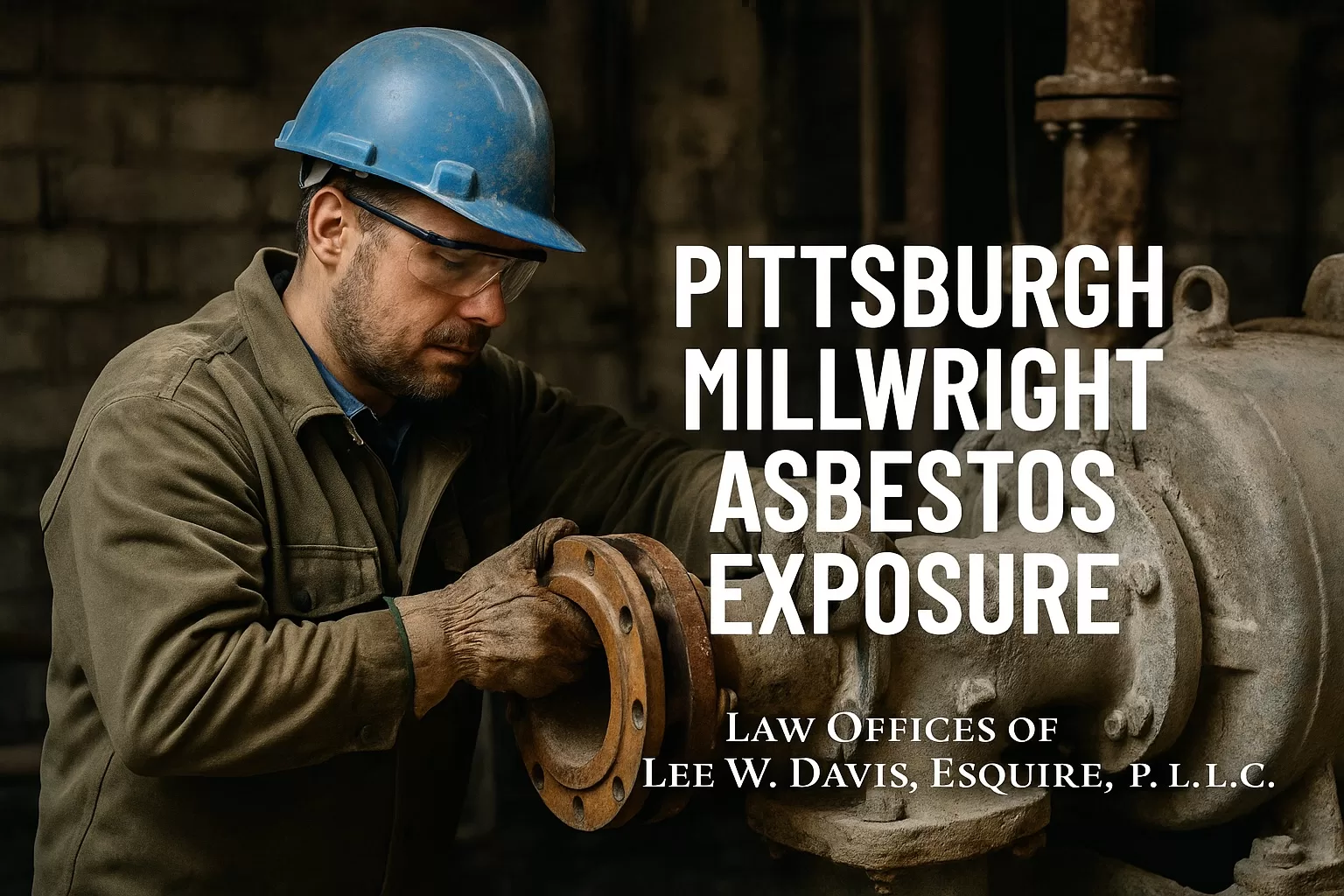
Michigan’s industrial economy relied heavily on high-pressure pumps and rotating equipment. Whether at Dow Midland, BASF Wyandotte, Ford Rouge, GM foundries, Detroit Edison stations, Marathon Detroit, or paper and chemical plants statewide, pumps were essential machinery. Unfortunately, asbestos was built into nearly every component that needed heat resistance, pressure control, or chemical durability.

👉 Search Asbestos Job Sites in Michigan

When pump mechanics, millwrights, pipefitters, maintenance crews, and machinists removed old gasket material or pulled out asbestos packing with picks, the dried fibers became airborne. Even brushing off flanges or cleaning pump faces with a wire brush released significant dust. For many Michigan workers, pump repairs were a daily task—turning routine maintenance into years of dangerous exposure.


How Pumps Exposed Michigan Workers to Asbestos

Industrial pumps contained asbestos in:

  • flange gaskets
  • pump housing insulation
  • braided rope packing
  • pump base insulation
  • high-temperature sealing materials
  • older replacement parts

Breaking the seal on an old pump almost always released visible dust. Workers inhaled asbestos without knowing the long-term risks.


Where Industrial Pump Exposure Happened in Michigan

Thousands of Michigan job sites used asbestos-containing pump components, including:

  • Dow Chemical – Midland
  • BASF – Wyandotte
  • Ford Rouge Complex – Dearborn
  • GM Detroit Assembly & Foundries
  • Marathon Refinery – Detroit
  • Power generation stations statewide
  • Paper mills in Escanaba, Muskegon, and Kalamazoo
  • Chemical plants across the Detroit River corridor

If you worked in one of these plants—especially before the mid-1980s—you likely handled asbestos regularly.


Diseases Linked to Asbestos Pump Repair

Workers exposed through pump maintenance are at risk for:

  • Mesothelioma
  • Asbestos-related lung cancer
  • Asbestosis
  • Pleural plaques and thickening
  • Chronic breathing issues

Symptoms often appear 20–50 years after exposure.


Your Legal Options

A Michigan Industrial Pump Asbestos case targets the manufacturers of the asbestos products—not your employer. You may qualify for:

  • Asbestos trust fund claims
  • Lawsuits against pump and gasket manufacturers
  • Wrongful death claims
  • Significant confidential settlements

Workers and families can pursue compensation even decades after exposure.


Speak With an Attorney Who Knows Michigan Industry

I have handled Michigan industrial asbestos cases since the 1990s, including the GM Saginaw foundry cases, auto plants, chemical facilities, and powerhouses statewide. I know the equipment, the job sites, and the exposure pathways.

📞 Call 412-781-0525 for a free consultation—available statewide.

Check If Your Family Was Exposed

Get your free guide instantly + a confidential case review.

🔒 100% Confidential. No obligations.

FAQs – Michigan Industrial Pump Asbestos

1. How were Michigan workers exposed to asbestos while repairing industrial pumps?

Workers inhaled asbestos dust when removing old gaskets, scraping pump flanges, pulling out asbestos packing, or cleaning pump housings. This routine maintenance released large amounts of airborne fibers, especially in auto plants, chemical facilities, and powerhouses.


2. Which Michigan job sites had asbestos-containing pump components?

Pumps with asbestos were used at Dow Midland, BASF Wyandotte, Ford Rouge Complex, GM Detroit plants, paper mills in Escanaba and Muskegon, Marathon Detroit Refinery, and power generation stations statewide.


3. What asbestos diseases are linked to industrial pump repair work?

Pump mechanics and maintenance workers are at risk for mesothelioma, asbestos-related lung cancer, asbestosis, and pleural thickening. These diseases often develop decades after exposure.


4. Can I file an asbestos claim even if I worked on pumps decades ago?

Yes. Asbestos claims target manufacturers of pump components, not your employer. Michigan workers can pursue trust fund claims, lawsuits, or wrongful death actions even if the exposure occurred 30–50 years ago.

Western Pennsylvania Asbestos Lawyer

Western Pennsylvania Asbestos Lawyer

Western Pennsylvania Asbestos Lawyer services are critical for workers and families who spent decades inside steel mills, power plants, chemical facilities, glass plants, foundries, and industrial manufacturing sites across the region. From Pittsburgh to the Mon Valley, Beaver Valley, Washington County, Butler County, and all points in between, asbestos exposure was a daily reality for thousands of skilled tradesmen who were never warned about the danger.

Mesothelioma/Asbestos Legal Help – WV, MI & PA

Speak directly with attorney Lee W. Davis. No call centers. Free, confidential review.
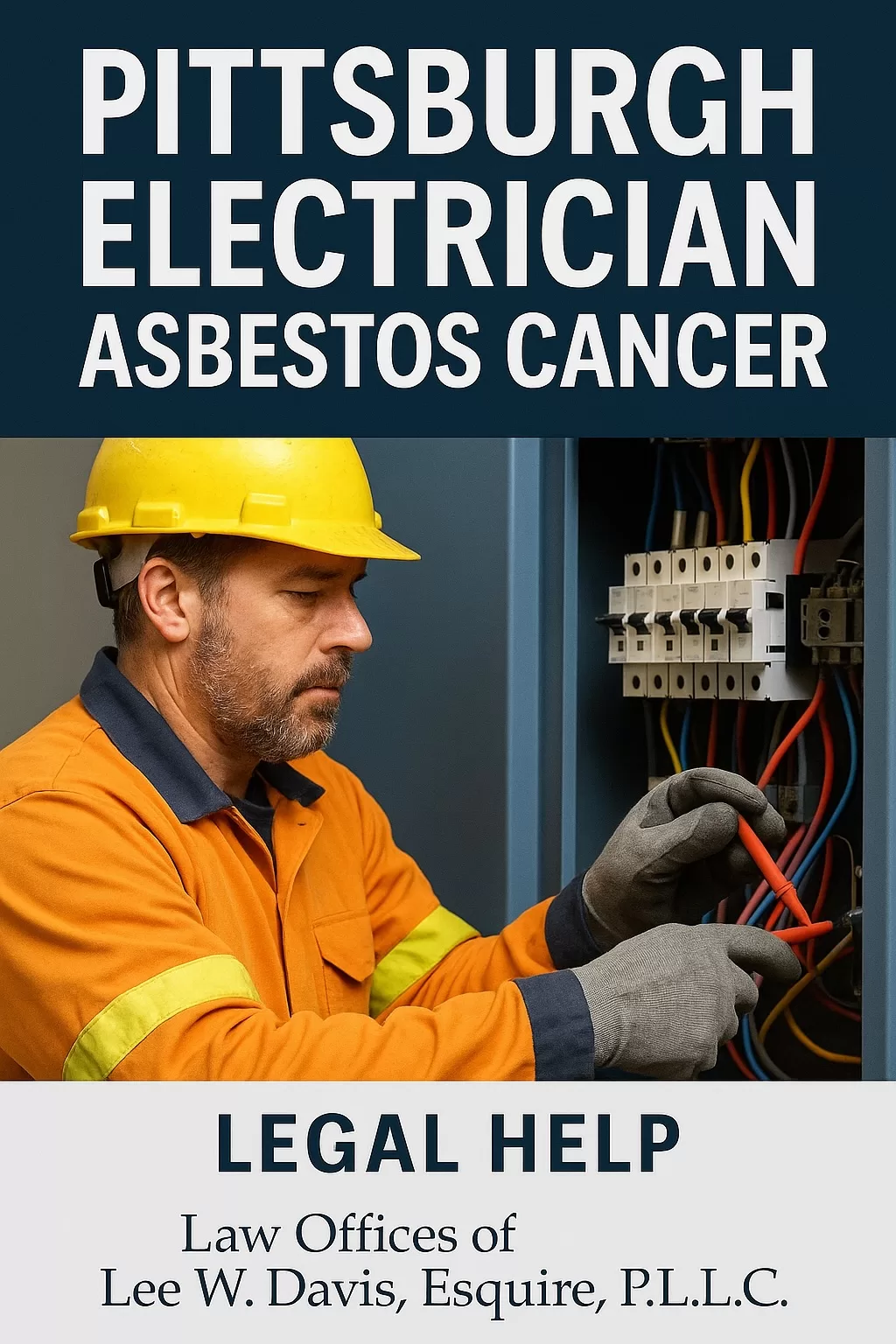
For more than a century, manufacturers knowingly sold asbestos-containing insulation, gaskets, refractory materials, and high-heat components to Western Pennsylvania industries. The workers who installed, repaired, and maintained those systems now face mesothelioma, asbestos-related lung cancer, and other deadly diseases. The companies responsible—not the workers—must be held accountable.


Asbestos Exposure Was Widespread Across Western Pennsylvania

Trade workers in Western Pennsylvania encountered asbestos across nearly every major industry:

Steel Mills and Foundries

U.S. Steel Clairton, Edgar Thomson Works, Irvin Works, J&L, Wheeling-Pitt, and other mills used asbestos in furnace insulation, coke oven components, ladles, boilers, and mechanical systems. Boilermakers, millwrights, electricians, pipefitters, laborers, and maintenance crews all faced direct exposure.

Power Plants and Powerhouses

Cheswick, Bruce Mansfield, Hatfield’s Ferry, Elrama, Armstrong, Mitchell, and other regional power stations used asbestos in turbines, boilers, pumps, valves, reactors, and high-temperature piping. Outage work created especially dangerous dust conditions.

Chemical and Manufacturing Facilities

Plants along Neville Island, Monaca, Aliquippa, Canonsburg, and the Ohio River corridor relied heavily on asbestos insulation. Reactor units, heat exchangers, pumps, and process equipment released fibers when serviced.

Glass and Specialty Manufacturing

Western Pennsylvania’s glass plants, refractories, and specialty material factories exposed workers through refractory block, furnace insulation, and thermal protection systems.

If your loved one worked in Western PA industry before the 1990s, asbestos exposure is extremely likely.

👉 Search Asbestos Job Sites in Pennsylvania


What Diseases Are Linked to Asbestos in Western Pennsylvania?

Workers and their families may face:

  • Mesothelioma
  • Asbestos-related lung cancer
  • Asbestosis
  • Pleural plaques and thickening
  • Chronic shortness of breath or chest pain

These diseases often develop decades after exposure, which is why many cases today involve workers retired 20–50 years ago.


Your Legal Options With a Western Pennsylvania Asbestos Lawyer

A qualified Western Pennsylvania Asbestos Lawyer can pursue:

  • Asbestos trust fund claims
  • Lawsuits against manufacturers of asbestos products
  • Significant confidential settlements
  • Wrongful death claims for surviving families

You do not sue union.

Claims target the companies that supplied the asbestos products.


Speak Directly With an Attorney Who Knows Western Pennsylvania Job Sites

I have represented workers across Western PA since the 1980s—from steelworkers to millwrights, boiler mechanics, electricians, and power plant crews. I know these job sites, the equipment, and the asbestos products that caused the harm.

📞 Call 412-781-0525 for a free consultation today.

You speak directly with me—not an intake center.

Mesothelioma/Asbestos Legal Help – WV, MI & PA

Speak directly with attorney Lee W. Davis. No call centers. Free, confidential review.
FAQs – Western Pennsylvania Asbestos Lawyer

1. How were workers exposed to asbestos in Western Pennsylvania?

Workers were exposed while repairing boilers, furnaces, turbines, pumps, valves, and insulated piping in steel mills, power plants, chemical facilities, and manufacturing plants. Asbestos insulation, gaskets, packing, and refractory materials released fibers during routine maintenance.


2. Do I need to sue my former employer to file an asbestos claim?

No. Asbestos claims target the manufacturers that supplied asbestos-containing products—not your employer or union. Workers can file lawsuits and trust claims without suing job sites or co-workers.


3. What diseases qualify for asbestos compensation in Western Pennsylvania?

Qualifying conditions include mesothelioma, asbestos-related lung cancer, asbestosis, and pleural disease. Many cases involve workers diagnosed decades after exposure.


4. Can families file a claim if a worker has passed away?

Yes. Spouses, children, and estates may pursue wrongful death asbestos claims. Even if the worker died years ago, compensation may still be available through trust funds and manufacturer claims.

Mesothelioma/Asbestos Legal Help – WV, MI & PA

Speak directly with attorney Lee W. Davis. No call centers. Free, confidential review.
Pittsburgh Millwright Asbestos Exposure – What Millwrights Need to Know

Pittsburgh Millwright Asbestos Exposure has affected generations of workers across steel mills, power plants, chemical facilities, and industrial manufacturing sites throughout Western Pennsylvania. Millwrights were exposed more than almost any other trade because they installed, aligned, repaired, and rebuilt machinery wrapped in asbestos insulation. They also worked deep inside boiler rooms, turbine decks, pump houses, and mill floors where asbestos dust was thick in the air and embedded in the equipment they serviced.

Mesothelioma/Asbestos Legal Help – WV, MI & PA

Speak directly with attorney Lee W. Davis. No call centers. Free, confidential review.
Millwrights were the backbone of Pittsburgh’s industrial economy. Whether working in the mills, shutting down and rebuilding massive rotating equipment, or repairing power plant components during outages, they were constantly surrounded by asbestos-containing insulation, gaskets, packing, refractory material, and high-heat protective systems. Manufacturers knew the risks for decades, yet never warned the men doing the work.


Why Millwrights Faced Extreme Asbestos Exposure

1. Machinery Insulation and High-Heat Components

Millwrights serviced pumps, motors, turbines, compressors, blowers, gearboxes, and conveyors. Nearly all of these systems used asbestos for heat control and fire resistance. When millwrights opened up equipment for rebuilds, old insulation turned to dust.

2. Gaskets, Packing, and Seals

Millions of asbestos gaskets and packing rings were used throughout industrial facilities. Cutting, scraping, grinding, or removing these parts released fibers directly into the work area.

3. Power Plant Outage Work

Pittsburgh millwrights who worked outages at Cheswick, Bruce Mansfield, Elrama, Hatfield’s Ferry, and other plants encountered asbestos during every turbine tear-down, boiler repair, and valve rebuild.

4. Steel Mills and Foundries

From U.S. Steel Clairton to Edgar Thomson, Irvin Works, and the former J&L and Wheeling-Pittsburgh facilities, asbestos was everywhere. Millwrights worked inches away from deteriorated insulation on furnaces, coke ovens, and high-heat machinery.

5. Chemical and Manufacturing Plants

In facilities in Monroeville, Neville Island, Aliquippa, and the Ohio River corridor, asbestos insulation coated pipes, pumps, reactors, and process equipment millwrights had to access routinely.


Millwrights Face High Rates of Asbestos Disease

Because millwrights worked directly on asbestos-containing equipment, they are at elevated risk for:

  • Mesothelioma
  • Asbestos-related lung cancer
  • Asbestosis
  • Pleural disease
  • Breathing impairment and chronic cough

Symptoms often appear decades after exposure. Many retired millwrights are only now discovering they were exposed.


Compensation Options for Pittsburgh Millwrights

Millwrights diagnosed with asbestos diseases may be eligible for:

  • Asbestos trust fund claims
  • Lawsuits against product manufacturers
  • Significant confidential settlements
  • Wrongful death claims for surviving families

Importantly, you do not sue your union or employer.

Claims target the manufacturers that supplied asbestos products.


Talk to an Attorney Who Understands Pittsburgh Job Sites

I have represented millwrights, steelworkers, power plant mechanics, and industrial tradesmen across Western Pennsylvania for decades. I know the equipment, the products, and the job sites — and I know exactly how the exposure occurred.

📞 Call 412-781-0525 for a free consultation.

You speak directly with me, not a case manager.

Check If Your Family Was Exposed

Get your free guide instantly + a confidential case review.

🔒 100% Confidential. No obligations.


Pittsburgh Millwright Asbestos Exposure – FAQs

1. How were millwrights in Pittsburgh exposed to asbestos?

Millwrights were exposed because they regularly repaired, aligned, and rebuilt machinery insulated with asbestos. Pumps, turbines, compressors, valves, and gearboxes often contained asbestos gaskets, packing, and high-heat insulation. When millwrights removed, scraped, or replaced these components, asbestos dust was released into the air and inhaled.


2. Which Pittsburgh job sites exposed millwrights to asbestos?

Millwrights were exposed at nearly every major industrial facility in Western Pennsylvania including U.S. Steel Clairton, Edgar Thomson Works, Irvin Works, J&L, Wheeling-Pitt, power plants like Cheswick and Bruce Mansfield, and chemical facilities on Neville Island and the Mon Valley. These job sites used large amounts of asbestos-containing insulation and mechanical components.


3. What asbestos diseases affect former millwrights?

Millwrights have elevated risks of mesothelioma, asbestos-related lung cancer, asbestosis, and pleural thickening. Because symptoms can take 20–50 years to appear, many millwrights develop disease long after retirement. Any millwright with shortness of breath, chronic cough, or chest pain should speak with an asbestos attorney and request medical screening.


4. Can millwrights file an asbestos claim without suing their employer or union?

Yes. Asbestos claims are filed against the manufacturers of asbestos products—not the employer, not the union (including the millwrights locals), and not the job site. Millwrights can pursue lawsuits and trust fund claims regardless of when the exposure occurred, and family members may file wrongful death claims if a millwright has passed away.

Mesothelioma/Asbestos Legal Help – WV, MI & PA

Speak directly with attorney Lee W. Davis. No call centers. Free, confidential review.
Pittsburgh Electrician Asbestos Cancer – What IBEW Local 5 Members Should Know

Pittsburgh Electrician Asbestos Cancer

Pittsburgh Electrician Asbestos Cancer has become a major health issue for many electricians across Western Pennsylvania, especially members of IBEW Local 5, headquartered on the South Side of Pittsburgh. Electricians spent decades working around asbestos-containing electrical panels, wiring insulation, arc-flash barriers, and industrial power systems without being warned of the risks. As a result, many are now developing mesothelioma, asbestos-related lung cancer, and other deadly diseases linked directly to their exposure on the job.

Mesothelioma/Asbestos Legal Help – WV, MI & PA

Speak directly with attorney Lee W. Davis. No call centers. Free, confidential review.

IBEW Local 5 dispatched electricians to nearly every major job site in the region — steel mills, power plants, commercial buildings, refineries, schools, hospitals, and manufacturing facilities. From Oakland to the South Hills to the Mon Valley, electricians routinely drilled, cut, stripped, or removed materials that released asbestos fibers into the air. Manufacturers knew these products were dangerous but hid the truth for decades.


How Electricians Were Exposed to Asbestos in Pittsburgh

Electrical Panels and Switchgear

Older breakers, bus ducts, arc-flash blankets, fuse boxes, and electrical cabinets often used asbestos for fire resistance. Cutting or drilling into these panels created immediate airborne contamination.

Insulated Wiring and Cable Wrap

High-heat wire insulation and cloth cable wrap contained asbestos until the late 1980s. Electricians pulling wire through walls, ceilings, and cable trays unknowingly disturbed hazardous fibers.

Power Plants and Steel Mills

Local 5 members worked outages and shutdowns at plants like Elrama, Cheswick, Bruce Mansfield, and Hatfield’s Ferry — all loaded with asbestos in boilers, turbines, ducts, conduits, and control rooms. These environments produced some of the highest asbestos concentrations electricians ever faced.

Commercial Building Renovation Work

Schools, courthouse buildings, hospitals, universities, and older office towers throughout Pittsburgh used asbestos fireproofing that collected above ceilings and along structural steel. Electricians opening ceiling cavities often released decades of accumulated asbestos dust.

👉 Search Asbestos Job Sites in Pennsylvania

👉Search Asbestos Job Sites in West Virginia


Diseases Linked to Pittsburgh Electrician Asbestos Cancer

Pittsburgh electricians face an elevated risk of:

  • Mesothelioma
  • Asbestos-related lung cancer
  • Asbestosis
  • Pleural thickening
  • Chronic respiratory problems

Symptoms often appear 20–50 years after exposure, meaning retired and older Local 5 members are still at risk today.


Compensation Options for IBEW Local 5 Electricians

If you or a family member from IBEW Local 5 has been diagnosed with an asbestos-related cancer, you may qualify for:

  • Asbestos trust fund claims
  • Lawsuits against asbestos manufacturers
  • Significant settlements
  • Wrongful death claims for surviving families

You do NOT sue Local 5.

Claims target the companies that manufactured the asbestos-containing products.


Speak With an Attorney Who Knows Pittsburgh Job Sites

I have represented Pittsburgh electricians, millwrights, pipefitters, and powerhouse workers for decades. I understand the job sites, equipment, and exposure sources that caused these illnesses.

📞 Call 412-781-0525 for a free asbestos consultation

You speak directly with me — no case managers, no national-firm shuffle.

Mesothelioma/Asbestos Legal Help – WV, MI & PA

Speak directly with attorney Lee W. Davis. No call centers. Free, confidential review.


Pittsburgh Electrician Asbestos Cancer has become a major health issue for many electricians across Western Pennsylvania, especially members of IBEW Local 5, headquartered on the South Side of Pittsburgh. Electricians spent decades working around asbestos-containing electrical panels, wiring insulation, arc-flash barriers, and industrial power systems without being warned of the risks. As a result, many are now developing mesothelioma, asbestos-related lung cancer, and other deadly diseases linked directly to their exposure on the job.

Michigan Powerhouse Asbestos Exposure – What Workers Need to Know

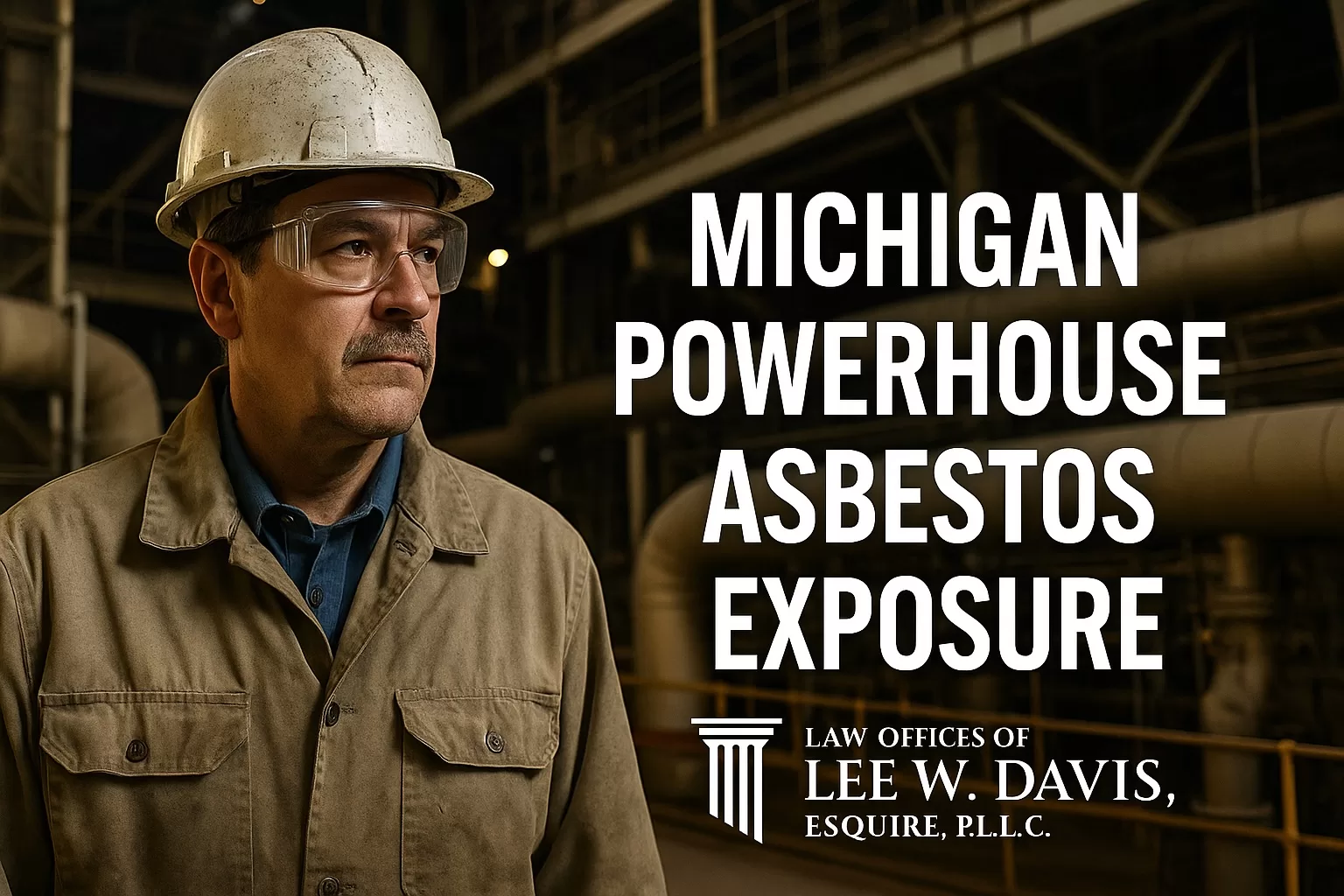
Michigan Powerhouse Asbestos Exposure

Michigan Powerhouse Asbestos Exposure has affected thousands of workers across the state, especially those assigned to power stations operated by Consumers Energy, Detroit Edison (DTE), municipal generating units, industrial boiler houses, and private utility contractors throughout the 20th century. These facilities relied heavily on asbestos for insulation, fireproofing, and heat resistance — which placed powerhouse workers, maintenance crews, welders, pipefitters, and boiler technicians at significant risk of long-term disease.

Mesothelioma/Asbestos Legal Help – WV, MI & PA

Speak directly with attorney Lee W. Davis. No call centers. Free, confidential review.

Decades later, many former Michigan powerhouse workers are now being diagnosed with mesothelioma, asbestos-related lung cancer, and asbestosis. These illnesses are directly linked to asbestos fibers that were released during routine tasks such as boiler cleaning, insulation removal, turbine work, pipe repair, welding, grinding, and outage maintenance. Even workers stationed at a powerhouse for only a short time may face elevated health risks today.


How Michigan Powerhouse Asbestos Exposure Occurred

1. Boiler Rooms and Generating Units

Michigan powerhouses housed large boilers lined with asbestos insulation. During outages and routine repairs, workers removed or disturbed this material, releasing airborne fibers into enclosed spaces.

2. Turbines, Pumps, and Valves

Asbestos-containing gaskets, packing, and insulation were used on thousands of components throughout generating stations. Machining, tightening, cutting, and replacing these parts released hazardous dust.

3. Steam Lines and High-Heat Piping

Powerhouses depended on miles of steam lines wrapped in asbestos. Any repair — even simple torch work — disturbed the insulation and exposed workers to high concentrations of airborne fibers.

4. Asbestos-Containing Refractory Materials

Burner assemblies, firebrick, furnace linings, and boiler walls used refractory asbestos mixes that crumbled with age and constant heat cycling.


Which Michigan Powerhouses Used Asbestos?

Workers received exposure at many facilities across the state, including:

  • Consumers Energy: J.R. Whiting, Karn/Weadock, Cobb, Campbell, Palisades work zones
  • DTE Energy: Trenton Channel, River Rouge, St. Clair, Belle River
  • Municipal Powerhouses: Wyandotte, Lansing, Holland, Marquette
  • Industrial Powerhouses in auto plants, paper mills, steel operations, and chemical works

Nearly all of these sites used asbestos for multiple decades.

👉 Search Asbestos Job Sites in Michigan


Compensation Options for Powerhouse Workers

If you developed mesothelioma, asbestos lung cancer, or related disease after working in a Michigan powerhouse, you may be entitled to:

  • Asbestos trust fund compensation
  • Manufacturer lawsuits
  • Settlements without trial
  • Wrongful death claims for families

You do not sue your former employer or union—claims target the companies that supplied the asbestos materials.


Talk to an Attorney Who Knows Michigan Industrial Sites

I have represented thousands of industrial workers, including those from Michigan powerhouses and heavy-manufacturing facilities. I understand the equipment, the products, and the exposure paths.

📞 Call 412-781-0525 for a free Michigan asbestos consultation.

No call centers. No national-firm shuffle. You speak directly with me.

Check If Your Family Was Exposed

Get your free guide instantly + a confidential case review.

🔒 100% Confidential. No obligations.

Pittsburgh Boilermaker Asbestos Exposure – What Local 154 Workers Need to Know

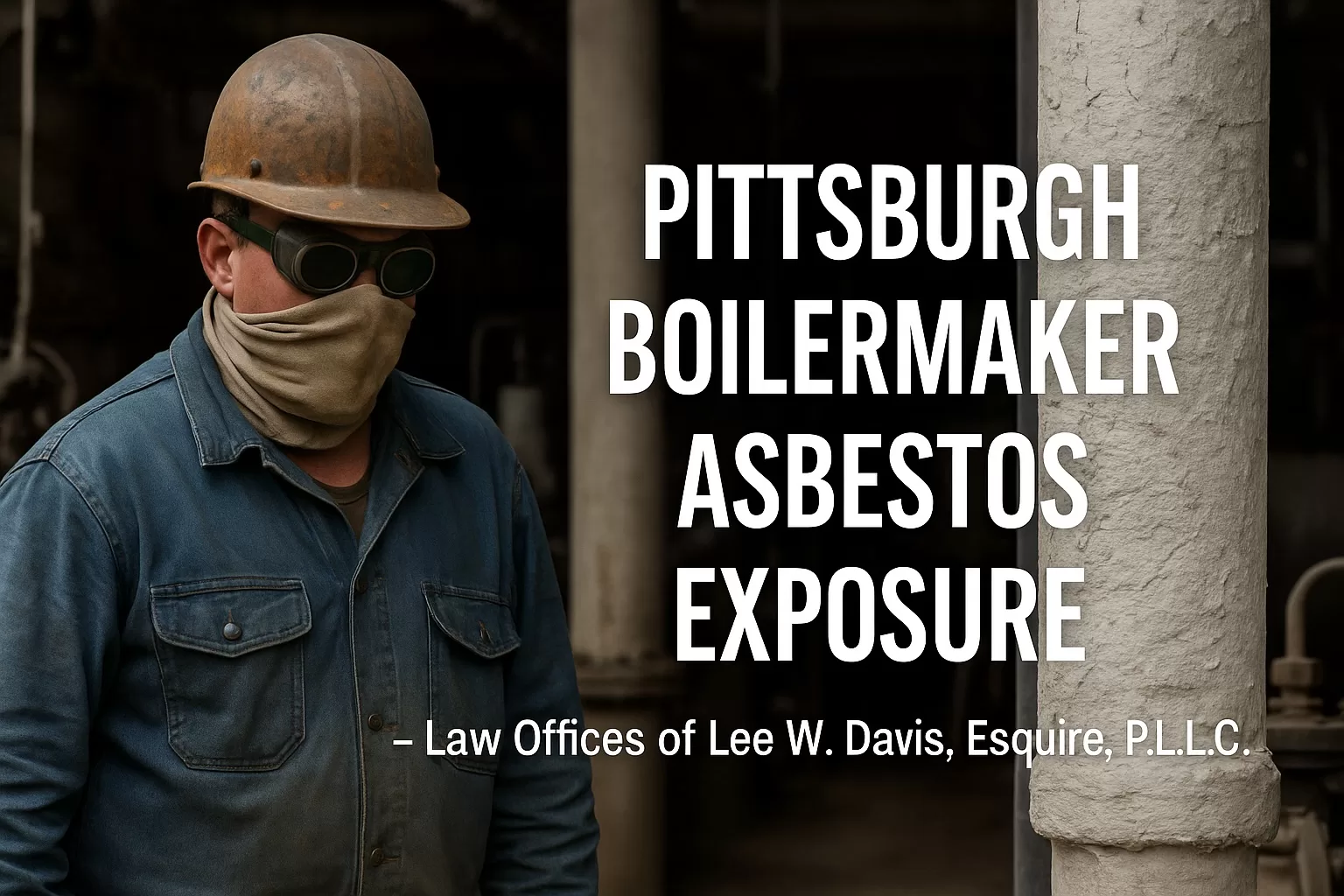
Pittsburgh Boilermaker Asbestos Exposure

Pittsburgh Boilermaker Asbestos Exposure has affected generations of skilled tradesmen across Western Pennsylvania, especially members of Boilermakers Local 154, who routinely worked in high-heat environments throughout steel mills, power plants, chemical facilities, industrial repair shops, and fabrication yards. For decades, these workplaces used asbestos-containing insulation, refractory materials, gaskets, pipe coverings, boiler linings, welding blankets, and structural components — all of which released dangerous fibers into the air during cutting, removal, installation, and repair work.

Many Local 154 boilermakers never knew that these materials contained asbestos because manufacturers concealed the risks for profit. Today, former boilermakers face higher rates of mesothelioma, lung cancer, asbestosis, and other occupational diseases directly linked to this exposure. If you or a family member worked through Boilermakers Local 154 and later developed an asbestos-related illness, you may qualify for significant compensation through lawsuits, asbestos trust funds, and settlements.


How Boilermakers Were Exposed to Asbestos in Pittsburgh

1. Power Plants and Generating Stations

Local 154 boilermakers regularly worked shutdowns and outages at power stations across Pittsburgh and the Ohio Valley. These facilities used asbestos on:

  • Boilers and boiler walls
  • Turbines, pumps, and valves
  • Steam lines and hot-water systems
  • Fireproofing and refractory panels

Every repair, removal, or torch-cutting job released large amounts of asbestos dust.

2. Steel Mills and Foundries

U.S. Steel, J&L, Wheeling-Pitt, and other regional steel facilities exposed boilermakers to asbestos from furnace linings, ladles, ducts, boilers, and insulated structures—often in confined spaces with little ventilation.

3. Chemical and Industrial Plants

Cleanup, repair, and fabrication assignments brought boilermakers into direct contact with asbestos-lagged pipes, pressure vessels, heat exchangers, and storage tanks.

👉 Search Asbestos Job Sites in Pennsylvania

👉 Search Asbestos Job Sites in West Virginia


Why Local 154 Boilermakers Face Higher Risk

Boilermakers worked in the exact conditions where asbestos exposure was most severe: high heat, enclosed spaces, heavy insulation removal, welding, grinding, and demolition. Even short-term exposures can cause mesothelioma decades later, making these jobs some of the highest-risk trades in the Pittsburgh region.


Compensation Options for Local 154 Boilermakers

If you or a loved one from Boilermakers Local 154 has been diagnosed with mesothelioma, lung cancer, or another asbestos disease, you may be eligible for:

  • Asbestos trust fund claims
  • Individual lawsuits against product manufacturers
  • Settlements for pain, suffering, medical bills, and family support
  • Wrongful death claims for surviving families

You do not sue Local 154 — these claims target the companies that made and sold and used asbestos products knowing the hazards of exposure.


Speak With an Attorney Who Knows Pittsburgh Job Sites

I have spent decades representing boilermakers, steelworkers, and power plant tradesmen across the Pittsburgh region. I understand the job sites, the work practices, the exposure points, and the products that caused the harm.

📞 Call 412-781-0525 for a free consultation.

Your case is handled personally — no call centers, no national firm shuffle.

Check If Your Family Was Exposed

Get your free guide instantly + a confidential case review.

🔒 100% Confidential. No obligations.

Pittsburgh Pipefitter Asbestos Exposure

Pittsburgh Pipefitter Asbestos Exposure

Pittsburgh pipefitter asbestos exposure remains a serious health issue affecting generations of workers across the region. For decades, pipefitters in steel mills, power plants, chemical plants, and industrial facilities handled insulation, gaskets, valves, and high-heat components packed with asbestos fibers. Today, many former pipefitters are being diagnosed with mesothelioma, lung cancer, and asbestosis—diseases that appear decades after exposure.

Mesothelioma/Asbestos Legal Help – WV, MI & PA

Speak directly with attorney Lee W. Davis. No call centers. Free, confidential review.

Pittsburgh Pipefitter Asbestos Exposure Risks

Pipefitters were routinely positioned directly where asbestos dust was released. Tasks such as cutting pipe covering, removing old insulation, replacing boilers, and working around steam lines caused fibers to become airborne. Even workers who never handled insulation directly still inhaled asbestos because it was already present throughout older Pittsburgh facilities.

Common exposure sources for Pittsburgh pipefitters included:

  • Asbestos pipe insulation
  • Block insulation and refractory materials
  • Gaskets and packing
  • Steam lines, turbines, and boilers
  • Valve and flange repair
  • Contaminated work areas that were never properly cleaned

These exposures were continuous and unavoidable in many job sites. Companies understood the danger long before workers did—and failed to protect them.


How Pittsburgh Pipefitters Were Exposed to Asbestos

Pipefitters performed maintenance in the tightest, hottest, and dustiest locations in industrial plants. Disturbing old insulation caused heavy fiber release, often without proper ventilation. Many pipefitters in Pittsburgh also rotated between multiple facilities—steel plants, chemical plants, refineries, and power stations—resulting in chronic exposure across multiple employers.

Industries where exposure was most severe include:

  • U.S. Steel and other Pittsburgh-area mills
  • Power generating stations
  • Chemical and refinery facilities
  • Commercial and institutional construction sites
  • Bridge and public infrastructure work

If you worked as a pipefitter in the Pittsburgh region at any time before the early 1990s, asbestos exposure is presumed.

👉 Search Asbestos Job Sites near Pittsburgh

Legal Options for Pittsburgh Pipefitters

Pipefitters diagnosed with mesothelioma, lung cancer, or asbestos-related disease may qualify for:

  • Lawsuits against companies that supplied asbestos products
  • Claims against asbestos bankruptcy trusts
  • Wrongful death claims for surviving families

Your claim does not depend on your former employer still being in business. Liability attaches to manufacturers and suppliers—not the plant where you worked.

For related resources, you may also review the asbestos exposure lawyer Pittsburgh page here:


Call Now for Free Pittsburgh Legal Help

If you or a loved one worked as a pipefitter in Pittsburgh and now have mesothelioma or another asbestos-related illness, call 412-781-0525 for a free consultation.

You pay nothing unless compensation is recovered.

Check If Your Family Was Exposed

Get your free guide instantly + a confidential case review.

🔒 100% Confidential. No obligations.


FAQs – Pittsburgh Pipefitter Asbestos Exposure

Were Pittsburgh pipefitters exposed even if they never handled insulation?

Yes. Asbestos dust traveled through the air from other trades disturbing insulation. Pipefitters often worked inches away from these activities.

Can pipefitters still file asbestos claims decades later?

Yes. Mesothelioma has a long latency period, and claims are commonly filed 30–50 years after exposure.

What compensation is available to Pittsburgh pipefitters?

Compensation may include settlements, trust fund payments, medical expenses, lost wages, and wrongful death recovery.

Mesothelioma/Asbestos Legal Help – WV, MI & PA

Speak directly with attorney Lee W. Davis. No call centers. Free, confidential review.

Pittsburgh Steamfitter Asbestos Exposure

Pittsburgh Steamfitter Asbestos Exposure

Pittsburgh Steamfitter Asbestos Exposure has impacted generations of local union steamfitters who worked in steel mills, power plants, chemical plants, and commercial buildings throughout Western Pennsylvania. For decades, steamfitters were surrounded by asbestos-containing insulation, gaskets, boilers, turbines, pumps, and high-temperature piping systems—often without being warned of the health risks. Many Pittsburgh steamfitters are now being diagnosed with mesothelioma, lung cancer, and asbestosis years after retirement.

Pittsburgh Steamfitter Asbestos Exposure Risks

Steamfitters routinely cut, removed, installed, and repaired asbestos-containing materials—especially pipe covering, block insulation, boiler insulation, and valve packing. These tasks released high levels of airborne asbestos fibers in confined mechanical rooms, basements, and industrial spaces.

Common asbestos exposures for Pittsburgh steamfitters included:

  • Pipe insulation removal and replacement
  • Cutting or sawing insulated piping
  • Working near boilermakers, insulators, millwrights, and electricians disturbing asbestos
  • Repairing steam traps, valves, and pump systems with asbestos gaskets and packing
  • Steam line shutdowns in steel mills and power plants where dust levels were extremely high

Because asbestos diseases can take 20–50+ years to develop, many retired steamfitters in Allegheny County are only now discovering the extent of their exposure.

Where Pittsburgh Steamfitters Faced Heavy Exposure

Your work took you into dozens of high-risk Pittsburgh job sites, including:

  • U.S. Steel Clairton Works
  • U.S. Steel Edgar Thomson Works
  • J&L Steel / LTV
  • Allegheny Ludlum
  • Duquesne Light power plants
  • Pittsburgh commercial high-rises from the 1960s–1990s
  • Chemical and refinery sites throughout Western PA

Many of these locations used asbestos well into the 1980s.

👉Search Asbestos Job Sites in Pennsylvania

For more site details, visit:

Compensation for Pittsburgh Steamfitters

If you worked as a steamfitter in Pittsburgh, you may be entitled to compensation from:

  • Asbestos bankruptcy trusts
  • Lawsuits against manufacturers
  • Claims for mesothelioma, lung cancer, and asbestosis
  • Settlements for wrongful death

You do not sue your union or employer. Claims target the companies that made asbestos products.


Get Legal Help Today

If you or a family member worked as a Pittsburgh steamfitter and later developed an asbestos-related illness, you deserve experienced representation.

Call 412-781-0525 for a free case review. No fees unless compensation is recovered.

Check If Your Family Was Exposed

Get your free guide instantly + a confidential case review.

🔒 100% Confidential. No obligations.


FAQs – Pittsburgh Steamfitter Asbestos Exposure

Were steamfitters heavily exposed to asbestos?

Yes. Steamfitters encountered asbestos more than most trades because nearly every hot-water or steam system used asbestos insulation, gaskets, and packing.

Do I need my union records to file a claim?

No. They help, but I can rebuild your work history using job sites, dates, and product identification.

Can steamfitters with lung cancer qualify for compensation?

Yes. Lung cancer claims linked to asbestos exposure can be compensable even for long-time smokers.

Mesothelioma/Asbestos Legal Help – WV, MI & PA

Speak directly with attorney Lee W. Davis. No call centers. Free, confidential review.