
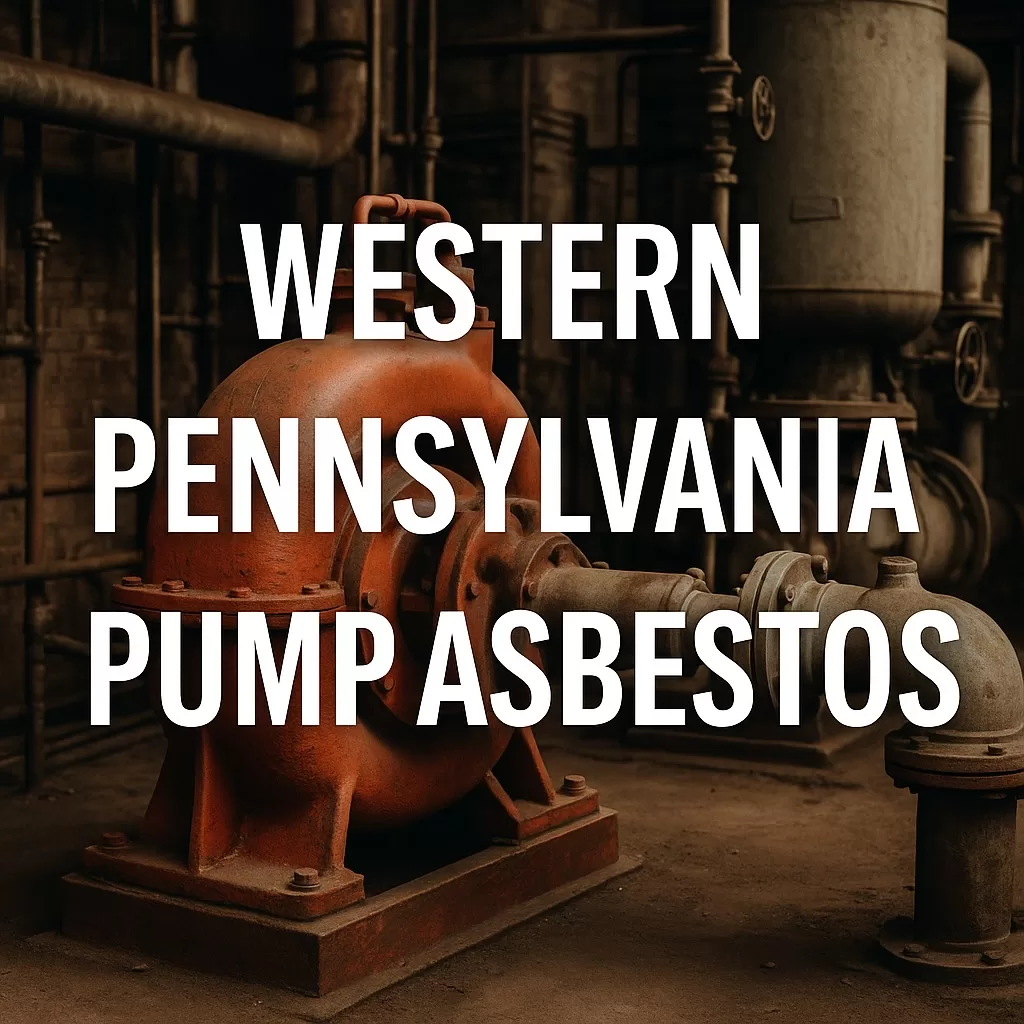
For decades, thousands of workers across steel mills, power stations, chemical plants, and refineries faced Western Pennsylvania pump asbestos exposure without ever being warned. Pumps were used in every major industrial facility in the region, and nearly all pump systems contained asbestos components—especially gaskets, packing, seals, insulation, and flange materials.
Today, former workers are being diagnosed with mesothelioma and lung cancer tied directly to these exposures. Many families have also been affected through take-home asbestos carried home on clothing, lunch pails, and work gear from pump repair areas.
If you or a loved one worked around pumps in Western Pennsylvania and later developed mesothelioma or another asbestos-related cancer, compensation may still be available.
Mesothelioma/Asbestos Legal Help – WV, MI & PA
Speak directly with attorney Lee W. Davis. No call centers. Free, confidential review.
How Pump Asbestos Exposure Occurred in Western Pennsylvania
Asbestos was used in pumps because it could withstand:
- High heat
- Steam pressure
- Chemical corrosion
- Constant vibration
- Friction from moving parts
Facilities most associated with pump asbestos included:
- U.S. Steel (Clairton, Edgar Thomson, Irvin)
- J&L / LTV / Jones & Laughlin
- Power plants along the Monongahela and Ohio Rivers
- Refineries in the greater Pittsburgh region
- Chemical facilities in Beaver, Washington, and Fayette Counties
Pump mechanics, pipefitters, millwrights, machinists, and maintenance crews were at the highest risk.
Grinding, removing, scraping, or replacing gaskets and packing released asbestos fibers directly into the air. Insulation blankets around pump housings, flanges, and hot water lines added even more exposure.
Take-Home Asbestos From Pump Repairs
Workers often brought asbestos dust home unknowingly. Fibers settled into:
- Work shirts
- Pants and jackets
- Tool bags
- Car seats
- Laundry hampers
Spouses and children were exposed simply by living in the same home. Many of those family members later developed mesothelioma despite never working in an industrial job.
Pennsylvania law recognizes take-home asbestos claims when exposure can be traced to a contaminated workplace. Pump repair and maintenance areas are some of the strongest take-home exposure sources.
Industries Most Affected
- Steel mills
- Coke plants
- Power stations
- Chemical producers
- Refineries
- Glass and manufacturing plants
Every facility used pumps for water, steam, oil, cooling, fuel movement, and chemical processes.
👉 Search Asbestos Job Site in Western Pennsylvania
Why These Claims Still Succeed
Manufacturers of pump gaskets, packing, insulation, and seals knew asbestos was deadly but kept selling these products into Western Pennsylvania well into the 1980s.
Liability remains because:
- Workers were not warned
- Employers relied on asbestos-containing pump parts for decades
- Safer alternatives existed
- Dust levels in pump rooms and repair shops were extremely high
Most compensation comes from asbestos bankruptcy trusts or product liability claims—not from suing a former employer.
Legal Help for Western Pennsylvania Pump Asbestos Exposure
If you or a family member developed mesothelioma, asbestos lung cancer, or another asbestos disease after working around pumps in Western Pennsylvania, you may qualify for significant financial compensation.
Call 412-781-0525 for a free consultation.
No fees unless compensation is recovered.
FAQs – Western Pennsylvania Pump Asbestos
1. How were Western Pennsylvania workers exposed to asbestos from pumps?
Most pump systems in steel mills, refineries, and power plants used asbestos gaskets, packing, and insulation. Repairing or replacing these parts released asbestos dust into the air, exposing workers in maintenance, millwright, and mechanical shops.
2. Which jobs had the highest risk of pump-related asbestos exposure?
Pump mechanics, pipefitters, millwrights, machinists, maintenance workers, boiler operators, and laborers in steel or power facilities faced the highest exposure due to constant repair work and heavy fiber release during gasket and packing removal.
3. Can family members be affected through take-home asbestos from pump repairs?
Yes. Workers often brought asbestos fibers home on their clothes, boots, tools, and vehicles. Pennsylvania law recognizes take-home asbestos exposure, and spouses or children who later developed mesothelioma may have valid claims.
4. Are pump-related asbestos claims still valid even if the plant closed years ago?
Yes. Most claims are filed against the manufacturers of pump components—not the employer. Many responsible companies entered bankruptcy and now operate trust funds that continue to pay claims.
5. What compensation is available for pump asbestos exposure in Western Pennsylvania?
Compensation may include payments from asbestos trust funds, product liability settlements, or wrongful death claims. Many cases resolve without going to court and without suing a former employer