Household Asbestos Exposure: When Work Clothes Made Families Sick

household asbestos exposure

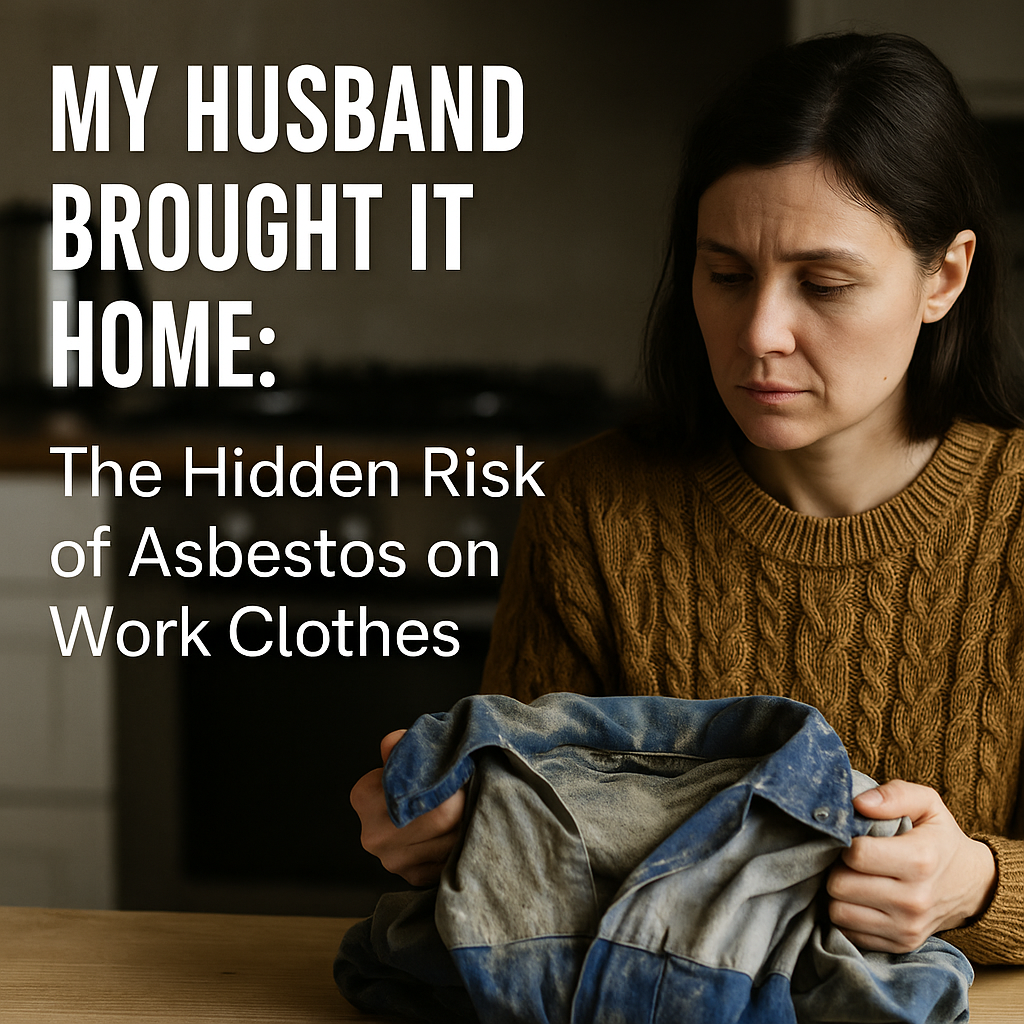
For years, thousands of women in West Virginia and Pennsylvania were exposed to asbestos fibers without ever stepping inside a steel mill or power plant. This is known as household asbestos exposure, also called take-home asbestos exposure. It happens when workers unknowingly carry asbestos home on their clothing, shoes, or gear—and family members inhale those invisible fibers while doing laundry or sharing the same space.

They weren’t workers.
They were wives. Mothers. Daughters.
And their exposure came from the laundry room.

⚠️ How It Happened

Steel mills, chemical plants, and power stations used asbestos in insulation, gaskets, boilers, and other industrial materials. When disturbed, asbestos breaks into microscopic fibers that cling to clothing.

Without proper warnings or protective measures, workers brought that danger home.

When their wives shook out dusty jeans before washing them—or rode in the same car, or swept the floor—they were breathing in asbestos.

💔 Who Was Affected

We’re still seeing mesothelioma and lung cancer cases tied to secondary exposure. These often involve:
• Women who handled laundry for a spouse working at:


Weirton Steel


Wheeling-Pitt


PPG Natrium


• Clairton Coke Works


• Bethlehem Steel


• Adult children exposed in the home growing up


• Families of Duquesne Light and coal plant workers

⚖️ Can You File a Claim?

Yes. Courts in Pennsylvania and West Virginia recognize household asbestos exposure as a valid path for compensation.

If someone in your family was diagnosed with mesothelioma, asbestosis, or lung cancer, and another household member worked in a known asbestos job site, you may still have a case—even if it happened decades ago.

📞 Call (412) 781-0525 or
🔗 Visit our asbestos exposure claim guide

You don’t need to know all the details.
We’ll help you figure it out.

He Worked at the Mill. She Was Exposed at Home.

asbestos from mill work clothes

Asbestos from mill work clothes is called secondary asbestos exposure, also known as take-home exposure. And for thousands of families across West Virginia and Pennsylvania, it’s the reason mothers, wives, and daughters developed mesothelioma or asbestos-related lung disease—decades later.

For decades, steelworkers across the Ohio Valley walked through asbestos every day—at mills in Weirton, Clairton, and Wheeling. It was part of the insulation. It coated the pipe wrapping. It filled the air in boiler rooms and machine shops.

And when the shift ended, it came home.

Asbestos fibers clung to jackets, overalls, and lunch pails.

They settled into car seats, onto couches, and into laundry baskets.

They ended up in the lungs of people who never stepped foot inside the mill.


⚠️ Why It Still Matters

Steel companies and product manufacturers knew about the dangers of asbestos and asbestos from mill work clothes.

They had safety data sheets, internal memos, and industry warnings.

But they never told workers to isolate their clothing.

They never warned families.

Now, those same families are paying the price.


⚖️ You Still Have Legal Options if exposed to asbestos from mill work clothes

If someone in your family worked at one of the following sites:

  • Weirton Steel
  • Wheeling-Pitt
  • PPG Natrium
  • U.S. Steel Clairton
  • Duquesne Light
  • Or any heavy industrial plant in the region…

…and a spouse or household member was later diagnosed with mesothelioma or lung cancer, you may have a valid take-home asbestos claim.

West Virginia and Pennsylvania law both recognize these cases.

And the time limit usually starts at the time of diagnosis—not exposure.

📞 Call (412) 781-0525 or

🔗 Learn more here

He worked at the mill.

She did the laundry.

And now she’s the one who’s sick.

Asbestos Exposure from Work Clothes: What Families Need to Know

Asbestos Exposure from Work Clothes: Hidden Danger at Home

Asbestos Exposure from Work Clothes is a Hidden Danger at Home. This is called take-home asbestos exposure, and it’s now a recognized legal claim. Courts have acknowledged that companies knew asbestos could be transferred from the workplace into the home — and failed to warn workers or families.

He worked the shifts. She folded the laundry.

But neither of them knew that asbestos could come home on his clothes.

For decades, plants like PPG Natrium, Weirton Steel, and U.S. Steel Clairton Works used asbestos in insulation, gaskets, and packing. When workers came home, the asbestos didn’t stay behind. It clung to their jackets, boots, and work uniforms — eventually ending up in bedrooms, laundry baskets, and lungs.

Many women — wives, daughters, mothers — were diagnosed with mesothelioma or asbestos-related lung cancer, even though they never set foot in a plant. The cause?

Asbestos exposure from work clothes brought home every night.

🧾 What the Companies Knew

Records show that employers were aware of the dangers. They installed ventilation systems to protect machinery but not people. They warned supervisors but not workers.

And they never told anyone to bag or isolate contaminated clothing before heading home.

Now, decades later, families are still living with the consequences.


⚖️ If You’re Facing This, You Still Have Options

If your spouse, mother, or sister has been diagnosed with an asbestos-related illness — and someone in your household worked at:

  • PPG Natrium
  • Weirton Steel
  • U.S. Steel Irvin or Clairton
  • Duquesne Light
  • Or any other major industrial job site in the Ohio Valley…

…you may be entitled to compensation.

The law allows you to file a claim even if the worker has passed away, and even if the exposure happened years ago. The deadline doesn’t begin until diagnosis.

📞 Call (412) 781-0525

🔗 Learn more now

Asbestos exposure from work clothes is real — and justice is still possible.

She Didn’t Work at PPG. But She Still Got Sick.

secondary asbestos exposure

Secondary Asbestos Exposure to women and children who never set foot inside an industrial plant are still being diagnosed with mesothelioma — an aggressive cancer caused only by asbestos. These aren’t isolated cases. National studies and court decisions have confirmed what families already knew: asbestos doesn’t stop at the plant gate.

She didn’t punch in at the plant. She didn’t cut pipe, scrape boilers, or wear a hard hat.

But she still folded the laundry. She still hugged her kids after dinner. And when her husband came home from the PPG Natrium Plant, so did something else.

Asbestos.

For decades, asbestos was used throughout industrial job sites across the Ohio Valley — including the PPG plant in Natrium, West Virginia. Workers handled pipe insulation, packing, gaskets, and electrical components that contained asbestos fibers. What they didn’t know was that those fibers could cling to their clothing and follow them home.

This is called take-home exposure. And it’s still happening.

At the Law Offices of Lee W. Davis, we’ve seen secondary asbestos exposure firsthand. We’ve represented families across Northern West Virginia and Western Pennsylvania who lost a mother, wife, or sister to mesothelioma — just because she did the laundry.

If your family has a history of work at:

  • PPG Natrium
  • Weirton Steel
  • US Steel Clairton or Irvin Works
  • Duquesne Light or FirstEnergy

And a loved one developed mesothelioma or another asbestos-related illness, you may still have legal options — even if the worker has passed away.

Take-home exposure cases are real. Courts recognize them. And justice is still possible.

📞 Call us today at (412) 781-0525 or visit leewdavis.com to learn more about take-home asbestos lawsuits in West Virginia and Pennsylvania.

PPG Natrium Plant: The Overlooked Legacy of Asbestos in Wetzel County

PPG Natrium asbestos lawyer

As a PPG Natrium asbestos lawyer, I’ve helped West Virginians trace their exposure and fight for the justice they deserve.

For generations, the PPG chemical plant in Natrium, West Virginia employed thousands of workers in production, maintenance, and lab operations. Located along the Ohio River in Wetzel County, the facility was a major employer and part of the region’s industrial backbone.

But what many families never knew was that asbestos was used throughout the Natrium plant — especially in older insulation, piping systems, and maintenance areas. Today, former employees are being diagnosed with mesothelioma, a deadly cancer caused by asbestos exposure.

🏭 Where Was Asbestos Used at the Natrium Plant?

Based on historical industrial usage patterns, asbestos was likely present in:
• Pipe insulation and gaskets
• Boilers, turbines, and chemical tank linings
• Fireproofing materials near reactors and furnaces
• Protective clothing for maintenance and lab workers

Even those not working directly with asbestos could have been exposed through ambient dust or take-home exposure on work uniforms.

👨‍👩‍👧‍👦 Take-Home Exposure Was Common

Many PPG employees returned home covered in fine dust. Their spouses and children — just by doing laundry or hugging them after a shift — were unknowingly exposed. These secondhand exposures have tragically led to mesothelioma cases decades later.

⚖️ Still Time to File a Claim in WV

West Virginia allows you to file a lawsuit within two years of a mesothelioma diagnosis, not the exposure date. If your loved one worked at PPG Natrium and was later diagnosed, a PPG Natrium asbestos lawyer can help investigate, document the exposure, and pursue a claim.

👨‍⚖️ Why Work With Lee W. Davis?
• 35+ years of asbestos litigation experience
• Based near West Virginia with local site knowledge
• Handles all cases personally — no case farming
• Only paid if we win your case

📄 Learn More and Get Help

📥 Download the Take-Home Exposure Legal Guide


🔗 More about asbestos claims in West Virginia


📞 Call (412) 781-0525 or contact us online

How Mesothelioma Still Haunts Glass Plant Workers in PA and WV

Glass plant mesothelioma lawyer

As a glass plant mesothelioma lawyer, I’ve helped families who never knew their loved ones were working in buildings lined with dangerous insulation or handling equipment that shed asbestos dust daily.

The glass industry in Pennsylvania and West Virginia shaped towns, supported families, and provided reliable union work for generations. But behind the proud legacy of glass production lies a haunting reality: asbestos exposure was widespread — and deadly.


🏭 Where Asbestos Was Found in Glass Plants

Glass plants used asbestos in many critical areas due to its heat resistance:

  • Annealing linings and furnace insulation
  • Pipe systems and boilers throughout the facility
  • Gloves, aprons, and welding blankets
  • Kiln bricks, conveyor seals, and mold releases

Asbestos was often invisible, especially when embedded in high-temperature materials that deteriorated slowly over time.


⚠️ Exposure Didn’t End at the Gate

For many workers, the danger followed them home. Take-home asbestos exposure from glass plants has led to mesothelioma diagnoses in spouses and even adult children decades later.

Laundry, car seats, shared bathrooms — these were common paths for asbestos fibers to travel. Families who never stepped foot inside a plant are now grappling with deadly illnesses.


⚖️ Still Time to File

Both Pennsylvania and West Virginia allow you to file a mesothelioma claim within two years of diagnosis. You do not need to prove exactly when the exposure occurred — just that your diagnosis is connected to known glass plant job sites.


🔗 Learn More:


👨‍⚖️ Why Work With Lee W. Davis?

  • 35+ years helping mesothelioma victims across PA, WV & OH
  • First-hand knowledge of regional job sites
  • Personally handles every case — no middlemen
  • No fee unless we win

📞 Request Your Free Case Review

Call (412) 781-0525 or contact us online for a confidential consultation. You may be entitled to compensation, even if exposure occurred decades ago.

Mesothelioma at Weirton Steel: What Families Need to Know

Mesothelioma Lawyer for Weirton Steel

As a dedicated Weirton Steel mesothelioma lawyer, I’ve helped countless West Virginia families facing the heartbreaking reality of an asbestos-related diagnosis. Many workers had no idea they were being exposed. They did their jobs, came home, and unknowingly carried dangerous asbestos fibers on their clothing, boots, and gear.

For decades, Weirton Steel was the beating heart of the Ohio Valley. It provided good-paying union jobs, supported entire communities, and forged more than steel — it built a way of life. But behind that legacy is a darker truth: asbestos was everywhere, silently endangering the health of those who worked hard to keep the plant running.

🏭 How Asbestos Was Used at Weirton Steel

Asbestos was prized for its heat resistance and durability — making it a standard part of the steelmaking process. At Weirton, it was found in:
• Pipe insulation throughout the plant
• Boilers, blast furnaces, and heat shields
• Brake pads, welding blankets, gloves, and aprons
• Maintenance repairs and demolition work
• Fireproofing materials used in high-heat areas

Even those not directly working with asbestos could still be exposed through ambient dust, or worse — take the dust home to family members.

🏠 Secondhand Exposure Still Counts

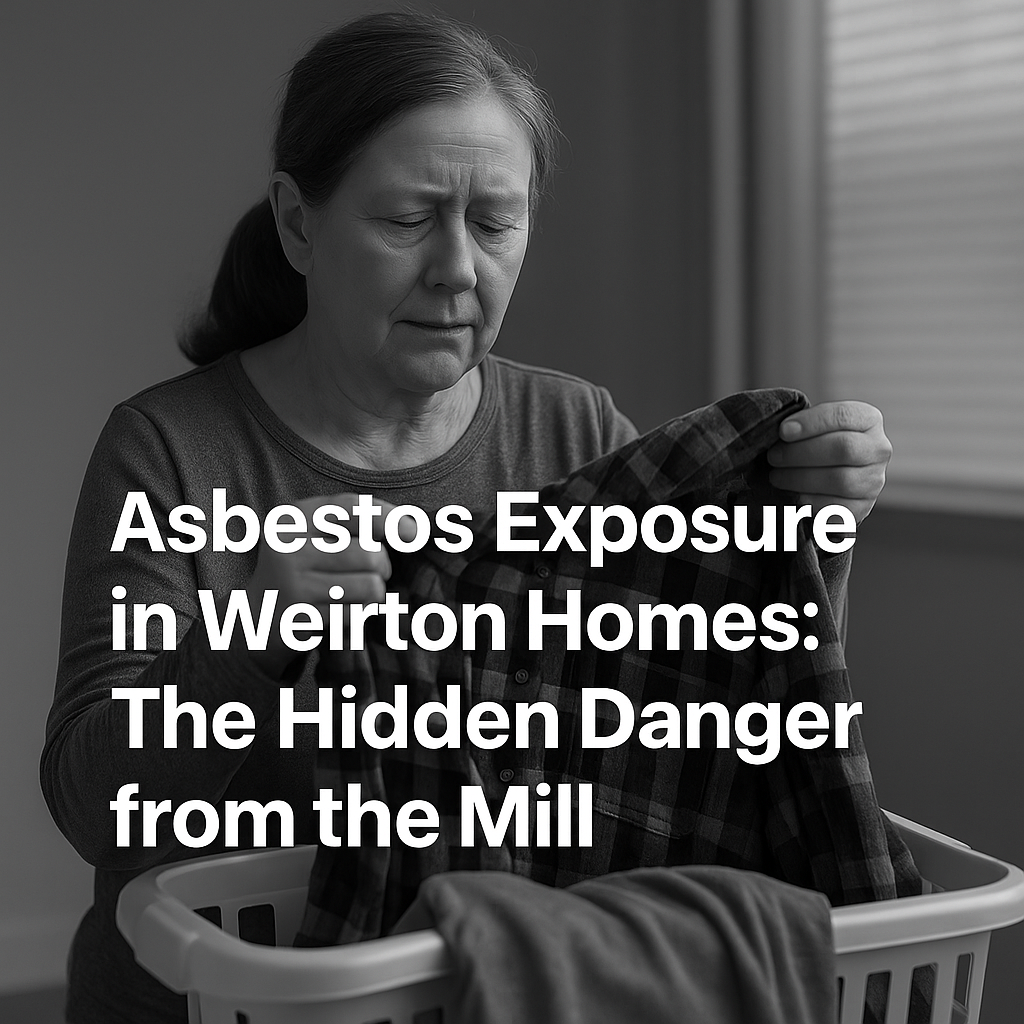
We now know that take-home asbestos exposure can be just as deadly. Spouses who shook out laundry or children who hugged their dad after work at Weirton Steel may have breathed in dangerous fibers — without ever stepping foot inside the mill.

⚖️ What You Can Do

West Virginia law allows you to pursue a claim within two years of diagnosis, even if exposure happened 40+ years ago. A successful claim can provide compensation for medical expenses, lost wages, and pain and suffering.

📄 Download the Take-Home Exposure Guide

👉 Click here to download our free legal resource on how asbestos at steel plants impacts entire families.

👨‍⚖️ Why Hire Lee W. Davis?

  • 35+ years fighting for asbestos victims in WV, PA, and OH
  • A Mesothelioma lawyer for Weirton Steel
  • Deep knowledge of Weirton Steel job sites and union trades
  • Personalized service — you deal directly with your attorney
  • No fee unless we win your case

📞 Call Today for a Free Consultation

Reach us at (412) 781-0525 or contact us online. You may be eligible for significant compensation — but your time to act may be limited.

Mesothelioma in West Virginia – Know Your Legal Rights

Mesothelioma in West Virginia

If you or a loved one was diagnosed with mesothelioma in West Virginia, you may still have a case — even if the exposure happened decades ago.

For years, West Virginia power plants, chemical facilities, aluminum plants, and steel mills relied heavily on asbestos. Workers weren’t warned about the risks. And many unknowingly carried the toxic dust home on their clothes — exposing their families.


🏭 Where Did Exposure Happen in West Virginia?

West Virginia is home to some of the most notorious asbestos sites in the country, including:

  • DuPont Washington Works – Wood County
  • Union Carbide – South Charleston & Sistersville
  • PPG Chemical Plant – Natrium
  • Mitchell, Kammer, Pleasants, Willow Island, and John Amos Power Stations
  • Ormet Aluminum – Hannibal, OH (near border)
  • Wheeling-Pitt and Weirton Steel

Even if these sites are long closed or under new names, the exposure still matters — and you may have legal options.


⚒️ Trades Most at Risk for Mesothelioma in West Virginia

Thousands of West Virginians were exposed to asbestos at work or through secondhand exposure. This includes:

  • Pipefitters
  • Boilermakers
  • Insulators
  • Welders
  • Carpenters
  • Electricians
  • Millwrights
  • Spouses and children who handled laundry

You don’t need to be the worker — just living in the same household was enough.


📥 Download the Free Legal Guide

If someone in your family worked at one of these job sites, don’t wait.

👉 Download our free Take-Home Exposure Guide

It explains what to expect, how these cases work, and what rights you may still have.


⚖️ Lee W. Davis Has Been Fighting for WV Families for 35+ Years

Attorney Lee W. Davis has represented thousands of asbestos victims in West Virginia. He knows the job sites, the claims process, and how to get real results — even decades later.

📞 Contact us now or call (412) 781-0525.

Asbestos on Work Clothes: A Hidden Danger at Home

take-home asbestos exposure

Many families in Pennsylvania and West Virginia have been harmed by take-home asbestos exposure — without ever setting foot inside a plant or mill.

This happens when a worker brings asbestos dust home on their clothing, boots, tools, or car seats. Wives, children, and other family members breathe in the fibers during laundry, cleanup, or even simple hugs. Years later, that exposure can lead to mesothelioma, a deadly cancer with no cure.


How Take-Home Asbestos Exposure Happens

In the 1960s, ’70s, and ’80s, steelworkers, pipefitters, millwrights, electricians, and chemical plant employees worked around asbestos daily. They were never warned that asbestos was dangerous — or that it could hurt the people they loved.

Their spouses washed dusty work clothes without gloves or masks. Kids sat in the front seat of a car coated with invisible fibers. Over time, that dust found its way into the lungs of entire families.


Families at Risk

You may be at risk for take-home asbestos exposure if someone in your household worked at:

Even if your loved one has passed away, you may still be eligible to file a claim.


📥 

Download the Take-Home Asbestos Exposure Guide

This free guide explains how exposure happens, how it’s proven, and what legal rights families may have.


⚖️ Help Is Available

You don’t have to go through this alone. We’ve helped families across Pennsylvania and West Virginia understand their options.


📞 Free Consultation

If you or someone you love was diagnosed with mesothelioma after secondhand exposure, call (412) 781-0525 or contact us. You may still have time to act.

When the Dust Came Home: Weirton Steel

Weirton Steel take-home asbestos

For decades, men and women clocked in at Weirton Steel and did what they thought was honest work. They carried steel, not lawsuits. They handled heat, not headlines. What no one told them—what no one warned them—was that they were also carrying something home.

Asbestos.

It was baked into the insulation, packed around the pipes, sprayed inside walls, layered over furnaces. The dust got everywhere. It stuck to clothes, hair, boots. And every night, it came home—to wives doing laundry, to kids climbing into their parents’ laps, to families just trying to live.

That’s what we now call Weirton Steel take-home asbestos exposure.
And it happened in Weirton, West Virginia—over and over again.

The workers didn’t know. Their families certainly didn’t know. But the companies? Many of them knew. And they stayed quiet.

We’ve been helping families affected by mesothelioma since before there were online searches for it—since the original mass trials when we still matched names to jobsites by hand.

If you or someone you love was diagnosed with mesothelioma—even if they never worked at the mill from Weirton Steel take-home asbestos exposure—we may already know the story. We’ve helped families from Marland Heights to Holliday’s Cove piece together where the dust came from. And who is responsible.

Take-home exposure claims are real. They’re valid. And they deserve justice.

📍 Quiet help. From someone who’s been doing this since before the word mesothelioma was widely known.

🕯️ leewdavis.com
#Weirton #Mesothelioma #AsbestosLawyer #TakeHomeExposure #WVlawyer