
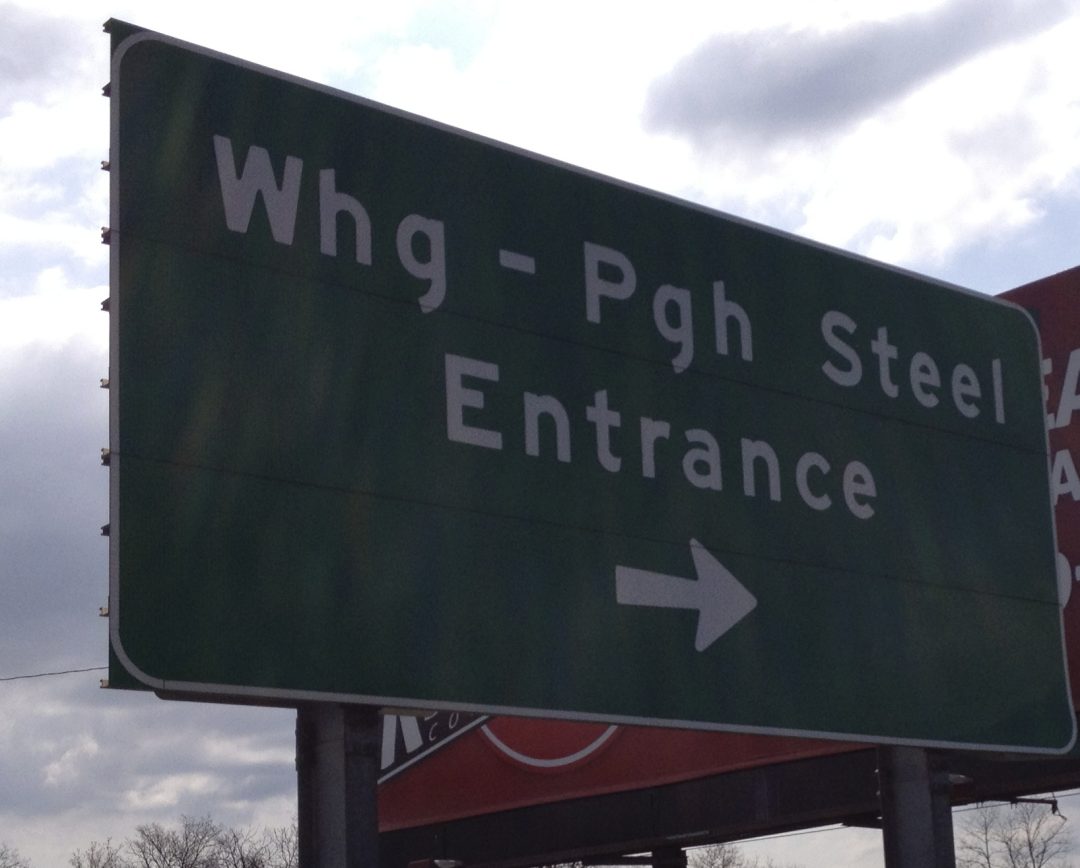
Wheeling-Pittsburgh Steel mesothelioma claims are among the most well-documented asbestos exposure cases in the Ohio Valley — and among the most personally familiar to this practice. I have represented Wheeling-Pittsburgh Steel workers since the 1990s, including workers from the Mingo Junction, Steubenville, Follansbee, Beech Bottom, and Monessen facilities, handling the product identification, exposure documentation, and litigation work that those claims require from a lawyer who knows those specific mill environments and the specific asbestos-containing products that were used in them.
Mesothelioma/Asbestos Legal Help – WV, MI & PA
Speak directly with attorney Lee W. Davis. No call centers. Free, confidential review.
If you worked at any Wheeling-Pittsburgh Steel facility and have been diagnosed with mesothelioma or lung cancer, or if a family member who worked at Wheeling-Pitt has passed away from either disease, the corporate succession history of Wheeling-Pittsburgh Steel and the documented asbestos exposure history at its facilities throughout the Ohio Valley support a viable legal claim — regardless of how many years have passed since the exposure occurred.
Wheeling-Pittsburgh Steel — The Company and Its Facilities
Wheeling-Pittsburgh Steel Corporation was one of the major integrated steel producers in the Ohio Valley, operating facilities across West Virginia, Pennsylvania, and Ohio throughout most of the twentieth century. The company traced its origins to the 1920 merger of Wheeling Steel & Iron Company and Pittsburgh Steel Company, and by mid-century operated a network of integrated steel facilities concentrated along the upper Ohio River corridor.
Steubenville, Ohio — Wheeling-Pittsburgh Steel’s Steubenville operations on the Ohio side of the river were among its most significant integrated facilities, with blast furnaces, basic oxygen furnace steelmaking, and the full range of integrated steel production infrastructure requiring asbestos-containing materials throughout.
Mingo Junction, Ohio — The Mingo Junction facility operated rolling mill and finishing operations, with the steam and utility systems, roll table insulation, and mechanical infrastructure that created asbestos exposure throughout that facility’s operational history.
Follansbee, West Virginia — The Follansbee tin mill and steel processing operations employed workers in direct contact with the asbestos-containing materials used throughout the facility’s production and utility systems across its decades of operation. See asbestos exposure at Wheeling-Pitt Follansbee for the Follansbee-specific exposure profile.
Beech Bottom, West Virginia — The Beech Bottom facility operated as part of Wheeling-Pittsburgh Steel’s West Virginia production network, with the same asbestos-containing insulation, refractory, and gasket materials present throughout its utility and production systems.
Monessen, Pennsylvania — Wheeling-Pittsburgh Steel’s Monessen operations in Westmoreland County placed the company’s asbestos exposure history in western Pennsylvania, exposing Mon Valley workers to the same asbestos-containing materials used throughout the company’s other integrated facilities.
Yorkville, Ohio — The Yorkville operations contributed to the company’s Ohio River corridor production network, with the utility and steam systems typical of Wheeling-Pittsburgh Steel’s integrated facilities throughout the region.
Corporate History — From Wheeling-Pittsburgh to WCI Steel and Beyond
The corporate history of Wheeling-Pittsburgh Steel matters directly to the legal claim — determining which entities carry asbestos liability and which trust fund and litigation pathways are available to former workers.
Wheeling-Pittsburgh Steel filed for Chapter 11 bankruptcy protection in 1985 — the first major American steel company to do so. It emerged from bankruptcy in 1991 and continued operations before filing for Chapter 11 protection again in 2000. Following its second bankruptcy, the company’s assets were acquired by WCI Steel in 2003. WCI Steel itself filed for bankruptcy in 2008, with its assets ultimately acquired by Severstal, which later sold the operations to AK Steel (now Cleveland-Cliffs).
The Wheeling-Pittsburgh Steel bankruptcy proceedings are central to the claim analysis for former workers. Unlike some steel company bankruptcies that resulted in asbestos trust fund establishment, the Wheeling-Pittsburgh Steel bankruptcy did not produce a dedicated asbestos trust on the same scale as trusts established by insulation and product manufacturers. The primary claim pathways for Wheeling-Pittsburgh Steel workers run through the asbestos bankruptcy trusts established by the product manufacturers whose insulation, refractory, gaskets, and equipment components were used at Wheeling-Pittsburgh Steel’s facilities — not through a company-specific trust.
Those product manufacturer trusts — including the trusts established by major insulation manufacturers, gasket suppliers, and refractory companies whose materials were documented at Wheeling-Pittsburgh Steel’s facilities — remain active and continue to pay valid claims from former Wheeling-Pittsburgh Steel workers.
How Asbestos Was Used Throughout Wheeling-Pittsburgh Steel Facilities
Every Wheeling-Pittsburgh Steel facility operated the integrated steel production infrastructure — blast furnaces, steelmaking furnaces, coke operations, rolling mills, and the utility steam systems serving every production department — that required asbestos-containing materials throughout the pre-1980 period.
Furnace and coke oven refractory — The blast furnaces, open hearth furnaces, basic oxygen furnaces, and coke batteries at Wheeling-Pittsburgh Steel’s integrated facilities were lined with asbestos-containing refractory materials throughout their construction and were maintained and rebuilt with asbestos-containing materials throughout their operational lives. Workers involved in furnace maintenance — particularly the refractory tear-out and rebuild work performed during planned shutdown periods — worked in direct and concentrated contact with asbestos-containing refractory materials in confined furnace environments.
Boiler and steam system insulation — The boiler systems generating steam for process heat and utility functions at Wheeling-Pittsburgh Steel’s facilities were insulated with asbestos-containing block insulation on boiler shells and asbestos pipe covering on the steam distribution systems running throughout every production department. Steam line maintenance throughout those facilities involved working with asbestos-containing insulation, gaskets, and valve packing throughout every maintenance task.
Pipe insulation and gaskets throughout the facility — The process and utility piping systems throughout Wheeling-Pittsburgh Steel’s facilities used asbestos-containing pipe insulation in high-temperature applications and asbestos-containing gaskets at the flanged connections throughout those systems. Pipefitters, maintenance mechanics, and workers responding to steam and process line leaks throughout Wheeling-Pittsburgh Steel’s facilities worked in direct contact with those asbestos-containing materials throughout their careers at the mill.
Rolling mill and finishing operations — The rolling mill equipment at Wheeling-Pittsburgh Steel’s facilities used asbestos-containing materials in roll table insulation, drive system components, and the utility systems serving the rolling mill departments. Production workers and maintenance mechanics throughout rolling mill operations accumulated ambient asbestos exposure from those materials throughout their careers.
Ladle and transfer vessel linings — Ladles, torpedo cars, and molten metal transfer vessels throughout Wheeling-Pittsburgh Steel’s steelmaking operations used asbestos-containing refractory linings that required regular replacement. Workers involved in ladle preparation and vessel lining at those facilities worked in direct contact with asbestos-containing refractory materials throughout that work.
Contractor and outside maintenance work — Wheeling-Pittsburgh Steel’s facilities employed outside contractors for major maintenance, insulation work, and shutdown projects throughout the company’s operational history. Contract pipefitters, insulators, boilermakers, and maintenance workers dispatched to Wheeling-Pittsburgh Steel facilities accumulated asbestos exposure from the full range of asbestos-containing materials present at those facilities during their contract work.
Check If Your Family Was Exposed
Get your free guide instantly + a confidential case review.
🔒 100% Confidential. No obligations.
Workers Most Commonly Involved in Wheeling-Pittsburgh Steel Mesothelioma Claims
Pipefitters and steamfitters — Workers who maintained the steam and process piping systems throughout Wheeling-Pittsburgh Steel’s facilities, working in direct contact with asbestos-containing pipe insulation, gaskets, and valve packing throughout their careers.
Boilermakers — Workers who built, maintained, and rebuilt the boiler systems and pressure vessels at Wheeling-Pittsburgh Steel’s facilities, performing the most fiber-intensive maintenance work at those sites during boiler overhauls and furnace rebuilds.
Insulators — Workers who applied and removed the asbestos-containing insulation on Wheeling-Pittsburgh Steel’s steam systems and process equipment, with the most direct fiber exposure of any trade at the facilities.
Millwrights — Plant millwrights maintaining the mechanical systems and equipment throughout Wheeling-Pittsburgh Steel’s production departments on a plant-wide basis, accumulating asbestos exposure from gaskets, packing, and ambient fiber throughout every area they worked.
Steelworkers and production workers — Production workers throughout Wheeling-Pittsburgh Steel’s blast furnace, steelmaking, rolling mill, and finishing departments who accumulated ambient asbestos exposure from the refractory, insulation, and gasket materials present throughout their work environments across careers spanning decades.
Electricians — Workers who maintained the electrical systems throughout Wheeling-Pittsburgh Steel’s facilities, encountering asbestos-containing electrical components and accumulating bystander exposure from insulation work occurring throughout the facility during their careers.
Outside contractors — Contract workers dispatched to Wheeling-Pittsburgh Steel’s facilities for maintenance, insulation, and shutdown work, accumulating concentrated asbestos exposure during the outage periods when fiber release throughout the facility was highest.
Take-Home Asbestos Exposure — Wheeling-Pittsburgh Steel Families
Workers at Wheeling-Pittsburgh Steel’s facilities carried asbestos fibers home on their work clothing throughout the exposure era. Spouses who laundered that clothing and family members who lived in the same household accumulated secondary asbestos exposure that has produced mesothelioma and lung cancer diagnoses in family members who never entered a Wheeling-Pittsburgh Steel facility. See take-home asbestos cases for more on secondary exposure claims from Wheeling-Pittsburgh Steel families.
Related Ohio Valley Asbestos Exposure Resources
For the Weirton Steel mesothelioma profile — a distinct Ohio Valley steel operation with its own documented exposure history — see Weirton Steel mesothelioma lawyer. For the broader West Virginia mesothelioma legal framework see West Virginia mesothelioma lawyer. For Ohio County and Wheeling area asbestos exposure resources see Ohio County mesothelioma lawyer and Ohio County asbestos exposure. For the Follansbee-specific Wheeling-Pittsburgh Steel exposure profile see asbestos exposure at Wheeling-Pitt Follansbee. For the Pennsylvania mesothelioma framework covering the Monessen operations see Pennsylvania mesothelioma lawyer. For the take-home exposure profile for Wheeling-Pittsburgh Steel families see take-home asbestos cases. For West Virginia asbestos exposure job sites see asbestos job sites in West Virginia.
Knowledge of Wheeling-Pittsburgh Steel Asbestos Cases Since 1988
I began researching Ohio Valley asbestos cases in 1988, working as a paralegal on the original West Virginia asbestos mass trials — cases that included workers from Wheeling-Pittsburgh Steel’s facilities throughout the Ohio River corridor. I was licensed in Pennsylvania in 1996 and in West Virginia in 2002. I have personally represented Wheeling-Pittsburgh Steel workers from the Mingo Junction, Steubenville, Follansbee, and Monessen facilities since my return to Pittsburgh in 1999, building the product identification records and exposure narratives that those claims require from a lawyer with firsthand knowledge of those specific mill environments and the asbestos-containing products documented at each facility.
When you call, you speak directly with me. No call centers. No case managers.
West Virginia’s statute of limitations runs from the date of diagnosis. Pennsylvania’s statute of limitations runs from the date of diagnosis. Neither runs from the date of exposure at Wheeling-Pittsburgh Steel decades ago.
Call (412) 781-0525 or start your confidential case review online now.
Frequently Asked Questions
Q: I worked at the Wheeling-Pittsburgh Steel facility in Mingo Junction in the 1960s and 1970s and have just been diagnosed with mesothelioma. The mill has been closed for years. Can I still file a claim?
A: Yes. Wheeling-Pittsburgh Steel mesothelioma claims are filed against the manufacturers of the asbestos-containing products used at the mill — the insulation manufacturers, gasket suppliers, and refractory companies whose materials created your exposure throughout your career at Mingo Junction. Those product manufacturers are the defendants, not Wheeling-Pittsburgh Steel itself. Many of those manufacturers established asbestos bankruptcy trust funds that remain active today. The mill being closed and the company having gone through bankruptcy does not bar claims against the product manufacturers whose materials caused your exposure. Call to discuss your specific work history and diagnosis.
Q: My father worked at the Wheeling-Pittsburgh Steel Monessen facility in Pennsylvania for thirty years and died from mesothelioma. Can our family file a wrongful death claim?
A: Yes — and timing matters. Pennsylvania wrongful death claims run from the date of death, not the date of diagnosis or the date of exposure. Call as soon as possible so we can evaluate your father’s Monessen work history, identify the applicable product manufacturer defendants and trust funds, and file before the wrongful death deadline passes. The Monessen operations are covered under Pennsylvania law, and I have handled mesothelioma claims from Monessen-area steel workers throughout my practice.
Q: I worked as a contract pipefitter dispatched to Wheeling-Pittsburgh Steel during shutdowns at several of their facilities. Does that short-term contract work history support a mesothelioma claim?
A: Yes, potentially. Contract pipefitters dispatched to Wheeling-Pittsburgh Steel facilities during shutdown and maintenance periods performed some of the most asbestos-intensive work at those sites — stripping pipe insulation, breaking open flanged connections with asbestos gaskets, and working throughout the facility during peak fiber release conditions. Short-duration contract work during Wheeling-Pittsburgh Steel shutdown periods can produce greater total fiber exposure than years of production work in less maintenance-intensive roles. Call to discuss your specific contract work history at Wheeling-Pittsburgh Steel facilities and your diagnosis.
Mesothelioma/Asbestos Legal Help – WV, MI & PA
Speak directly with attorney Lee W. Davis. No call centers. Free, confidential review.