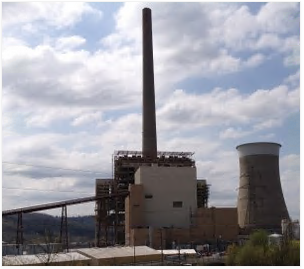
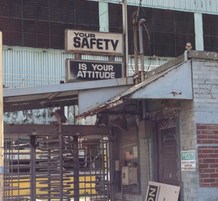
Mitchell Power Station Mesothelioma Lawyer Lee Davis can help if you or a loved one worked at Mitchell Power Station south of Moundsville, WV as a plant employee or as a union tradesman, and has been diagnosed with mesothelioma, you deserve justice Mesothelioma is a serious illness caused by asbestos exposure and it can take years to manifest even after brief exposures But there is something you can do. You can hire Lee Davis who has more than 25 years experience with Mitchell Power Station mesothelioma cases for power plant employees and union tradesmen like insulators, pipefitters, millwrights, electricians and boilermakers and he will fight for your rights and help you get the compensation you deserve.
If you believe you or a loved one has been harmed by Asbestos at Mitchell Power Station, don’t let the companies that caused your suffering get away with it. Contact Lee today for a free consultation. has been fighting for the rights of mesothelioma victims for over 25 years. We know the companies that exposed workers to asbestos and we know how to hold them accountable. it is important to talk to an experienced Mesothelioma Lawyer, Call Lee Davis now for a Free No Obligation, In Depth Case Call Lee at 412-781-0525 or email Lee directly at ldavis@leewdavis.com.
Mt. Storm Mesothelioma Lawyer Lee Davis can help if you or a loved one worked at Mount Storm Power Station in Mt. Storm, WV as a plant employee or as a union tradesman, and has been diagnosed with mesothelioma, you deserve justice Mesothelioma is a serious illness caused by asbestos exposure and it can take years to manifest even after brief exposures. But there is something you can do. You can hire Lee Davis who has more than 25 years experience as a Mt. Storm Mesothelioma Lawyer for power plant employees and union tradesmen like insulators, pipefitters, millwrights, electricians, and boilermakers and he will fight for your rights and help you get the compensation you deserve.
Mesothelioma is a devastating and often fatal disease that is caused by exposure to asbestos. Unfortunately, many workers at the Mount Storm Power Station in Mt. Storm, WV were unknowingly exposed to asbestos during their employment, putting them at risk of developing this deadly disease. If you or a loved one worked at this power station and have been diagnosed with mesothelioma, it is important to seek legal representation.
Don’t let the companies that caused your suffering get away with it. Contact Lee today for a free consultation. has been fighting for the rights of mesothelioma victims for over 25 years. We know the companies that exposed workers to asbestos and we know how to hold them accountable. it is important to talk to an experienced Mesothelioma Lawyer, Call Lee Davis now for a Free No Obligation, In Depth Case Call Lee at 412-781-0525 or email Lee directly at ldavis@leewdavis.com.
If you or a loved one worked at Cardinal Power Station in Brilliant, OH as a plant employee or as a union tradesman, and has been diagnosed with mesothelioma, you deserve justice.
Mesothelioma is a serious illness caused by exposure and it can take years to manifest even after brief exposures. But there is something you can do. You can hire Lee Davis who has more than 25 years experience with mesothelioma cases for employees and union tradesmen to help build a strong case for you and he will fight for your rights and help you get the compensation you deserve. Lee has the experience to help you establish a strong case. Don’t suffer in silence. Get the personalized service you deserve.
Lee offers far more than just a book, he offers his years of experience working cases from Cardinal Power Station in Brilliant, OH to help you. If you believe you or a loved one has been harmed by Asbestos at Cardinal Power Station in Brilliant, OH it is important to talk to an experienced Mesothelioma Lawyer, Call Lee Davis now for a Free No Obligation, In Depth Case Call Lee at 412-781-0525 or email Lee directly at ldavis@leewdavis.com.
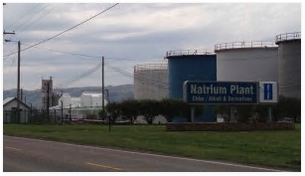
PPG Natrium Mesothelioma Lawyer Lee W. Davis helps victims and their families if you or a loved one worked at PPG in Natrium, WV as a plant employee or as a union tradesman, and has been diagnosed with mesothelioma, you deserve justice. Mesothelioma is a serious illness caused by asbestos exposure and it can take years to manifest even after brief exposures. But there is something you can do. You can hire Lee Davis who has more than 25 years experience with PPG Natrium mesothelioma cases for employees and union tradesmen to help build a strong case for you and he will fight for your rights and help you get the compensation you deserve. Don’t suffer in silence. Contact Lee now. Lee offers far more than a book. He offers the local knowledge about PPG Natrium from past successful cases brought on behalf of victims. Often trades work many jobsites and locations performing insulating, boilermaking, pipefitting, steamfitting, millwright and electrician work.
If you believe you or a loved one has been harmed by Asbestos at PPG Natrium it is important to talk to an experienced Mesothelioma Lawyer, Call Lee Davis now for a Free No Obligation, In Depth Case Call Lee at 412-781-0525 or email Lee directly at ldavis@leewdavis.com.
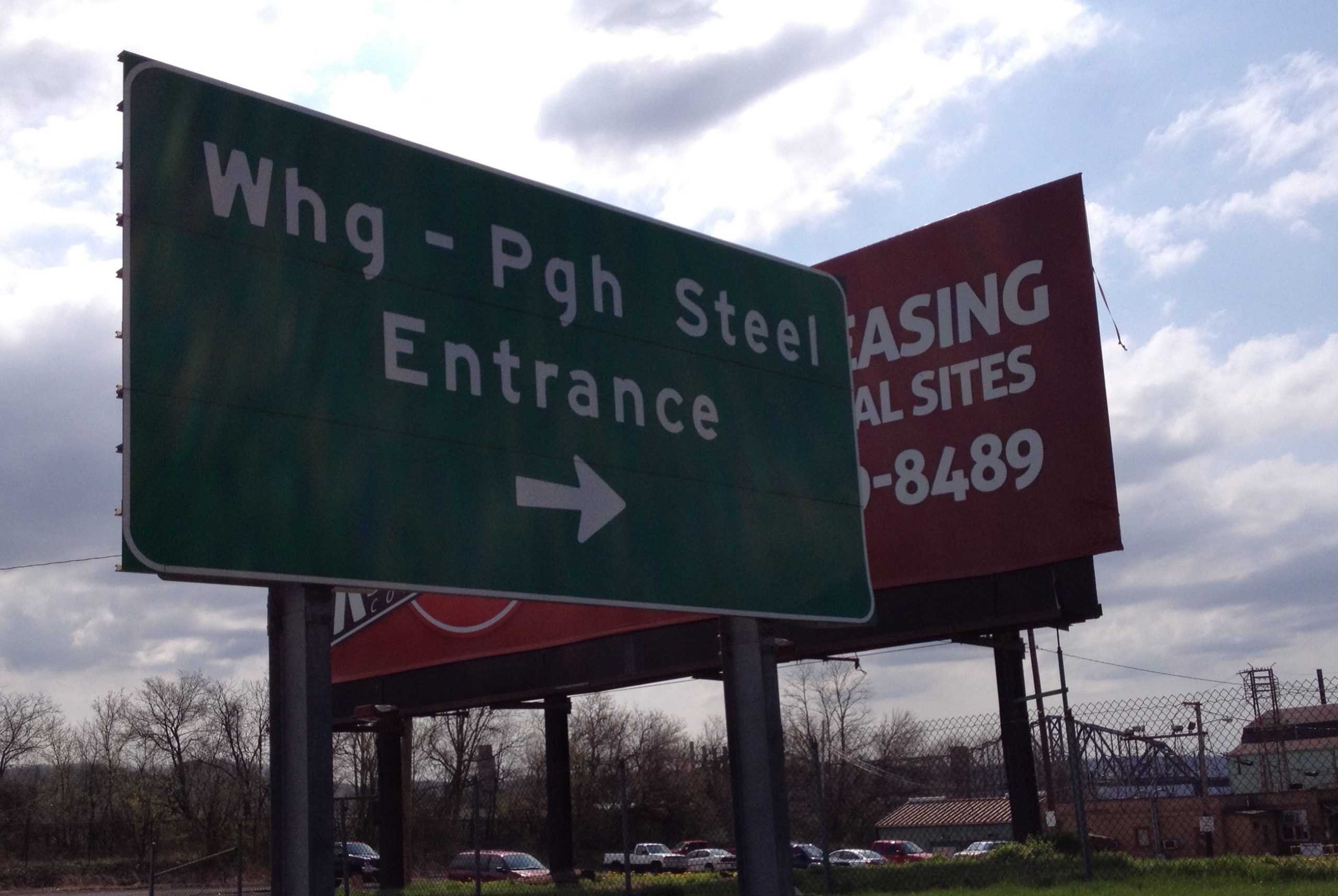
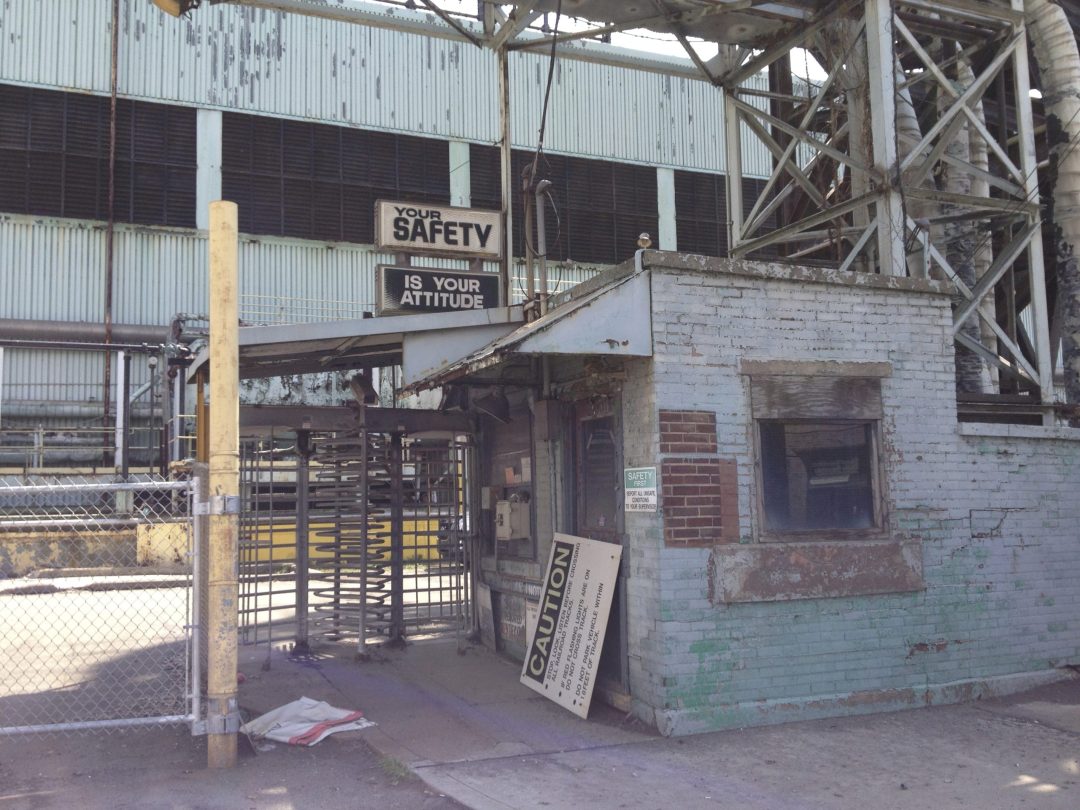
Wheeling Pittsburgh Steel Mesothelioma Lawyer Lee Davis can help you or a loved one who worked in Follansbee, WV or Steubenville, OH and have been diagnosed with mesothelioma, you deserve justice. Mesothelioma is a serious illness caused by asbestos exposure, which was used in the steel industry for decades. It can take years to manifest.But there is something you can do. You can hire Lee Davis who has more than 25 years experience with Wheeling Pitt mesothelioma cases to build a strong case for you and he will fight for your rights and help you get the compensation you deserve. Don’t suffer in silence. Contact Lee now and get the personal service and justice you deserve.a case of Mesothelioma. Far more than offering book, Lee offers local knowledge, insight and experience of Wheeling Pittsburgh Steel. Lee offers personalized service that you cannot receive from a large national or regional firm.
If you believe you or a loved one has been harmed by Asbestos at Wheeling Pittsburgh Steel it is important to talk to an experienced Mesothelioma Lawyer, Call Lee Davis now for a Free No Obligation, In Depth Case Call Lee at 412-781-0525 or email Lee directly at ldavis@leewdavis.com.
If you or a loved one worked at Weirton Steel in Weirton, WV and have been diagnosed with mesothelioma, you are not alone—and you deserve justice. For decades, steelworkers at this facility were exposed to asbestos through insulation, machinery, and building materials. Weirton Steel Mesothelioma Lawyer Lee Davis has been representing Weirton families since 1988, starting as a paralegal during the original asbestos mass trials in West Virginia.
Watch: What You Need to Know About Weirton Steel Asbestos Exposure
Video Summary: In this video, Lee Davis explains how asbestos was used in the Weirton Steel plant, the types of workers most at risk, and how families were unknowingly exposed through take-home asbestos exposure. He outlines your legal rights and what to expect when filing a claim.
Asbestos Exposure at Weirton Steel
Weirton Steel, once part of National Steel Corporation, was one of the largest private employers in West Virginia. Asbestos was used extensively in:
High-temperature machinery insulation
Pipe coverings and gaskets
Boilers and blast furnaces
Fireproofing materials in walls and ceilings
Workers including pipefitters, electricians, maintenance crews, millwrights, and insulators were regularly exposed. Many unknowingly brought fibers home on their clothing, leading to take-home exposure among family members.
Take-Home Exposure and Family Risk
Family members of Weirton Steel employees have also developed mesothelioma due to secondary exposure. This occurs when asbestos fibers are carried into the home on clothing, skin, or hair. Lee Davis represents both primary and secondary exposure victims.
Why Choose Lee Davis
Over 25 years handling asbestos cases in West Virginia
Deep knowledge of Weirton Steel job site and plant history
Experience in both primary and take-home exposure cases
One-on-one attention—you speak directly with Lee, not a call center
Unlike large national firms, Lee Davis brings a personal, compassionate approach backed by decades of results.
Weirton Steel Asbestos & Mesothelioma FAQs
Can I file a mesothelioma lawsuit if I worked at Weirton Steel?
Yes. Former Weirton Steel workers who developed mesothelioma due to asbestos exposure may be eligible to file a legal claim. Lee Davis has represented Weirton families for over 25 years in asbestos-related cases.
What types of jobs at Weirton Steel had the highest asbestos exposure?
Employees in maintenance, pipefitting, electrical, and millwright positions were often exposed to asbestos insulation, gaskets, and high-temperature machinery.
Can family members affected by take-home asbestos exposure also file a claim?
Yes. If a family member developed mesothelioma after being exposed to asbestos fibers brought home on work clothing or gear, they may have a valid claim.
Why hire Lee Davis for a Weirton mesothelioma case?
Lee Davis has deep experience with asbestos litigation in West Virginia. He started as a paralegal in the original mass trials and offers local insight into Weirton Steel job sites, exposure risks, and legal pathways.
Start Your Case – Free Confidential Consultation
Call Lee Davis at 412-781-0525 today for a confidential consultation. There are no fees unless compensation is recovered. Or contact us online to get started.
If you or a loved one has been diagnosed with mesothelioma in Michigan, it’s important to speak with a lawyer who specializes in asbestos litigation. Michigan has a long history of asbestos use in a variety of industries, including construction, manufacturing, and shipbuilding, which means that many workers in the state have been exposed to asbestos fibers and are at risk of developing mesothelioma and other asbestos-related diseases.
A Michigan mesothelioma lawyer can help you understand your legal rights and options and assist you in pursuing compensation for your losses. They can help you file an asbestos exposure lawsuit against the companies that manufactured, supplied, or used the asbestos-containing materials that caused your exposure. These lawsuits can help you and your family recover compensation for your medical expenses, lost wages, and pain and suffering.
It’s important to note that mesothelioma lawsuits can be complex and time-consuming, so it’s essential to work with an experienced attorney who specializes in asbestos litigation. An attorney can help you gather evidence, navigate the legal process, and negotiate with the companies responsible for your exposure.
If you or a loved one has been diagnosed with mesothelioma in Michigan, it’s essential to speak with a lawyer as soon as possible. Many states have statutes of limitation, which means that you have a limited time to file a lawsuit after your diagnosis. An attorney can help ensure that you meet the deadlines and can help you get the compensation you deserve.
In conclusion, if you or a loved one has been diagnosed with mesothelioma in Michigan, it’s important to speak with a Michigan mesothelioma lawyer who specializes in asbestos litigation. An attorney can help you understand your legal rights and options and assist you in pursuing compensation for your losses. It’s important to act quickly as many states have statutes of limitation and you have a limited time to file a lawsuit after your diagnosis.
Asbestos exposure at Weirton Steel concern for is a serious many workers in Weirton, West Virginia. Asbestos, a naturally occurring mineral, was widely used in the steel industry for insulation and fireproofing, as well as in other materials used in the steelmaking process. As a result, workers at Weirton Steel were at risk of inhaling asbestos fibers, which can lead to the development of mesothelioma and other asbestos-related diseases.
Weirton Steel, which was founded in 1909, was one of the largest steel mills in the state of West Virginia. The mill employed thousands of workers over the years, many of whom were exposed to asbestos on a daily basis. These workers included furnace operators, maintenance workers, electricians, pipefitters, and boilermakers, among others.
The dangers of asbestos exposure were known for decades, but it wasn’t until the late 1970s that the use of asbestos in the steel industry began to be phased out. Despite this, many workers at Weirton Steel were likely exposed to asbestos before measures were put in place to protect them.
The effects of asbestos exposure can take decades to develop, and by the time symptoms appear, the disease is often in advanced stages. Mesothelioma, a rare and aggressive cancer caused by asbestos exposure, typically affects the lining of the lungs, but can also affect the lining of the abdomen and heart. Symptoms of mesothelioma include shortness of breath, chest pain, and coughing.
Workers at Weirton Steel who have been diagnosed with mesothelioma and other asbestos-related diseases may have legal options available to them. They may be eligible to file an asbestos exposure lawsuit against the companies that manufactured, supplied, or used the asbestos-containing products at Weirton Steel.
It’s important to note that asbestos exposure lawsuits can be complex and time-consuming, so it’s essential to consult with an experienced West Virginia Mesothelioma lawyer. Lee has more than 30 years investigating Mesothelioma and asbestos related cancer cases in West Virginia.
Pipefitters are one of the many occupational groups at risk of asbestos exposure and the development of mesothelioma, a rare and aggressive cancer caused by exposure to asbestos. Asbestos was commonly used in the construction industry, including in pipefitting, as it was an effective insulator and fire-retardant material.
Asbestos Exposed Pipefitters who worked with or around asbestos-containing materials such as insulation, gaskets, and pipe coverings, were at risk of inhaling asbestos fibers, which can lead to mesothelioma, lung cancer, and asbestosis. Unfortunately, the effects of asbestos exposure can take decades to develop, and by the time symptoms appear, the disease is often in advanced stages.
Pipefitters who have been diagnosed with mesothelioma and other asbestos-related diseases may have legal options available to them. They may be eligible to file an asbestos exposure lawsuit against the companies that manufactured, supplied, or used the asbestos-containing materials. These lawsuits can help pipefitters and their families to recover compensation for their medical expenses, lost wages, and pain and suffering.
It’s important to note that asbestos exposure lawsuits can be complex and time-consuming, so it’s essential to consult with an experienced mesothelioma attorney who specializes in asbestos litigation. An attorney can help you understand your legal options, gather evidence, and navigate the legal process to ensure that you get the compensation you deserve.
In conclusion, pipefitters who have been exposed to asbestos may be at risk of developing mesothelioma and other asbestos-related diseases. They may be eligible to file an asbestos exposure lawsuit against the companies responsible for their exposure, seeking compensation for their losses. It’s important to consult with an experienced mesothelioma attorney who specializes in asbestos litigation to understand your legal options and to ensure that you get the compensation you deserve. Call Lee Davis now for the personalized service you deserve at 412-781-0525.
The Daily Show’s Trevor Noah discusses the Johnson & Johnson Texas Two Step. Much like Purdue Pharma, J&J is trying to shield their knowledge that baby powder had asbestos contamination dating back to 1957.
Johnson & Johnson files for bankruptcy in the hopes of getting out of lawsuits after customers claimed their baby powder gave them cancer – and it’s actually working. This tactic has been used successfully by Georgia Pacific and other companies with asbestos liability for their past sale, use, installation and removal of asbestos with the knowledge it could be harmful if the fibers become airborne and breathed by people.
The use of baby powder often occurs in the bathroom, a small confined space and daily use has been linked to various asbestos related cancers including mesothelioma and ovarian cancer. The Johnson & Johnson Texas Two Step allows J&J to file chapter 11 for it’s newly formed company LTL, LLC, a Texas company and pursue bankruptcy in North Carolina Federal Bankruptcy Court.
The North Carolina Bankruptcy Court has to decide whether allow the bankruptcy to proceed or send the entire case to Delaware for more litigation on the issue.
Johnson and Johnson has lost many courtroom battles over asbestos in baby powder causing injury, but J&J has won some of the courtroom battles as well.