Workers and families across West Virginia continue to face the devastating effects of mesothelioma caused by asbestos exposure in power plants, steel mills, chemical facilities, manufacturing plants, and industrial job sites. This category brings together all mesothelioma-specific information for West Virginia residents, including county-level legal resources, jobsite histories, worker-specific exposure risks, and guidance on filing a mesothelioma lawsuit in WV.
Attorney Lee W. Davis has handled West Virginia asbestos and mesothelioma cases since 1988, including thousands of jobsite and take-home exposure claims throughout the state. Here you’ll find detailed articles covering mesothelioma claims in counties such as Kanawha, Ohio, Marshall, Wood, Harrison, Monongalia, and beyond—along with resources for former workers at facilities like Weirton Steel, Kammer and Mitchell Power Plants, DuPont, Mobay/Bayer, and multiple chemical and utility sites across WV.
This category is designed to help individuals diagnosed with mesothelioma understand their legal rights, how compensation works in West Virginia, what evidence strengthens a claim, and how long families have to file. Every post provides practical, WV-focused guidance, whether you or a loved one worked in a powerhouse, steel facility, refinery, or other asbestos-contaminated jobsite.
If you have been diagnosed with mesothelioma in West Virginia, you can request a free consultation directly with Attorney Davis—no call centers, no intake layers, just direct legal help from a lawyer with decades of WV mesothelioma experience.
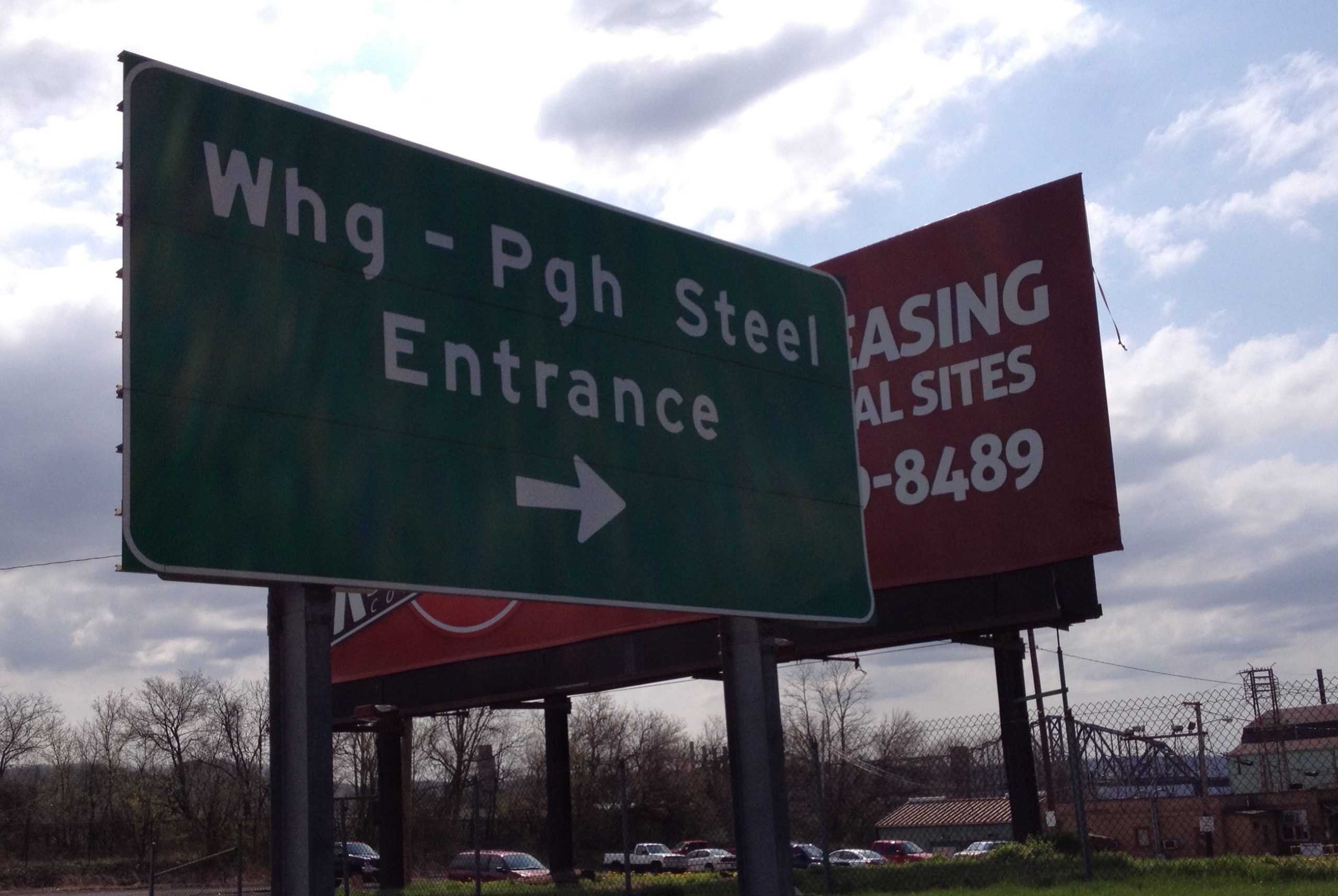
Wheeling Pittsburgh Steel Mesothelioma Lawyer Lee Davis can help you or a loved one who worked in Follansbee, WV or Steubenville, OH and have been diagnosed with mesothelioma, you deserve justice. Mesothelioma is a serious illness caused by asbestos exposure, which was used in the steel industry for decades. It can take years to manifest.But there is something you can do. You can hire Lee Davis who has more than 25 years experience with Wheeling Pitt mesothelioma cases to build a strong case for you and he will fight for your rights and help you get the compensation you deserve. Don’t suffer in silence. Contact Lee now and get the personal service and justice you deserve.a case of Mesothelioma. Far more than offering book, Lee offers local knowledge, insight and experience of Wheeling Pittsburgh Steel. Lee offers personalized service that you cannot receive from a large national or regional firm.
If you believe you or a loved one has been harmed by Asbestos at Wheeling Pittsburgh Steel it is important to talk to an experienced Mesothelioma Lawyer, Call Lee Davis now for a Free No Obligation, In Depth Case Call Lee at 412-781-0525 or email Lee directly at ldavis@leewdavis.com.
The duties of a millwright probably include those tasks that many people take for granted. For example, when one has the opportunity to observe a shiny new factory, a refinery, a steel plant, or something similar, it’s usually in a state of completion and ready to run. However, it’s the nation’s millwrights that are largely responsible for putting together those operations.
In the early days, a millwright was a tradesman who worked on watermills and windmills, mostly with wood. It was from these duties that the millwright got his name. Millwrights of the Industrial Revolution often found themselves toiling in textile mills. As the 20th century rolled in, these craftsmen were charged with the tasks of working with steel and other metals/materials to install industrial machinery or to assemble that machinery from pre-fabricated parts. These machines might include escalators, conveyor systems, turbines, generators, and more.
You’ll find millwrights in a variety of industries, including:
• Steel mills
• Refineries
• Assembly plants
• Power stations
• Print shops
• Mining operations
Millwrights undergo a great deal of training for their trade and must be skilled in reading blueprints and schematics. These days, millwrights also take several courses in safety. Perhaps those courses would have come in handy during the years when asbestos was in use.
Millwrights and Asbestos Exposure
In the years before about 1975, many of the parts millwrights used in the assembly of heavy machinery were made of asbestos, coated with it, or contained asbestos materials. These included items such as gaskets, valves, and insulation. On the job, they may have also come in contact with other items containing asbestos, such as asbestos tiles or asbestos-containing plaster, cement, or drywall.
Millwrights often used tools that may have compromised the asbestos materials. Grinders, blow torches, welding rods – all of those tools most likely damaged or altered the asbestos materials in a way that caused toxic dust to permeate the air. But because it was necessary for the millwright’s work to be exacting, tight fit was essential as was fireproofing, and asbestos was hardly ever left the way it was found.
Furthermore, when millwrights were charged with the task of repair or removal of machinery containing asbestos, more exposure occurred. Anyone in the vicinity of such work may have inhaled dangerous dust when insulation was stripped from a boiler, for example, or coated materials had to be forcibly removed.
Why Weren’t Millwrights Protected?
As with other occupations exposed to asbestos on-the-job, millwrights were often “sold a bill of goods”, so to speak. For decades, workers were told that asbestos was safe, despite the fact that lawsuits from recent years have uncovered memos from company doctors noting disturbing health problems among those who were exposed to the toxic mineral on a regular basis.
As such, millwrights thought nothing of working in tight, poorly-ventilated spaces where asbestos was present. Often, they went home with the dust on their hair and clothes, exposing their families to asbestos as well.
Furthermore, even when more evidence became available about the dangers of asbestos, millwrights were not provided with respirators or any other sort of protective clothing while working. The result was a generation or two of millwrights who have already developed asbestosis or mesothelioma, or may still be likely to be diagnosed with some sort of asbestos-caused illness.
If you or a loved one was a millwright and are now suffering from mesothelioma, it’s time to learn more about legal rights for compensation. Many millwrights have already been compensated for their injuries. It’s your turn!

 The duties of a millwright probably include those tasks that many people take for granted. For example, when one has the opportunity to observe a shiny new factory, a refinery, a steel plant, or something similar, it’s usually in a state of completion and ready to run. However, it’s the nation’s millwrights that are largely responsible for putting together those operations.