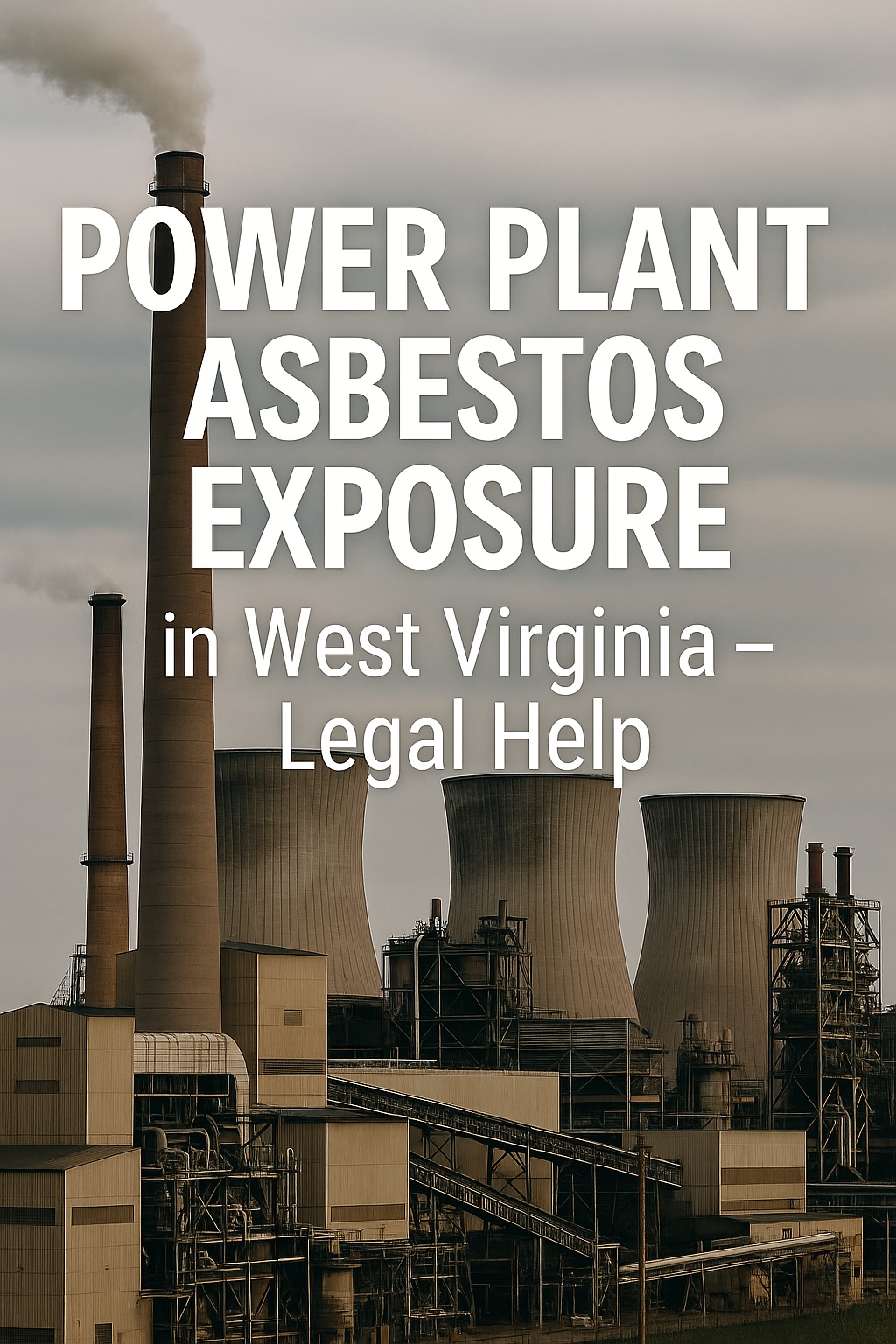
Asbestos exposure remains a major cause of lung cancer among workers across West Virginia, especially those employed in power plants, chemical facilities, steel mills, manufacturing sites, refineries, and industrial job locations throughout the state. This category brings together all WV-specific information related to asbestos lung cancer, including jobsite exposure histories, worker-specific risk profiles, county-level resources, and guidance on pursuing an asbestos lung cancer claim in West Virginia.
Attorney Lee W. Davis has represented West Virginia workers and families affected by asbestos exposure since 1988, handling thousands of claims tied to powerhouses, steel operations, chemical plants, coal-related facilities, and heavy industry. These articles provide detailed exposure information for sites such as Wheeling-Pittsburgh Steel, Mount Storm, Mitchell Power Station, DuPont Washington Works, Bayer/Mobay, Weirton-area industrial facilities, and numerous job locations across WV’s industrial corridor.
This category is designed to help workers understand how asbestos exposure leads to lung cancer, what types of work create the highest risk, what evidence strengthens a legal case, and how the West Virginia claim process works. Whether you were a pipefitter, boilermaker, electrician, maintenance worker, laborer, or chemical operator, you will find relevant, job-focused information specific to WV worksites and WV asbestos laws.
If you or a loved one has been diagnosed with lung cancer and previously worked around asbestos in West Virginia, you may be eligible for significant compensation. Attorney Davis offers a free consultation, providing direct legal guidance—no call centers, no staff layers, just focused representation from a lawyer with decades of WV asbestos litigation experience.
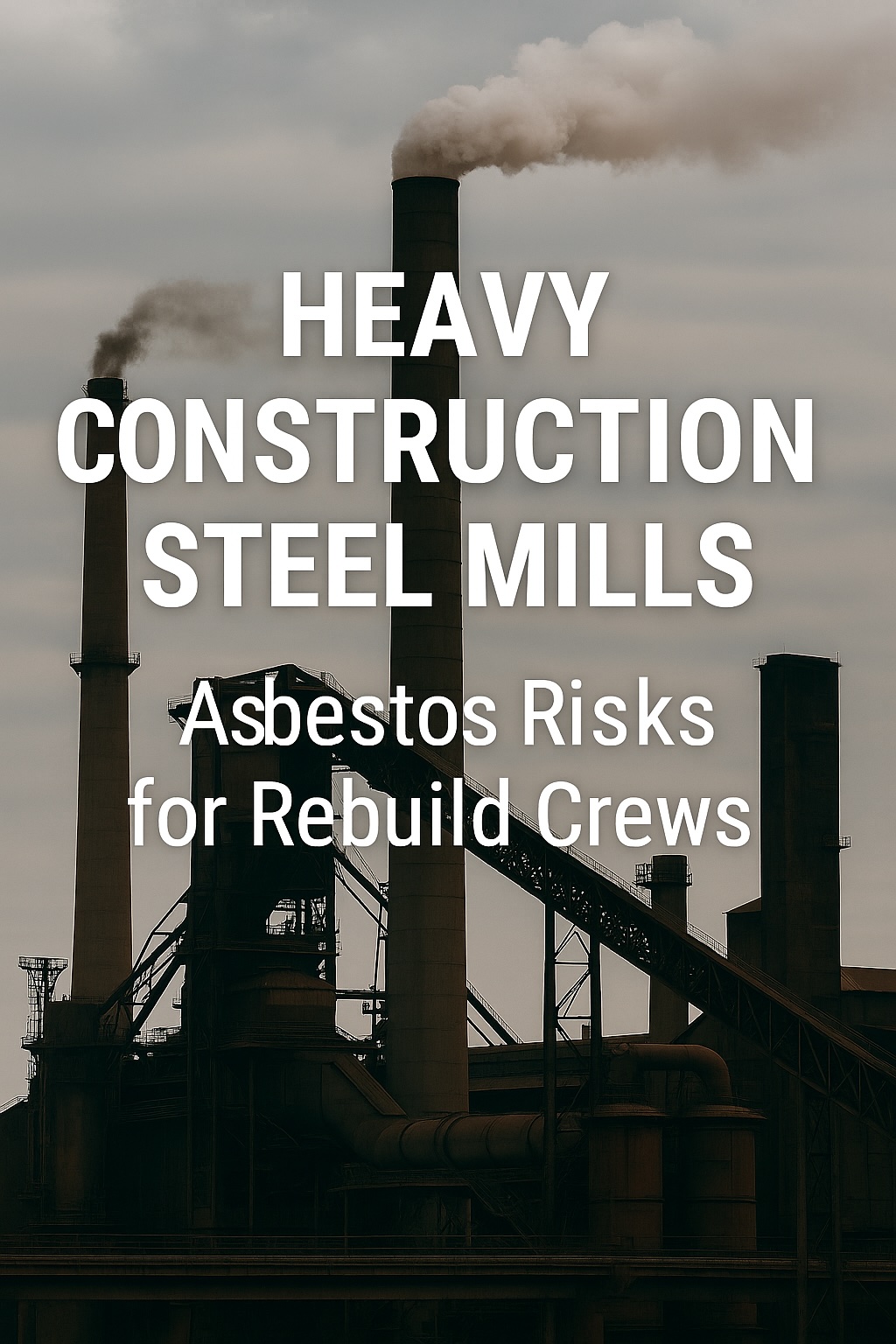
Heavy construction crews working in steel mills across West Virginia—especially at places like Weirton Steel—faced some of the most dangerous asbestos exposure conditions in the industrial era. These workers weren’t typical plant employees. They were brought in to rebuild massive structures like coke batteries, overhead cranes, boilers, and blast furnaces. And almost every one of those jobs involved disturbing asbestos.
Why Heavy Construction Steel Mills Were So Hazardous
During mill shutdowns or major overhauls, construction contractors were hired to demolish and rebuild entire sections of the plant. These included high-heat environments where asbestos was used to insulate:
Refractory brick linings
Crane brakes and housings
Hot tops, ladles, and pouring spouts
Industrial boilers and turbines
Pipe coverings, block insulation, and cement
When these systems were torn out and replaced, clouds of asbestos dust were released into the air—putting everyone on the job at risk, from the crane riggers to the cleanup crew.
Crews were often bussed in from other counties, and few wore proper protective gear. Many brought the dust home on clothing, exposing wives and children in the process. These cases of take-home asbestos exposure continue to surface decades later.
If you or a loved one worked on a heavy construction crew at a steel mill in West Virginia and later developed mesothelioma or another asbestos-related illness, legal help is available. The Law Offices of Lee W. Davis can help you identify responsible companies and pursue compensation.
Call (412) 781-0525 or contact us online for a free consultation. No fee unless we win.
Check If Your Family Was Exposed
Get your free guide instantly + a confidential case review.
A mesothelioma lawyer West Virginia residents trust must understand the state’s unique jobsite history and legal environment. From power plants and steel mills to chemical factories and refineries, asbestos exposure in West Virginia has left a devastating legacy. If you or a loved one was diagnosed with mesothelioma, legal action may help you obtain compensation—and protect your family’s future.
Why You Need a Mesothelioma Lawyer in West Virginia
Asbestos litigation in West Virginia isn’t new. In fact, the state was at the epicenter of the original mass asbestos trials in the 1990s. Choosing a West Virginia mesothelioma lawyer who knows the specific plants, unions, and exposure routes makes a difference.
Our firm has decades of experience helping families from Huntington to Weirton and Clarksburg to Parkersburg. Whether the exposure came from on-the-job work or take-home asbestos dust, you may be entitled to compensation through lawsuits, settlements, or asbestos bankruptcy trusts.
Every case is different, but timing is critical. The statute of limitations in WV is typically 2 years from diagnosis or death.
Contact a Mesothelioma Lawyer West Virginia Families Trust
There are no upfront costs. If you’ve been diagnosed with mesothelioma or lost a family member to asbestos, we offer:
Free case reviews
No fees unless we recover compensation
Personal attention from an experienced WV-based attorney
💼 Ready to Take Action? Don’t Wait.
If you or someone you love has been diagnosed with mesothelioma in West Virginia, don’t wait another day. The clock is ticking on your legal rights—and companies responsible for your exposure must be held accountable.
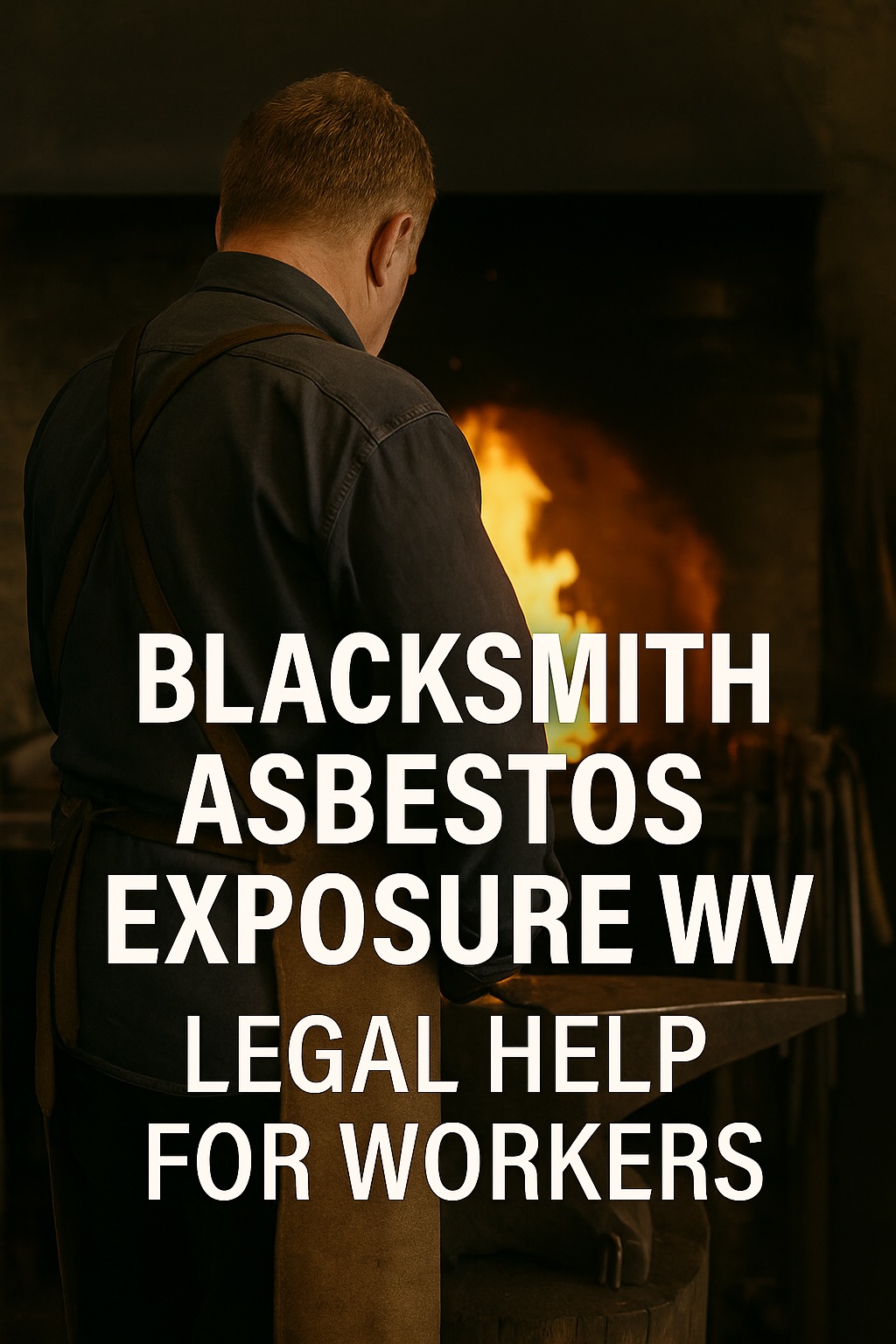
Blacksmith asbestos exposure WV was more common than most people realize. In foundries, rail yards, and heavy equipment shops across West Virginia, blacksmiths regularly worked in environments where asbestos was present—in insulation, forge linings, welding blankets, brake pads, and protective clothing. These materials, once thought to be harmless, now link to deadly diseases like mesothelioma, lung cancer, and asbestosis.
Unlike factory workers tied to large industrial sites, many blacksmiths operated in smaller machine shops, construction yards, or even mobile setups. This makes their asbestos exposure harder to trace, but no less real. In fact, the manual, high-heat nature of blacksmithing often disturbed asbestos fibers that were baked into equipment or used as insulation around their forges.
Exposure routes included airborne fibers from brake linings, forge repairs, and insulating blankets that wrapped metal surfaces to protect workers from extreme heat.
Take-home asbestos exposure was a tragic and often overlooked reality. Blacksmiths in WV who came home covered in asbestos dust—on their clothes, skin, or tools—may have unknowingly exposed spouses or children to the same deadly risks. Washing a worker’s clothes or hugging them after a long shift was sometimes all it took.
What Are Your Legal Options?
If you or a loved one has been diagnosed with mesothelioma or another asbestos-related disease and worked as a blacksmith in West Virginia, compensation may be available. Trust claims, legal settlements, or lawsuits may help recover funds for medical bills and long-term care. The Law Offices of Lee W. Davis, based in Pittsburgh and serving all of West Virginia, offers no-cost case evaluations and has over 25 years of asbestos litigation experience.
FAQ – Blacksmith Asbestos Exposure WV
Did blacksmiths in West Virginia really face asbestos exposure?
Yes. Asbestos was common in industrial heat-protection materials, including those used by blacksmiths.
What kinds of asbestos products did blacksmiths use?
Insulating blankets, forge linings, welding gloves, aprons, and certain brake pads were all common sources.
Can family members sue for secondhand exposure?
Yes, West Virginia law allows claims for take-home asbestos exposure in certain situations.
How do I know if I qualify for compensation?
An experienced asbestos attorney can help investigate your work history and determine your options.
Is there a deadline to file a claim in WV?
Yes. West Virginia has a statute of limitations, so it’s important to act quickly.
Call Today
You don’t need to handle this alone. If you or someone you love developed mesothelioma after working as a blacksmith in West Virginia, call412-781-0525 or complete the confidential form below to get started today.
Check If Your Family Was Exposed
Get your free guide instantly + a confidential case review.
Crane Operator Asbestos WV exposure is a hidden danger many families never saw coming. For decades, crane operators working in steel mills, powerhouses, chemical plants, and paper mills across West Virginia were exposed to asbestos without warning. These workers operated heavy equipment near insulation, fireproofing, pipe lagging, and other materials that crumbled under stress—releasing clouds of asbestos dust into the air.
How Were Crane Operators in WV Exposed to Asbestos?
Cranes were used in nearly every heavy industry where asbestos was present. Operators at sites like Wheeling-Pittsburgh Steel, Mount Storm Power Station, or DuPont chemical plants frequently lifted pipe sections, pre-fab boiler units, and contaminated insulation. As older materials cracked and crumbled, dust coated control cabins, levers, and the operator’s clothing.
Symptoms and Diagnosis of Crane Operator Asbestos Exposure
Many crane operators later developed mesothelioma, asbestosis, or lung cancer—often decades after their last exposure. Symptoms like shortness of breath, fatigue, and chest pain are frequently misdiagnosed until it’s too late. If you or a loved one worked as a crane operator and received a serious diagnosis, asbestos may be the cause.
Take-Home Asbestos Exposure from Crane Operators
Asbestos didn’t stay at the worksite. Crane operators unknowingly brought fibers home on their clothes and boots. This caused secondhand exposure in spouses and children—especially during laundry or hugs after work. If your loved one operated cranes in WV and your family is now suffering, you may have legal options.
Free Legal Help for Crane Operators in WV
Attorney Lee W. Davis has over 25 years of experience representing crane operators and their families across West Virginia. From Fairmont to Charleston, he knows the job sites, the exposure routes, and how to get justice from bankruptcy trusts and lawsuits.
Tinners asbestos exposure WV cases often go unrecognized despite the significant risks involved. Sheet metal workers, also called tinners, frequently worked in confined, dusty spaces where asbestos insulation was commonly used. Many West Virginia job sites—including steel mills, powerhouses, chemical plants, and schools—relied heavily on tinners to install ducts, vents, and metal siding, often near or directly handling asbestos-containing materials.
Asbestos was present in insulation wrapping ducts, gaskets, adhesives, fireproofing materials, and in the ambient air during renovations and tear-outs. Tinners used snips, brakes, and grinders that released asbestos dust, especially when working alongside pipefitters and insulators. This made them highly vulnerable to exposure over decades of service. Unfortunately, many were never warned about the dangers, and protective equipment was often inadequate or unavailable.
Tinners Asbestos Exposure WV on the Job and at Home
Exposure didn’t stop at the job site. Tinners asbestos exposure WV also created a serious take-home risk. Asbestos fibers clung to work clothes, boots, and tool bags—putting family members at risk. Spouses who laundered work uniforms or children who hugged their fathers after work may have unknowingly inhaled deadly dust, resulting in secondary mesothelioma cases decades later.
Legal Options for Tinners and Families
If you or a loved one developed mesothelioma or lung cancer due to tinners asbestos exposure in West Virginia, you may be entitled to financial compensation. Lawsuits, settlements, and bankruptcy trust claims can cover medical bills, lost wages, and more. Our firm understands West Virginia job sites and represents both workers and families affected by occupational and take-home asbestos exposure.
📞 Call (412) 781-0525 or visit leewdavis.com to explore your legal options.
Check If Your Family Was Exposed
Get your free guide instantly + a confidential case review.
🔒 100% Confidential. No obligations.
We represent former union and non-union tradespeople with real ties to West Virginia job sites.
Ash handler asbestos exposure remains one of the most overlooked dangers in West Virginia’s industrial past. Workers responsible for cleaning out ash from boilers, furnaces, and powerhouse pits were often exposed to high concentrations of asbestos dust—especially in older facilities like Kammer Plant, Fort Martin, and Mountaineer Power Station.
These workers were frequently tasked with removing fly ash and bottom ash, which often settled on or around deteriorating asbestos insulation. In many cases, this meant asbestos exposure was constant, intense, and completely avoidable had proper precautions been taken.
Ash handlers were rarely informed of the danger. Most worked in poorly ventilated environments where:
Asbestos pipe insulation crumbled into ash pits
Dust from asbestos-coated surfaces accumulated in confined spaces
Asbestos boiler insulation was disturbed during blowdowns
These jobs were hot, dirty, and typically low-paying—often filled by union laborers or temporary workers. Sadly, many of these individuals later developed mesothelioma or asbestosis without knowing the source.
Take-Home Asbestos Exposure from Ash Handlers
Ash handler asbestos exposure didn’t just affect workers on the job—it followed them home. In many West Virginia households, family members of ash handlers unknowingly inhaled asbestos fibers brought back on clothing, boots, or lunch pails. This secondary or “take-home” exposure has tragically resulted in mesothelioma diagnoses among spouses and children decades later. If your loved one worked around boiler ash, coal combustion residue, or in a power plant, and you later developed an asbestos disease, you may be eligible for compensation—even if you never worked with asbestos directly.
Legal Help for Ash Handler Asbestos Exposure Victims
If you or a loved one worked as an ash handler and have been diagnosed with an asbestos-related illness, West Virginia law may entitle you to compensation. Even decades after exposure, victims can file claims based on the date of diagnosis—not just when the exposure occurred.
Free Legal Consultation for WV Workers
If you or a loved one was exposed to asbestos in West Virginia, you may be eligible for compensation.
📞 Call (412) 781-0525 or visit leewdavis.com to schedule a free consultation today.
Check If Your Family Was Exposed
Get your free guide instantly + a confidential case review.
🔒 100% Confidential. No obligations.
❓ FAQ: Ash Handler Asbestos Exposure
What is an ash handler?
An ash handler is a worker responsible for removing residual ash produced during combustion in industrial settings such as power plants, paper mills, or boilers. This ash often came in contact with asbestos insulation used in these facilities.
How were ash handlers exposed to asbestos?
Ash handlers were commonly exposed to asbestos when cleaning out fly ash and bottom ash from equipment lined or surrounded by asbestos-containing materials. These fibers became airborne, especially during maintenance or cleaning.
Can I file a claim if I was exposed to asbestos decades ago?
Yes. In West Virginia, asbestos-related legal claims are based on the date of diagnosis—not the date of exposure. If you’ve recently been diagnosed with mesothelioma or another asbestos disease, you may still have time to file.
What compensation is available for ash handler asbestos exposure?
Compensation can include medical expenses, lost wages, wrongful death claims (for surviving family), and pain and suffering. Many workers qualify for payouts from asbestos trust funds or through individual lawsuits.
Is there a cost to speak with a lawyer?
No. At the Law Offices of Lee W. Davis, Esquire, L.L.C., consultations are always free. We only get paid if we recover compensation for you or your family.
Nitro Chemical Plant asbestos exposure caused serious health risks for many West Virginia workers. For decades, facilities in Nitro—including those operated by Monsanto and others—used asbestos in pipes, insulation, and processing equipment, leading to widespread exposure and long-term disease.
Workers at the Nitro chemical plants in West Virginia were routinely exposed to asbestos throughout the 20th century. These facilities, including major operations like Monsanto, used asbestos materials in insulation, piping, gaskets, boilers, and production equipment. The risks didn’t end at the plant gate—take-home exposure also endangered families.
Asbestos Use at the Nitro Chemical Plants
Asbestos was used in the Nitro facilities to protect against heat and chemical reactions. Unfortunately, the fibers released into the air weren’t safe. Pipefitters, boilermakers, insulators, maintenance techs, and even clerical staff may have unknowingly inhaled or carried fibers home on their clothing.
Today, former employees and their loved ones are facing diagnoses like mesothelioma, asbestosis, and asbestos-related lung cancer—all linked to this preventable exposure.
If you or a family member worked at the Nitro chemical plant and later developed an asbestos-related illness, you may be entitled to compensation. Options include:
Filing a personal injury or wrongful death lawsuit
Accessing asbestos bankruptcy trust funds
Pursuing claims for take-home exposure
Why Local Legal Help Matters for Nitro Chemical Plant Asbestos
Our firm understands the industrial history of Nitro, WV. We know the companies, job duties, and building layouts—and we don’t treat your case like a number.
Insulation workers asbestos exposure in West Virginia has caused thousands of illnesses, including mesothelioma and lung cancer. Members of Local 80, the union representing insulation workers in WV, were among the most heavily exposed trades in the state. From powerhouses to chemical plants, asbestos insulation was everywhere.
Insulation workers often cut, installed, or removed materials containing asbestos—especially between the 1940s and 1980s. These materials included:
Pipe wrap and boiler insulation
Cement panels and thermal blankets
Fireproofing sprays and loose-fill insulation
These materials released microscopic asbestos fibers when disturbed. Without modern respirators or containment protocols, workers inhaled those fibers on the job—and brought them home on clothing.
WV Job Sites Where Insulation Workers Faced Exposure
Many Local 80 members worked at major West Virginia facilities such as:
You may qualify for compensation through asbestos trust funds or litigation. Even family members exposed through take-home asbestos may be eligible to file a claim.
Attorney Lee W. Davis has helped insulation workers in Local 80 and nearby Local 2 (Pittsburgh) recover compensation. He has handled over 3,000 asbestos cases and offers personalized, aggressive representation.
Get Legal Help Today
📞 Call (412) 781-0525 or fill out the form below to speak with an asbestos attorney today.
Check If Your Family Was Exposed
Get your free guide instantly + a confidential case review.
Asbestos lawsuit help WV residents need is available today for those suffering from mesothelioma or other asbestos-related illnesses. If you were exposed at work or at home, you may be entitled to compensation. Legal help can guide you through filing claims, accessing trust funds, or pursuing a lawsuit in West Virginia courts.
If you or someone you love has been diagnosed with mesothelioma or another asbestos-related disease, you may feel overwhelmed. You’re not alone. Many West Virginia families need asbestos lawsuit help to understand their rights and take action. Whether the exposure happened decades ago or recently came to light, help is available.
Attorney Lee W. Davis has handled over 3,000 asbestos cases across West Virginia and Pennsylvania. From industrial towns to rural counties, he understands how exposures happened—and how to pursue full compensation.
If you need asbestos lawsuit help WV residents trust, turn to someone who has fought these battles before. Lee offers free consultations and never charges unless you win.
Get Help Now
📞 Call (412) 781-0525 or fill out the form below to get started with your asbestos lawsuit today.
Check If Your Family Was Exposed
Get your free guide instantly + a confidential case review.
For decades, boiler room asbestos exposure across across West Virginia. One of the most serious was asbestos—commonly used in insulation, gaskets, and refractory materials. Many workers who spent years maintaining or repairing boiler systems were unknowingly exposed to asbestos fibers. Today, some of those same individuals are now facing diagnoses of mesothelioma, asbestosis, and other asbestos-related illnesses.
If you or a loved one worked in a boiler room and later developed an asbestos disease, you may be entitled to compensation.
Boiler rooms were especially hazardous environments. Asbestos was widely used to line and insulate high-temperature equipment such as:
Boilers
Steam pipes
Valves and pumps
Insulating blankets and panels
Over time, the materials broke down—sending microscopic asbestos fibers into the air. Workers inhaled these particles daily, often without any protective gear.
If you have been diagnosed with mesothelioma or another asbestos-related condition, you can:
File an asbestos trust claim
Pursue a lawsuit against responsible companies
Recover compensation for medical bills, lost wages, and suffering
There are no upfront fees, and legal help is available now.
Take-Home Asbestos Exposure in West Virginia
Many boiler room workers unknowingly brought asbestos fibers home on their clothing. Spouses and children who washed work clothes or hugged a family member after work may have developed illnesses due to this take-home asbestos exposure. If your loved one worked in a boiler room and you’ve developed mesothelioma, legal options may be available to your family as well.
Why Choose Lee W. Davis
Attorney Lee W. Davis has handled asbestos cases in West Virginia since 1988, beginning as a paralegal during the original mass trials. He understands the specific jobsites, union roles, and legal strategies that produce results.
📞 Call 412-781-0525 or fill out the form below to start your free consultation today.
Check If Your Family Was Exposed
Get your free guide instantly + a confidential case review.