If you’re searching for a trusted Pennsylvania asbestos lawyer, you’re not alone. For decades, thousands of workers, tradespeople, and their family members across Pennsylvania have faced the devastating impact of asbestos exposure. Whether it happened on the job, at home due to take-home exposure, or through contaminated products, the consequences are life-changing.
At the Law Offices of Lee W. Davis, we understand how and where exposure happens in Pennsylvania—and what it takes to hold the right parties accountable. With over 35 years of asbestos litigation experience, we help clients in Pittsburgh, Philadelphia, and towns across the state secure the compensation they deserve.
Anyone diagnosed with mesothelioma, asbestosis, or lung cancer from exposure can file a claim. But you don’t need to have worked directly with asbestos. We also help:
Spouses and children affected by take-home exposure
Tradespeople like pipefitters, boilermakers, and electricians
Families who lost loved ones due to asbestos-related disease
You may be eligible to file a personal injury lawsuit, wrongful death claim, or trust fund claim—and we help with all three.
Take-Home Exposure Still Happens in Pennsylvania
Decades after peak asbestos use, we’re still seeing cases from secondhand exposure. That means asbestos fibers were brought home on clothing or skin, sickening innocent family members. Learn more about take-home exposure cases here.
Why Hire a Pennsylvania Asbestos Lawyer Like Lee W. Davis?
35+ years of experience with asbestos and mesothelioma litigation
Personal, one-on-one service – you’re not just another file
No fee unless we recover compensation
Licensed in PA, WV, and MI with local insight others lack
Call Today for a Free Consultation
You only get one chance to file an asbestos claim in Pennsylvania. Don’t trust your case to an ad firm or out-of-state call center. Call Lee W. Davis directly at 412-781-0525 or use the form below to take the first step.
Check If Your Family Was Exposed
Get your free guide instantly + a confidential case review.
Steel of West Virginia asbestos exposure endangered countless tradespeople who worked at the Huntington facility, previously known as Conner Steel and Porter Steel. For decades, asbestos-containing materials were used in daily operations—putting workers and their families at serious risk.
If you or a loved one spent time at Steel of West Virginia and now face mesothelioma, lung cancer, or asbestosis, you may be entitled to compensation—no matter where you live now
If you or a loved one worked at this jobsite and now face a diagnosis like mesothelioma, lung cancer, or asbestosis, legal help is available today.
🧱 Asbestos Exposure at Conner Steel and Steel of WV
The Huntington facility used asbestos in:
Pipe and boiler insulation
Electrical conduit wrapping
Steam line gaskets and valves
Welding blankets and fireproofing boards
Exposure was common during fabrication, repair, and cleaning. Asbestos fibers were released into the air, often lingering on surfaces, clothing, and skin. This made take-home asbestos exposure a daily risk for workers’ families.
👷♂️ Trades Most at Risk from Steel of West Virginia Asbestos
Some of the most heavily exposed trades included:
Millwrights working on motorized and conveyor systems
Pipefitters and plumbers handling insulated lines
Boiler workers replacing refractory linings
Electricians working near switchgear or turbines
Even short-term work at the plant may have caused lasting harm.
🧾 Legal Options for Steel of WV Workers
Workers diagnosed with asbestos diseases can:
File lawsuits against former asbestos manufacturers
Claim funds through asbestos bankruptcy trusts
Seek compensation for take-home exposure that harmed family members
Attorney Lee W. Davis has over 35 years of experience and helped clients from Huntington and across the state recover the compensation they deserve.
🔗 Learn More About Steel of West Virginia Asbestos Claims
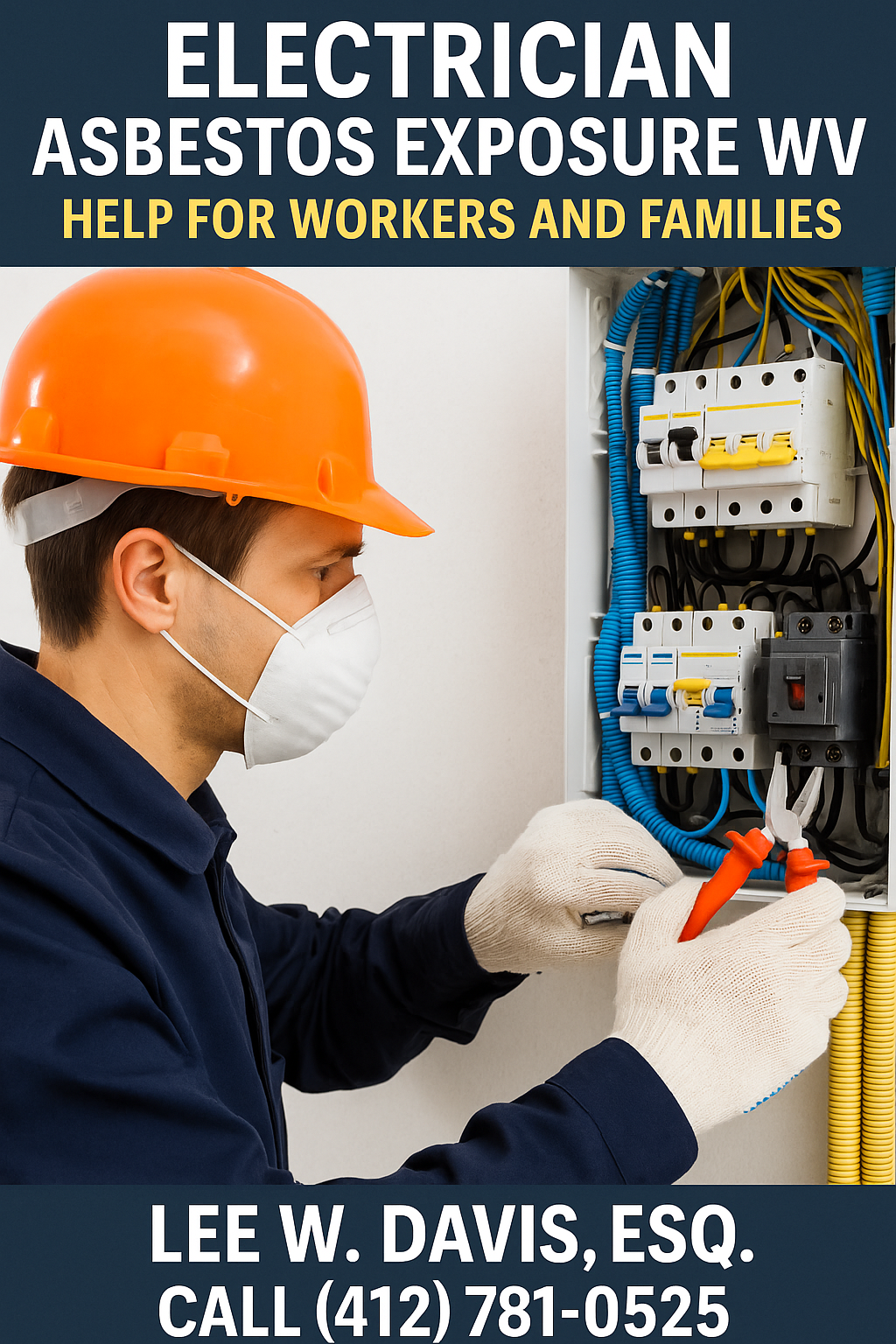
Electrician asbestos exposure WV is a growing legal concern for workers and families across the state. Electricians were exposed to asbestos while working in power plants, steel mills, chemical facilities, and industrial sites—many without ever being warned of the danger.
In West Virginia, electricians often performed tasks that disturbed asbestos-containing materials. These included rewiring near insulation, cutting conduit, or replacing panels lined with asbestos. Exposure frequently occurred during:
Plant shutdowns
Maintenance in boiler rooms
Retrofitting older buildings and industrial machinery
Some of these electricians unknowingly carried asbestos fibers home on their clothes, exposing spouses and children to take-home asbestos exposure.
⚠️ High-Risk Job Sites for Electrician Asbestos Exposure WV
Mountaineer Power Plant – New Haven
Mitchell Power Station – Moundsville
DuPont Washington Works – Parkersburg
Union Carbide – Institute
Kaiser Aluminum – Ravenswood
Wheeling-Pittsburgh Steel – Follansbee
West Penn Power – Rivesville
In each of these sites, electricians were required to drill through or remove materials containing asbestos, such as:
Thermal insulation around transformers or pipes
Insulated wires and electrical conduit
Arc chutes, panel boards, and switchgear
👨👩👧 Take-Home Exposure from Electricians in WV
Many electrician asbestos exposure WV claims now involve not just the worker—but family members exposed secondhand. A spouse doing laundry, or a child sitting on a parent’s lap after work, could unknowingly inhale fibers.
If your family member worked as an electrician and you later developed mesothelioma or another asbestos disease, you may have a valid take-home asbestos case. Learn more here.
⚖️ Legal Help for Electrician Asbestos Exposure WV Claims
Attorney Lee W. Davis has more than 35 years of experience helping West Virginians exposed to asbestos—including electricians and their families. He has handled thousands of asbestos claims across West Virginia job sites and understands how to win take-home exposure cases.
📞 Contact Us Today for a Free Case Review
Call (412) 781-0525 or fill out the form below. You don’t pay unless we win.
Check If Your Family Was Exposed
Get your free guide instantly + a confidential case review.
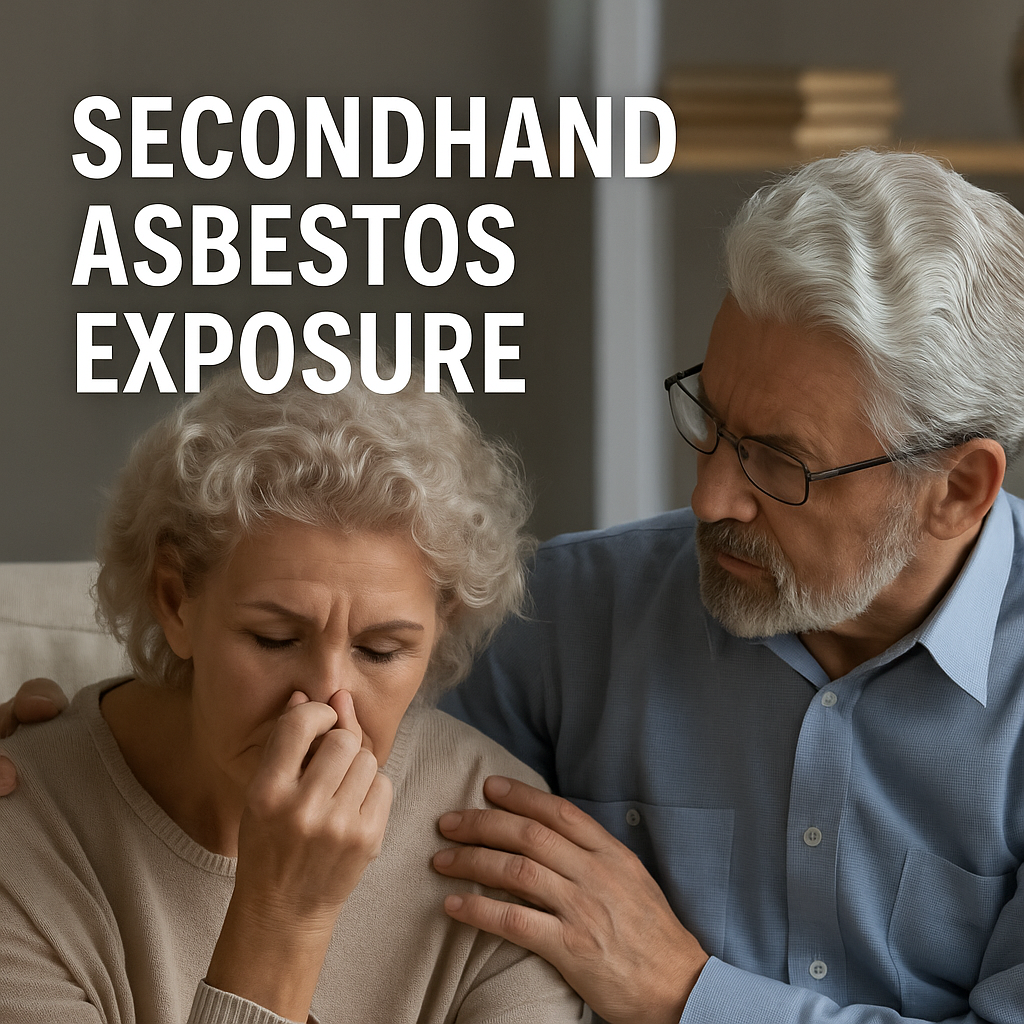
For decades, secondhand exposure from asbestos has harmed spouses and children of industrial workers. While the worker may have clocked out and gone home, the deadly asbestos fibers on their clothes, boots, and hair didn’t stay behind at the jobsite. They came home with them — into kitchens, laundry rooms, and bedrooms — putting entire families at risk.
If you or a loved one was diagnosed with mesothelioma or another asbestos-related disease and never worked directly with asbestos, your exposure may have come secondhand.
Understanding Secondhand Asbestos Exposure at Home
Secondhand asbestos exposure, also known as take-home exposure, occurs when a worker brings home toxic fibers on their clothing, tools, or body. Family members — especially those handling laundry or giving hugs — are unknowingly exposed over time. This can lead to deadly diseases like mesothelioma, lung cancer, and asbestosis decades later.
Jobs that frequently resulted in secondhand exposure include:
Steelworkers
Pipefitters and boilermakers
Power plant and chemical facility workers
Millwrights and machinists
Secondhand Asbestos Exposure in West Virginia and Pennsylvania
Industrial regions like Weirton, Natrium, Parkersburg, Pittsburgh, and Moundsville were hotspots for occupational asbestos exposure. Workers from places like DuPont Washington Works, PPG Industries, and Wheeling-Pittsburgh Steel often returned home with contaminated uniforms, unknowingly exposing their families.
Today, family members are being diagnosed with asbestos-related illnesses caused entirely by this take-home exposure from asbestos — years, or even decades, later.
The law recognizes that take-home is real. Courts have held companies accountable for failing to warn workers or provide safe handling procedures. In many cases, you may still be eligible to file a claim even if you never worked at the plant or jobsite yourself.
If your exposure was from a loved one’s job, you deserve answers, accountability, and compensation.
Quiet Justice for Secondhand Asbestos Exposure
You don’t need to go public. We handle these cases with discretion and respect. Free consultations and home visits are available throughout West Virginia and Western Pennsylvania.
A detailed guide to how exposure happens — and how victims can get justice.
Legal Help for Secondhand Asbestos Exposure Victims
At the Law Offices of Lee W. Davis, we’ve represented victims for more than 35 years. You won’t be passed off to an assistant or a call center. You’ll speak directly with an experienced lawyer who knows the names, the plants, and the truth.
Frequently Asked Questions
Can I sue if I was exposed to asbestos from a family member’s job?
Yes. Secondhand or take-home asbestos exposure is a recognized cause of mesothelioma and qualifies for legal claims in many jurisdictions.
How do I know if secondhand exposure caused my illness?
If you lived with someone who worked in an industry known for asbestos and you’ve been diagnosed with mesothelioma or another asbestos disease, secondhand exposure is likely.
What if the company is bankrupt?
Bankrupt companies often established asbestos trust funds, which allow victims of secondhand exposure to file claims without going to court.
📍 Serving Clients Throughout West Virginia and Western Pennsylvania
We represent clients exposed in Weirton, Pittsburgh, Natrium, Charleston, Moundsville, and beyond. Whether the exposure was decades ago or more recent, you may still have a claim.
If you or a loved one worked in West Virginia’s steel mills and now face a mesothelioma diagnosis, you need a WV steelworker mesothelioma lawyer who understands these job sites firsthand. For more than 35 years, I’ve been helping families like yours—without the marketing flash, false promises, or outsourcing your case to an assistant.
If you or a loved one worked in a steel mill in West Virginia and were later diagnosed with mesothelioma, you’re not alone. Mills like Weirton Steel and Wheeling-Pittsburgh Steel used asbestos for decades—in pipe insulation, furnace linings, turbines, and more. For thousands of tradesmen, asbestos exposure was a fact of life. Unfortunately, so were the devastating health consequences.
As a WV steelworker mesothelioma lawyer who has worked with these families for over 35 years, I’ve been in this fight since the very beginning. I’m not a marketer. I was there when the first mass filings were made, when courtrooms were overwhelmed, and when companies began denying what they had known for decades.
Asbestos Exposure in Steel Mills
Steelworkers faced some of the highest levels of asbestos exposure:
Electricians and boilermakers encountered asbestos in switchgear, arc chutes, boilers, and more.
Maintenance crews routinely disturbed insulation without protective gear.
The result? Thousands of mesothelioma diagnoses in West Virginia alone.
Take-Home Exposure Cases
Steel mill workers often carried asbestos home on their clothes and boots. Spouses and children washed contaminated laundry or hugged workers at the end of a shift—never knowing what they were breathing in. Many take-home exposure victims have developed mesothelioma decades later.
When it comes to representing steelworkers with mesothelioma, no one can fake experience. I’ve walked these job sites. Since 1988, I’ve sat at kitchen tables with families in Moundsville, Weirton, Follansbee, and beyond. And I’ve seen firsthand how asbestos silently destroyed lives.
Many of the claims you see advertised on television get passed around from one firm to another. That doesn’t happen here. When you contact me, you talk directly to me.
Serving All of West Virginia
I handle mesothelioma claims throughout West Virginia:
Weirton, Follansbee, Moundsville
Wheeling, New Martinsville, Parkersburg
Charleston, Huntington, and beyond
Home and hospital visits are always available.
You Deserve the Truth
There are no TV jingles here. No “multi-million-dollar” marketing machines. Just real answers, real accountability, and legal help for West Virginia families facing mesothelioma.
📞 Call for a Free Consultation
Let’s talk about your case. No pressure. No fees unless we recover compensation for you.
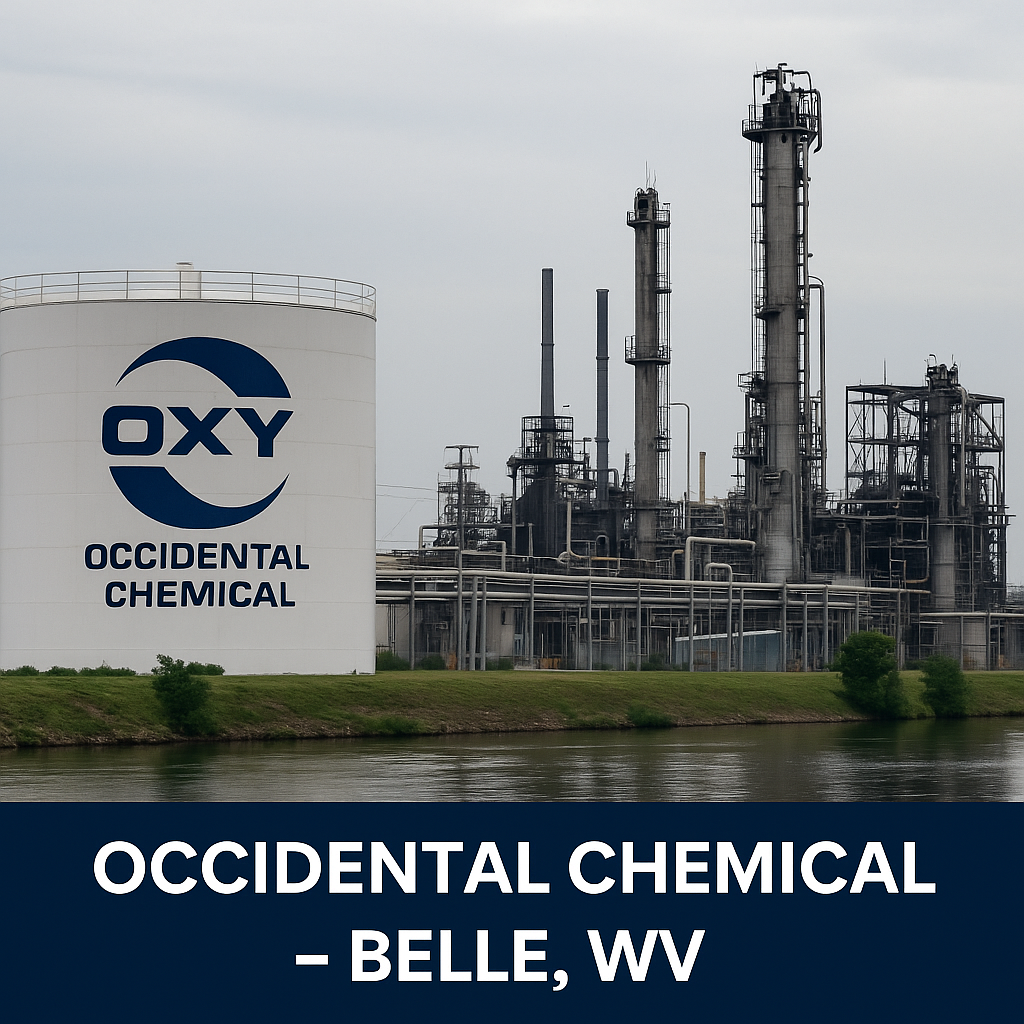
The Occidental Chemical Belle WV site was once a key part of Kanawha Valley’s chemical industry. Located 15 miles southeast of Charleston along the Kanawha River, the site has a long industrial history—and a legacy of asbestos risk.
Located along the Kanawha River on a 23-acre industrial site, this plant has a complex legacy that includes potential asbestos exposure for plant workers, contractors, and nearby residents.
The site’s history stretches back to 1920 when chemical operations began under the Belle Alkali Company. Over the decades, ownership changed hands through several companies, including DuPont, before Occidental Chemical (OxyChem) acquired the facility in 1986. The plant produced multi-product chloromethanes using chlorine, a process known to involve asbestos-containing equipment and insulation.
Tradespeople who worked on the site’s piping systems, pumps, and chemical reactors may have been exposed to asbestos. In particular, millwrights and pipefitters from surrounding communities—including those from Charleston, Belle, Nitro, and even across the river—were at elevated risk.
Take-Home Exposure for Families
Spouses and children of OxyChem workers may have been secondarily exposed to asbestos fibers brought home on work clothing. This type of take-home asbestos exposure has been linked to mesothelioma diagnoses decades later. Learn more about take-home cases here.
The Occidental Chemical Belle WV’s Demolition and Legacy
OxyChem closed the Belle plant in 1994, removing all structures and equipment. However, for those who worked there or lived nearby, the effects of exposure may persist. Asbestos diseases, including mesothelioma, can take 20 to 50 years to develop.
Legal Help for Asbestos Exposure in Occidental Chemical Belle WV
If you or a loved one were exposed to asbestos at the former Occidental Chemical facility in Belle, WV, you may be eligible for compensation. Attorney Lee W. Davis has over 35 years of experience handling asbestos claims throughout West Virginia and understands the history and risks tied to chemical facilities in the Kanawha Valley.
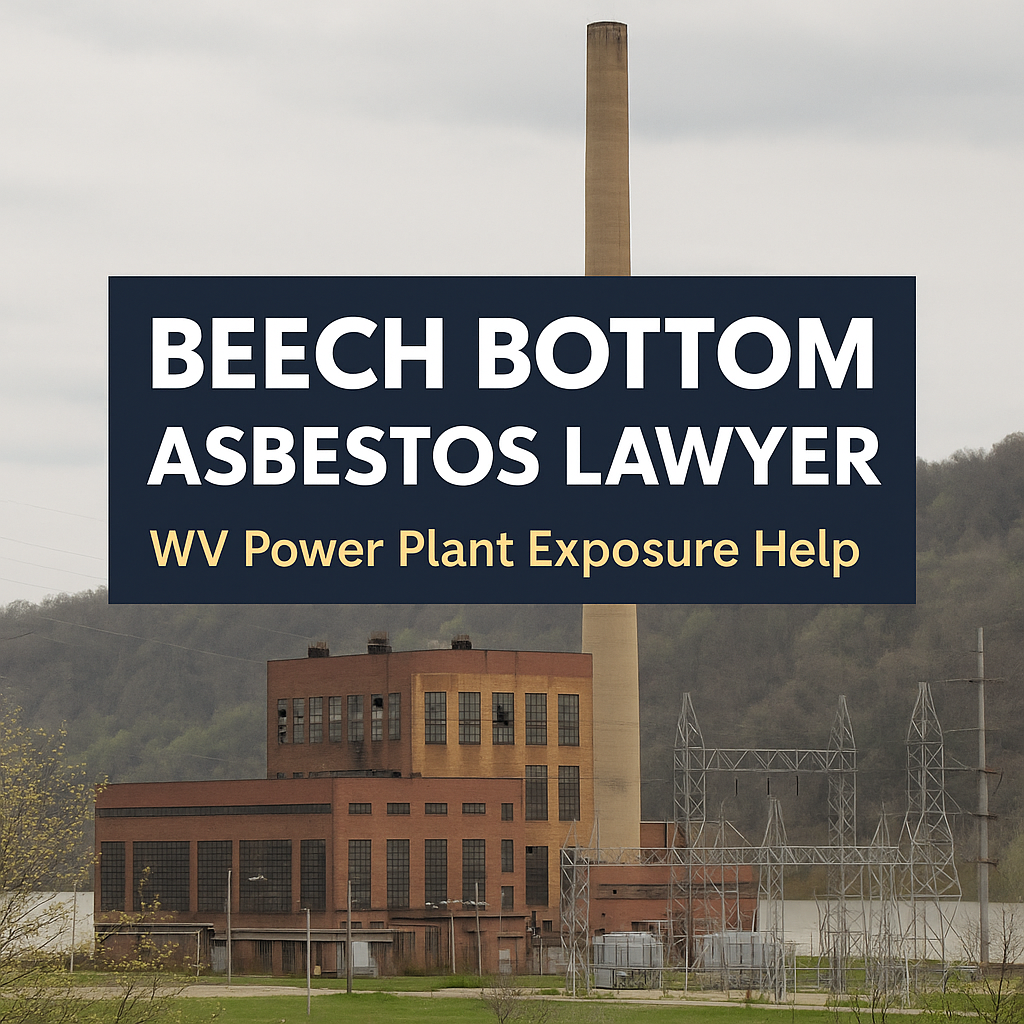
If you’re searching for a Beech Bottom asbestos lawyer, you’re likely dealing with the aftermath of a serious diagnosis like mesothelioma, lung cancer, or asbestosis. The Beech Bottom Power Station, located in Brooke County, West Virginia, served the Northern Panhandle, western Pennsylvania, and parts of Ohio until its closure in 1973. Jointly operated by West Penn Power and Ohio Power, the plant was known to have used asbestos-containing materials throughout its turbines, insulation, boilers, and piping systems.
For decades, local tradesmen—including pipefitters, millwrights, electricians, and boilermakers—were exposed to airborne asbestos fibers without adequate warning or protection. Worse still, many of those workers carried those fibers home on their clothes, exposing spouses and children to the deadly risks of take-home asbestos exposure.
Asbestos Exposure Risks at Beech Bottom Power Station
Known Trades at Risk:
Pipefitters
Millwrights
Electricians
Boilermakers
Insulators
Laborers and maintenance workers
Many of these workers were employed by contractors or subcontractors who may no longer exist, making legal guidance critical when filing a claim. A Beech Bottom asbestos lawyer with decades of experience in West Virginia power plant exposure cases can help navigate these complex issues.
Take-Home Exposure Cases from Beech Bottom, WV
Even if you never set foot inside the Beech Bottom plant, you could still be at risk. Household members, particularly women and children, were unknowingly exposed as fibers were brought home on work clothes and washed or handled daily. Courts in West Virginia have recognized take-home asbestos exposure as a valid basis for legal action.
Why Choose Lee W. Davis as Your Beech Bottom Asbestos Lawyer?
Attorney Lee W. Davis has been handling asbestos cases in West Virginia since 1988. With over 35 years of experience and a deep familiarity with former job sites like Beech Bottom Power Station, he offers:
Free consultations
Home and hospital visits
One-on-one legal guidance (not passed to an assistant)
Contingency fee agreements (no fee unless you recover)
Whether you’re a former worker or the family member of someone exposed at Beech Bottom, legal help is available today.
Strong Legal Help for Families Affected by Beech Bottom Power Station
A diagnosis of mesothelioma is devastating. You should not have to navigate the legal process alone. Contact us to discuss your case and protect your right to compensation.
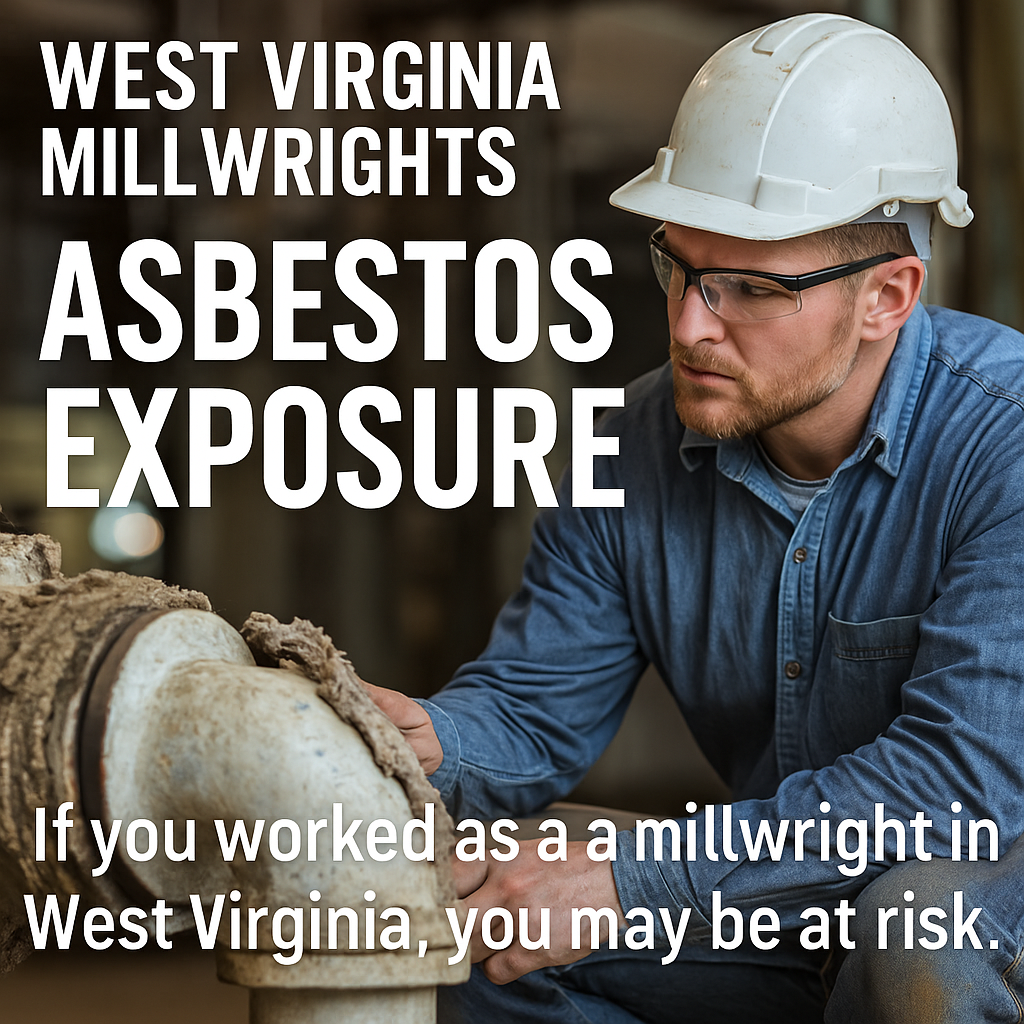
West Virginia millwright asbestos exposure has led to many serious illnesses including mesothelioma. Millwrights who installed or repaired machinery at power plants, mills, and chemical plants were often exposed to asbestos insulation, gaskets, and pump packing without any warning.
Millwrights in West Virginia have long played a vital role in the maintenance and installation of heavy machinery at power plants, steel mills, chemical facilities, and paper mills. Unfortunately, many of these job sites were laden with asbestos, exposing generations of millwrights to deadly fibers without adequate warning or protection.
If you’re searching for a West Virginia millwright asbestos lawyer, you’re not alone. Many tradesmen were never told that the gaskets, pumps, pipe covering, insulation, and machinery components they handled every day contained asbestos. The risks didn’t stop at the job site—take-home exposure affected their families, too.
Why Millwrights Were at High Risk of Asbestos Exposure
Millwrights worked on turbines, pumps, compressors, and pipe systems—many of which were insulated or sealed with asbestos-containing products. Jobsites like DuPont Washington Works, PPG Industries Natrium, and Big Sandy Power Plant employed millwrights who were routinely exposed to these materials while performing maintenance or installation tasks.
These workers were often required to grind, cut, or replace asbestos-containing parts, causing fibers to become airborne. Over time, this exposure increased the risk of developing mesothelioma, lung cancer, and asbestosis.
Take-Home Asbestos Exposure Still Matters
Millwrights weren’t the only ones at risk. Asbestos fibers clung to their clothing, shoes, and gear—carrying the danger home. Spouses and children who did laundry or hugged a family member coming off shift may have unknowingly inhaled these fibers. Learn more about take-home asbestos cases here and how West Virginia courts have recognized this risk.
Legal Help for West Virginia Millwrights Asbestos Exposure
Attorney Lee W. Davis has over 35 years of experience holding companies accountable for exposing millwrights and their families to asbestos. If you or someone you love was diagnosed with mesothelioma or another asbestos-related illness after working as a millwright, now is the time to take action.
Trades Known to Face Asbestos Exposure
Millwrights are one of many trades affected by asbestos. Others include:
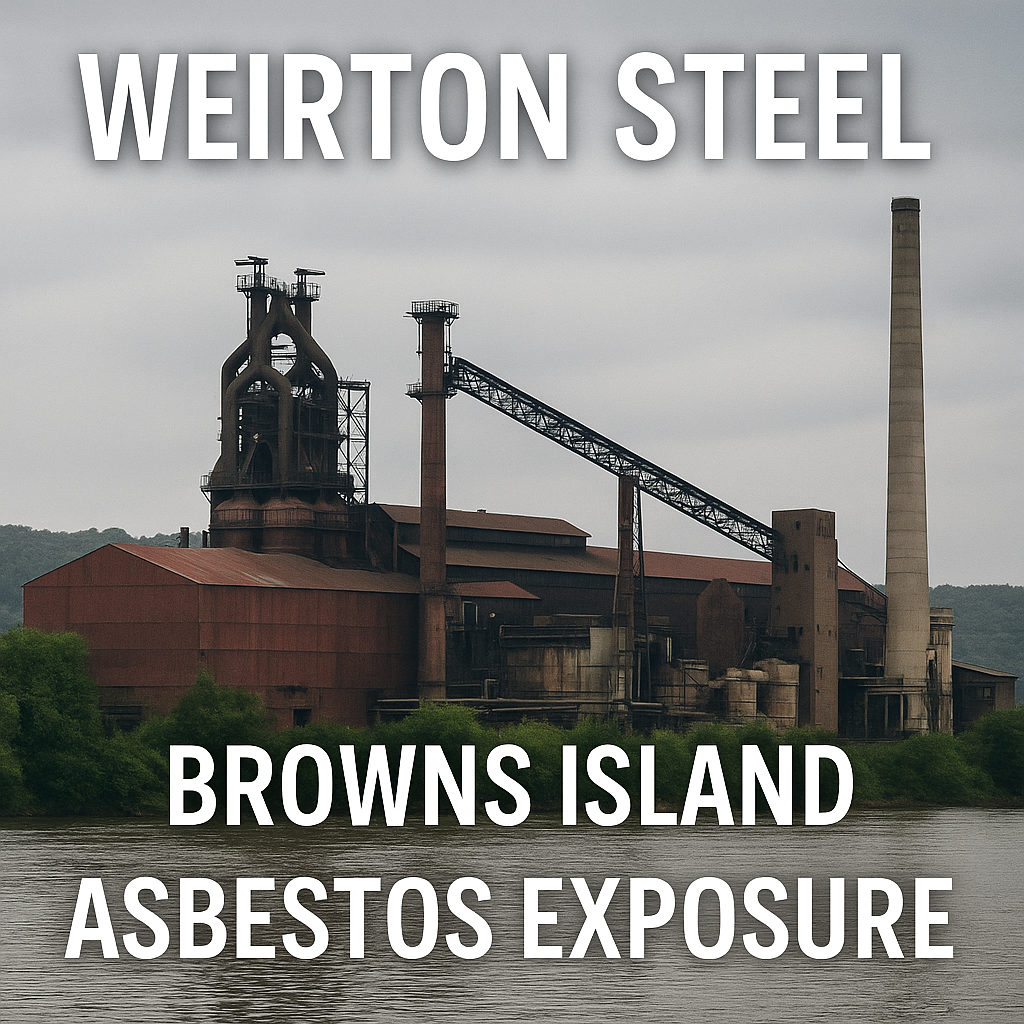
If you worked the coke batteries on Browns Island at Weirton Steel and you’ve been diagnosed with mesothelioma, you worked in one of the most asbestos-intensive environments in the entire plant. Browns Island coke batteries were not a peripheral operation — they were the foundation of steelmaking at Weirton, and the asbestos exposure there was pervasive, sustained, and came from multiple directions simultaneously.
What Made Browns Island Coke Battery Work So Hazardous
Coke production converts coal into coke through sustained extreme heat in a series of ovens arranged in batteries. At Weirton Steel, the coke batteries on Browns Island operated continuously and required constant maintenance, periodic rebuilding, and ongoing repair work throughout their operational life.
The asbestos exposure in coke battery work came from several directions. The ovens themselves required refractory materials for construction and repair — and like the open hearth and blast furnace, the blocks, boards, ramming materials, and cements used in oven repairs near the shell were asbestos-containing products. The steam and process piping throughout the battery complex carried heavily insulated lines. Gaskets and packing in the valves, pumps, and mechanical systems were disturbed regularly during maintenance.
The by-products recovery equipment — the systems that captured and processed the gases driven off during coking — was another significant exposure point. That equipment ran on steam and process lines wrapped in insulation that historically contained asbestos, and it required regular service by pipefitters, millwrights, and maintenance mechanics.
Mesothelioma/Asbestos Legal Help – WV, MI & PA
Speak directly with attorney Lee W. Davis. No call centers. Free, confidential review.
Pushing, quenching, and larry car operations kept workers moving through the battery area continuously, often in close proximity to maintenance and repair work generating asbestos dust. The enclosed and confined nature of much of the work on a coke battery meant that dust had nowhere to go — it stayed in the breathing zone of everyone working in the area.
Trades Most Commonly Involved in Browns Island Asbestos Claims
Workers across multiple trades faced asbestos exposure on the Browns Island coke batteries:
Coke oven workers and battery operators
Pipefitters and steamfitters on process and utility lines
Millwrights maintaining mechanical systems and larry car equipment
Boilermakers on oven and by-products recovery maintenance
Refractory workers and masons on oven repairs and rebuilds
Electricians working around battery controls and mechanical systems
Laborers on teardown, cleanup, and outage crews
Outside contractors brought in for battery rebuilds and major repairs
Bystander exposure was a consistent feature of Browns Island work. The confined geometry of a coke battery meant that dust generated during maintenance and repair affected everyone working in the area regardless of their specific task.
👉 SEarch Asbestos Job sites in West Virginia
Take-Home Exposure — Families Were Also at Risk
Many Weirton families were endangered without ever setting foot on Browns Island. Workers carried asbestos dust home on their clothing, hair, skin, and vehicles at the end of every shift. Spouses who handled work clothing, children who greeted workers at the door, and family members living in the same household were all exposed through what is known as take-home or secondary asbestos exposure.
Take-home mesothelioma cases are well established in the law and have supported successful claims for decades. If a family member who never worked at Weirton Steel has been diagnosed with mesothelioma, their connection to a worker at Browns Island may be the foundation of a viable claim.
Check If Your Family Was Exposed
Get your free guide instantly + a confidential case review.
🔒 100% Confidential. No obligations.
What Evidence Supports a Browns Island Asbestos Claim
You do not need complete records or perfect memory to begin evaluating your claim. The evidence that matters most includes:
Diagnosis records — pathology reports, imaging, treatment summaries
Work history at Weirton Steel — department, job title, years worked, specific tasks
Memory of the coke batteries, equipment, and systems you worked on or around
Names of coworkers, supervisors, or contractors you remember from Browns Island
Union records, benefit statements, or Social Security earnings records confirming your employment
For take-home cases — documentation of the household relationship to the Weirton Steel worker
If you can describe what you worked on and where on Browns Island you worked, that is often enough to begin identifying responsible parties and building the exposure narrative.
Deep Knowledge of Weirton Steel Asbestos Cases
I first began researching Weirton Steel asbestos cases in 1989, working on the original asbestos mass trials in West Virginia. I have been licensed to practice law since 1996 and have handled mesothelioma cases across Pennsylvania, West Virginia, and Michigan ever since. That includes cases from workers on the Browns Island coke batteries and from family members who suffered take-home exposure from those operations.
When you call, you speak directly with me. No call centers. No case managers.
If you or a family member worked the Browns Island coke batteries at Weirton Steel and has been diagnosed with mesothelioma, time matters. West Virginia’s statute of limitations runs from the date of diagnosis, not from the date of exposure.
Call (412) 781-0525 or start your confidential case review online now.
Check If Your Family Was Exposed
Get your free guide instantly + a confidential case review.
🔒 100% Confidential. No obligations.
Frequently Asked Questions
Q: I worked the coke batteries on Browns Island but I was assigned to by-products recovery, not the ovens directly. Do I still have an asbestos exposure claim?
A: Yes. By-products recovery equipment on the Browns Island complex was heavily served by insulated piping and mechanical systems that historically contained asbestos. Workers maintaining that equipment — pipefitters, millwrights, mechanics — were in regular contact with asbestos-containing materials regardless of whether they worked directly on the oven battery itself. Your specific work area and tasks are what matters, not your proximity to the ovens.
Q: My husband worked the coke batteries at Browns Island for thirty years and died of mesothelioma. Can our family still file a claim?
A: A wrongful death claim may still be available to your family. West Virginia wrongful death deadlines for mesothelioma run from the date of death, not the date of diagnosis, and are separate from the personal injury deadline. Those deadlines can move quickly. Call as soon as possible — the earlier we can evaluate the work history and exposure narrative, the better the chance of preserving a viable claim for your family.
Q: I never worked at Weirton Steel but my father did — he worked Browns Island for years and I was exposed to the dust on his clothing. Can I file a mesothelioma claim?
A: Take-home asbestos exposure cases are well established in West Virginia law. If you developed mesothelioma through secondary exposure to asbestos dust brought home by a family member who worked the Browns Island coke batteries, that exposure history can support a viable claim. The product defendants whose materials caused the original workplace exposure are typically the same defendants in take-home cases. Call to discuss what documentation of the household relationship and your diagnosis we would need to evaluate your claim.
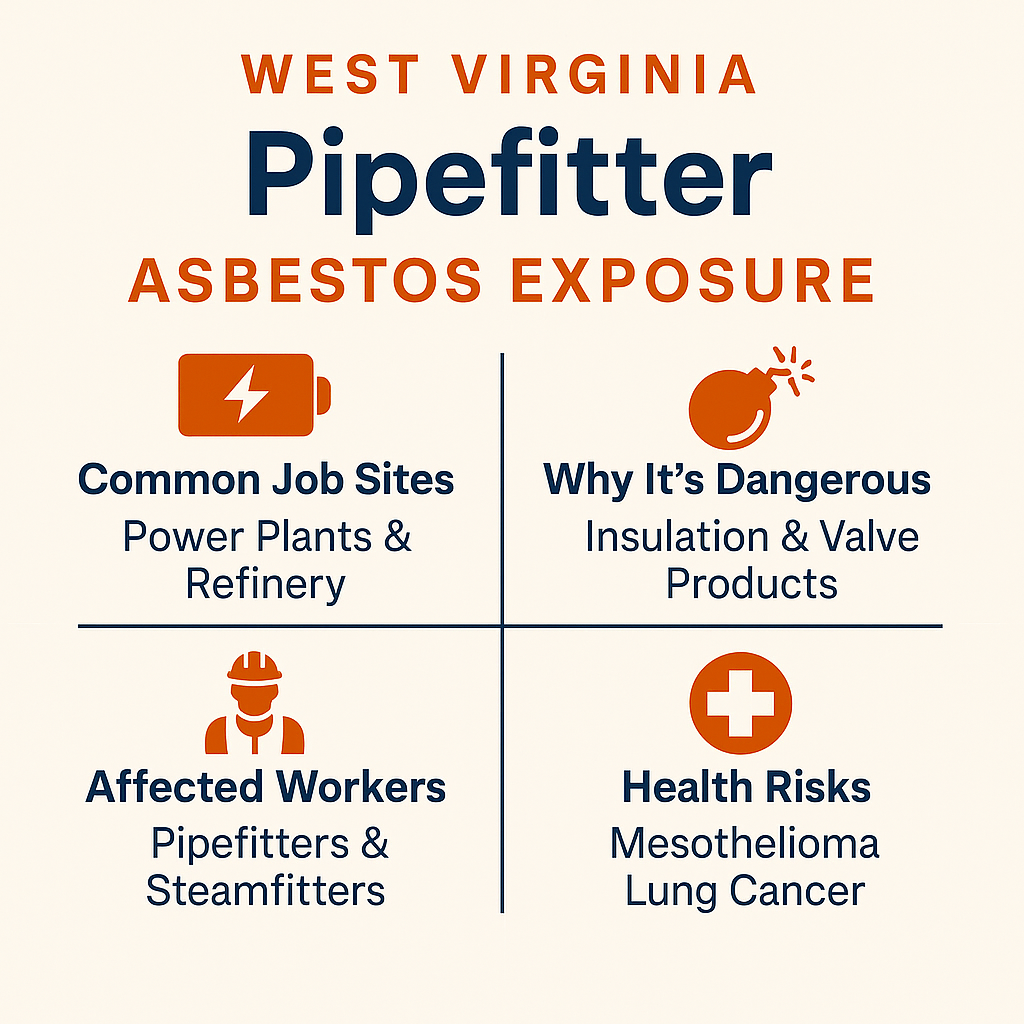
WV pipefitters have long played a crucial role in the infrastructure of West Virginia’s industrial economy. From power stations to chemical plants and steel mills, pipefitters routinely worked with and around asbestos-containing materials. Unfortunately, many West Virginia pipefitters were exposed to asbestos without proper protection or warnings—placing them and their families at risk of developing mesothelioma, lung cancer, and asbestosis.
If you or a loved one worked as a pipefitter in West Virginia and have been diagnosed with an asbestos-related illness, you may be entitled to significant compensation. Attorney Lee W. Davis has over 35 years of experience representing tradesmen—including WV pipefitters—who were exposed to toxic materials on the job.
For decades, WV pipefitters installed and maintained piping systems insulated with asbestos. These materials were used in high-temperature and high-pressure environments, especially in:
Power plants
Refineries
Steel and chemical facilities
Paper mills
Foundries and smelting operations
Even cutting or disturbing asbestos insulation could release dangerous fibers into the air. Many pipefitters unknowingly carried these fibers home on their work clothes, leading to secondary or “take-home” asbestos exposure in their families.
🔎 Search Asbestos Job Sites in West Virginia
Use the search tool below to check whether your former job site appears on the list of known asbestos exposure locations in West Virginia:👇
How Lee W. Davis Can Help WV Pipefitters
Lee W. Davis brings a depth of local knowledge and historical insight to every asbestos case he handles. From Morgantown to Charleston, and Wheeling to Huntington, he has investigated West Virginia jobsites where pipefitters were exposed.
His firm offers:
Free consultations
Help identifying former jobsite exposures
Pursuit of claims through trusts, settlements, or court
Take-Home Asbestos Cases from WV Pipefitters
Pipefitters often returned home covered in asbestos dust. If your spouse or family member developed mesothelioma or lung cancer from secondary exposure, you may have a claim. Learn more about these take-home exposure claims here.
Don’t Wait to Take Action
Many WV pipefitters who were exposed decades ago are just now receiving diagnoses. Time limits may apply to your legal rights. If you’re unsure where you worked or what products you were exposed to, we can help identify them.
📞 Call Lee W. Davis at (412) 781-0525 or fill out the secure form below for a free, no-pressure consultation.
Check If Your Family Was Exposed
Get your free guide instantly + a confidential case review.