Mention “mesothelioma” to an oncologist and chances are he’ll agree that this type of cancer is one of the most difficult to treat. Despite a lot of disappointments, however, doctors and researchers continue to try to find new ways to combat mesothelioma of all varieties, including the most common pleural form but also peritoneal mesothelioma.
Moundsville’s Kammer Plant
Moundsville, West Virginia has always been a highly industrial area. For much of the 20th century, especially in the middle decades, plants seemingly sprang up everywhere and locals found employment and the American Dream in a place that was suitable for bringing up children and making a life that would be perhaps hard, but content.
Cheswick Power Station a Toxic Disaster Area
Two huge smoke stacks loom over the town of Springdale, Pennsylvania, just a short distance from Pittsburgh. They’ve been there since 1970, when the coal-fired Cheswick Power Station was built and became part of the landscape of the town. Situated on 82-acres, the plant has long employed plenty of locals but it’s been a bone of contention for equally as long.
The plant, operated by Reliant Energy, produces enough energy to power about 400,000 area homes. But the plant has long emitted fly ash and other waste particles as well, which land on the properties within a few miles of those ominous smoke stacks.

Many fear that these emissions contain cancer-causing particles and some have even sued Reliant for its negligence, fearing for their health and that of their children. In particular, the emissions can irritate the respiratory system and induce asthma complications. This is especially serious for those who already have compromised respiratory systems and other medical problems.
Organizations like the Sierra Club maintain that there’s no doubt the air quality in Springdale has been affected by the presence of Cheswick Power Station, despite the installation of new scrubbers several years ago – technology that reduces emissions to what is deemed an acceptable level. However, residents don’t find the levels to be very acceptable.
Toxic emissions aren’t the only concerns at this coal-fired generating station. Other lawsuits surrounding Cheswick Power Station include those that allege dangerous asbestos exposure. When Cheswick Power Station was constructed in the late 1960s, asbestos use was still acceptable and power plants were some of the biggest users of materials that contained the toxic mineral.
Widespread Asbestos Usage
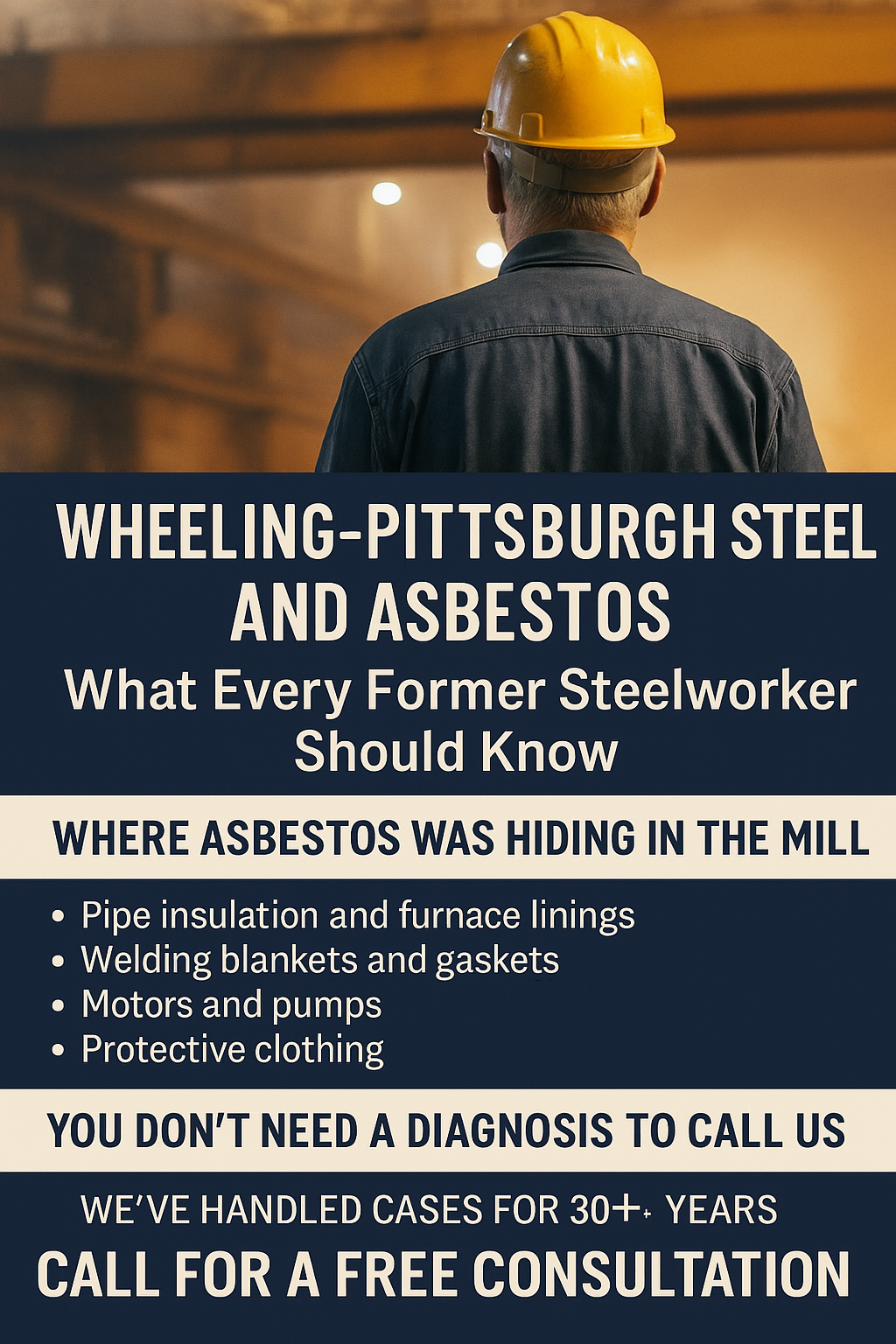
Asbestos-containing materials found in a power plant may have included insulation on pipes and electrical wires, gaskets, floor and ceiling tiles, asbestos cement, and more. Asbestos could even be found in some of the protective clothing used by workers at this and other power plants.
As a result, those who were employed at Cheswick during the first decade or so of its operations should be concerned as to whether or not they were exposed to the toxin and should remain on the lookout for symptoms of asbestos diseases, including:
• Persistent cough
• Shortness of breath
• Chest pain
• Chronic fatigue
• Weight loss
While these symptoms can be a sign of something less serious, they can also indicate mesothelioma cancer, a disease that has been diagnosed in many power plant workers throughout the country. Mesothelioma happens when sharp asbestos fibers become embedded in the area of the lungs, abdomen, or heart, causing tumors to form.
Once asbestos fibers are inhaled, they cannot be expelled. Not everyone who inhales asbestos develops cancer, but the risk is certainly present.
But there’s no need to suffer in silence. Those who’ve been sickened by employment at Cheswick Generation Station or any other coal-powered station in the Pittsburgh region need to take time to investigate their legal options. It is possible that victims can obtain compensation for their suffering but choosing the right attorney is essential.
That means selecting a lawyer who is familiar with the corporations in the region and who knows the particulars of power plant asbestos exposure. For more information on filing a successful lawsuit, schedule an appointment with a Pittsburgh mesothelioma attorney.
Smoking and Asbestos: An Unhappy Partnership
So, you’re a smoker. Millions of Americans are, even today, when all the risks associated with smoking are quite apparent. Maybe you enjoy lighting up during your breaks, at lunch time, or after a long day at the factory. Perhaps it’s a way to relax, a way to unwind after the stresses of a tedious and difficult work shift.
Mesothelioma X-Rays and other Diagnostic Tests
Anyone who worked with asbestos, even just a minute amount, is a candidate for developing mesothelioma, asbestos lung cancer, or any other asbestos-related disease. Perhaps YOU are concerned that you might have the disease because of your prior exposure and maybe you’re already suffering from some of the most common symptoms of mesothelioma, including:
Mesothelioma Pain: What to Expect
If you’ve ever been really sick or if you’ve broken a limb or otherwise injured yourself, you know that dealing with the pain associated with any of those situations can be the most difficult. Similarly, cancer patients have a lot of symptoms connected to their disease and – in many cases – pain can be among the worst.
The Toxic Homer City Generating Station
In the mid-20th century, coal-fired power stations were all the rage, especially in western Pennsylvania and West Virginia, where coal mining has long been a major industry. Whereas other parts of the country may have been unfamiliar with such power plants, they became an everyday sight to those who reside in that area. The plants were touted as efficient and the companies that ran them employed hundreds of locals in a variety of different jobs. Many of them are still operating today.
Former Pleasants Power Station Workers Sickened

Mention Pleasants Power Station to a long-time West Virginian and they’ll no doubt tell you about one of the greatest construction accidents in the history of the U.S. At this power station, located in western Pleasants County, West Virginia, 51 construction workers died when a cooling tower that was under construction collapsed on site in 1978. It was a dark time for the people of Pleasants County, many of them personally touched in some way or another by the tragedy.
Later, OSHA determined that a number of safety lapses at the site caused the tower and the attached scaffolding to collapse, including uncured concrete, missing bolts, an improper concrete hoisting system, and the fact that the job was being rushed. In all, these lapses spelled disaster for those who were working at the site.
This tragedy wasn’t the only Pleasants Power Station -related issue that has affected the residents of Pleasants County, West Virginia. Many have been sickened by the particulates released from this and other similar coal-fired power plants. In that fine particle pollution, you’ll find heavy metals, soot, sulfux dioxide, and a host of other toxins that can cause severe cases of respiratory and heart diseases.
Other Pleasants Power Station Diseases
Other respiratory diseases have resulted from workers’ exposure to asbestos while on the job. Working at a power plant of any kind comes with risks. Most employees – past and present – understand that. Many things can go wrong in an instant, with injury or even death as a result.
But Pleasants Power Station employees who worked there at a time when asbestos use was rampant had little or no idea that breathing in asbestos dust was eventually going to make them sick.
Asbestos enjoyed many uses at power plants throughout the U.S. until just before the 1980s, when government rules recommended the cessation of asbestos use. Employees may have found asbestos material wrapped around pipes or boilers. It may have been used in lagging, ropes, and a variety of textiles.
Workers may have even worn protective clothing that contained asbestos, designed as such to help workers avoid burns. Who would have known that this clothing, meant to keep workers safe, was making them sick?
Well, chances are that the powers-that-be at Willow Island and other West Virginia power companies may have very well known that asbestos was unsafe. However, because asbestos materials were often cheap and abundantly available, they were a favorite with plant owners. In short, more regard was given to the “bottom line” than to the safety of those who worked on site.
As a result, power plant workers from Pleasants Power Station and other area plants have died of mesothelioma or are currently suffering from the disease.
This exposure shouldn’t have happened but victims of the disease don’t need to deal with this situation on their own. Help is available in the form of legal options that may including filing a lawsuit against those who are responsible for the exposure. A consultation with a West Virginia mesothelioma lawyer can help you determine how to properly proceed and may spell some relief for victims of mesothelioma and their families.
Coal Mining Asbestos And Mesothelioma
In West Virginia and Pennsylvania, the coal mining industry has employed hundreds of thousands of individuals over the centuries. For many families, working in the mines has been a given, with one generation after another laboring in places where many of us would never dare to go. Coal mining is grueling work and, often, coal miners live short lives due to the risks associated with their jobs.
Zadroga Act
As legislators once again prepare to review and vote on the renewal of a bill known as the Zadroga Act, a $4 billion piece of legislation that helps pay for first responders’ medical costs associated with work at Ground Zero, thousands of EMTs, firefighters, and police officers continue to suffer the effects of breathing in the toxins left behind after the World Trade Centers collapsed on that fateful day.