Asbestos Exposure In Steubenville, OH

Decades ago, when industries arrived in a particular U.S. town, the people of that town rejoiced. They looked forward to the jobs those industries would bring and the prosperity their families would enjoy when steady, full-time employment came into the picture. Throughout the generations, industries of many kinds promised a better life for those they employed.

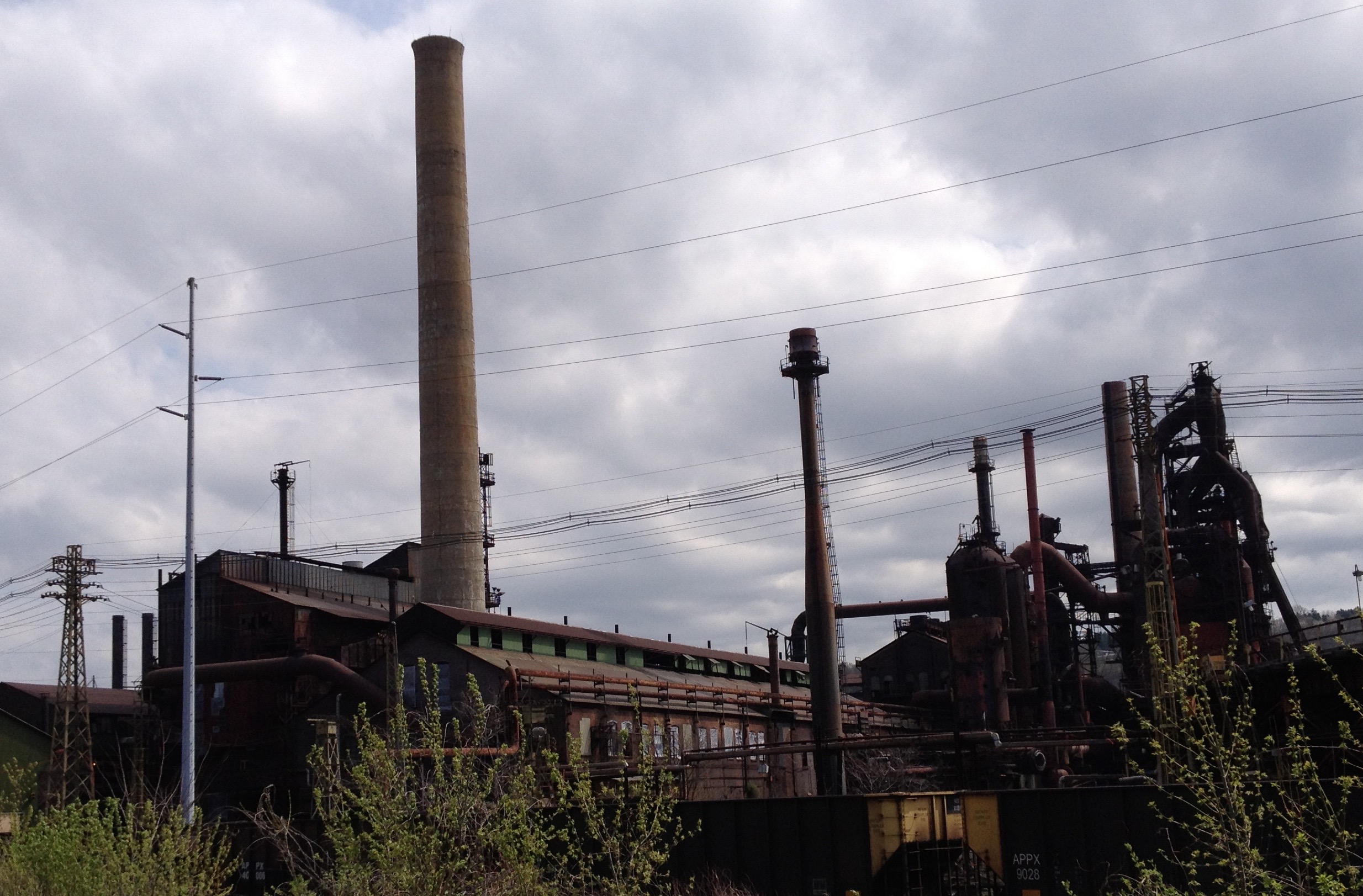
Steubenville, Ohio is one of those towns that boasts a long history of heavy industry. Way back to the 1840s, about the same time it received its charter, this city on the Ohio River was already teeming with mills of all sorts, Early plants made textiles, pottery, and glass, but it wasn’t long until there were coal mines and foundries in place as well.

As a matter of fact, the history of steel production in Steubenville dates back to the 1870s, with the expansion of the LaBelle Iron Foundry.

Today, there isn’t a lot of evidence of a prosperous Steubenville. For the most part, the foundries, mills, and plants have closed or, like Weirton Steel, have been forced to severely reduce their work forces. The community has suffered economically and younger generations have moved away.

Declining Population

As a matter of fact, census figures around the turn of the millennium showed that the Weirton–Steubenville population decreased faster than in any other urban area in the United States.

In addition from suffering from a lack of employment and severely decreased incomes, many of Steubenville’s many hard-working individuals have succumbed to mesothelioma or are currently suffering from the disease, which was caused by the rampant use of asbestos in many of the town’s plants and mills of yesteryear.

Up until the 1970s, these industries used asbestos materials for fire-proofing purposes and because of their durable nature. Unfortunately, the workers that regularly encountered asbestos-containing materials were adversely affected.

Asbestos Exposure In Steubenville

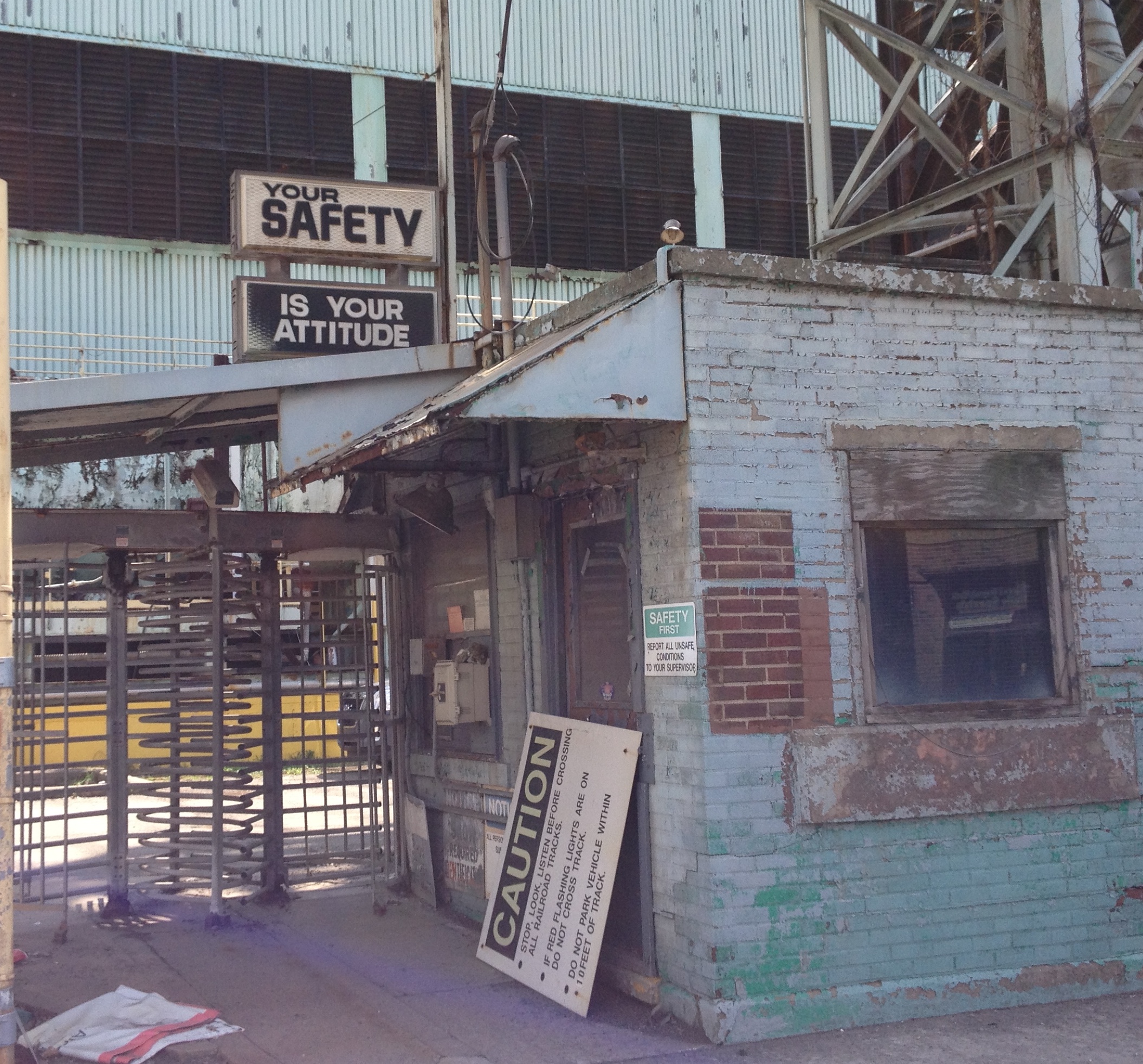
Asbestos exposure in Steubenville has affected individuals in a number of different trades. These have included steel workers, pipefitters, steamfitters, welders, millwrights, machinists, electricians, and a score of other individuals. Some of the places these mesothelioma victims worked include locations both in and around Steubenville, such as:

• Weirton Steel
• Wheeling-Pittsburgh Steel
• LaBelle Iron Works
• Jefferson Iron Works
• Federal Paper Board
• Wayne Coal Company
• Pope Tin Plate Co.
• Hartje Brothers Paper
• Keagler Brick Co.
• Steubenville Traction and Light Co.
• And many others

Most of the employees now being diagnosed with the disease probably encountered asbestos in the 60s and 70s, when there was already sufficient evidence that the mineral was causing severe respiratory problems in individuals who were exposed to it on a regular basis.

Over the years, evidence has been shown in courts of law stating that owners, managers, and other executives often knew about asbestos’ dangers yet refused to use a substitute material, usually because safer materials were more expensive. The result has been generations of Steubenville workers touched by asbestos cancer.

Asbestos Negligence Cases

asbestos negligence casesOpen a newspaper or browse through the latest news on Yahoo or any other internet search engine and you’re likely to dig up at least a few current stories about asbestos negligence cases in the United States. Sadly, most of the time, the stories involve a negligent employer/owner/executive and an unsuspecting employee who now has to face life with the threat of asbestos disease hanging over his/her head.

Recently, media outlets profiled the story of a maintenance worker at a large veterans’ hospital in south Texas who brought suit against the facility for the unsafe handling of toxic asbestos, including actions (or non-actions) that put him and others at risk for exposure.

The plaintiff claimed that hospital administrators forced him and other employees to perform daily tasks in an area that was known to contain asbestos. He also saw other maintenance workers cutting through drywall that clearly contained asbestos. In no instance were the workers provided with protective gear while on the job.

In addition, the employee who filed suit claimed that all asbestos-containing refuse was discarded in regular trash bins where other unsuspecting individuals could come in contact with the toxin.

Asbestos Negligence Cases Are Common

Unfortunately, stories like this aren’t rare. It’s a common disbelief that because asbestos-containing materials are no longer manufactured or sold that the danger has dissipated. That couldn’t be further from the truth. While many owners/supervisors of old facilities have been proactive in removing or encapsulating any potentially dangerous asbestos, the material in its hazardous state remains in countless buildings throughout the United States.

Sadly, it’s often up to workers to be diligent about protecting themselves. If you are employed in a profession that often encounters asbestos-containing materials, you MUST remain on the lookout for asbestos. Remember, you have a right to say “no” when asked to work in an environment that might compromise your health. You also have a right to ask for protective masks, respirators, or other items that can prevent the inhalation of asbestos fibers.

Asbestos lawsuits have grown in number because of such negligence, a problem that has existed for decades. For much of the 20th century, workers were led to believe that asbestos – used in abundance from the 1940s through the 1970s – was safe, yet proof of the mineral’s hazards have been noted for literally centuries. Now, as workers from that era reach their later years, many now know that they were deceived by their employers. Mesothelioma is a part of that reality. It might be part of yours, too.

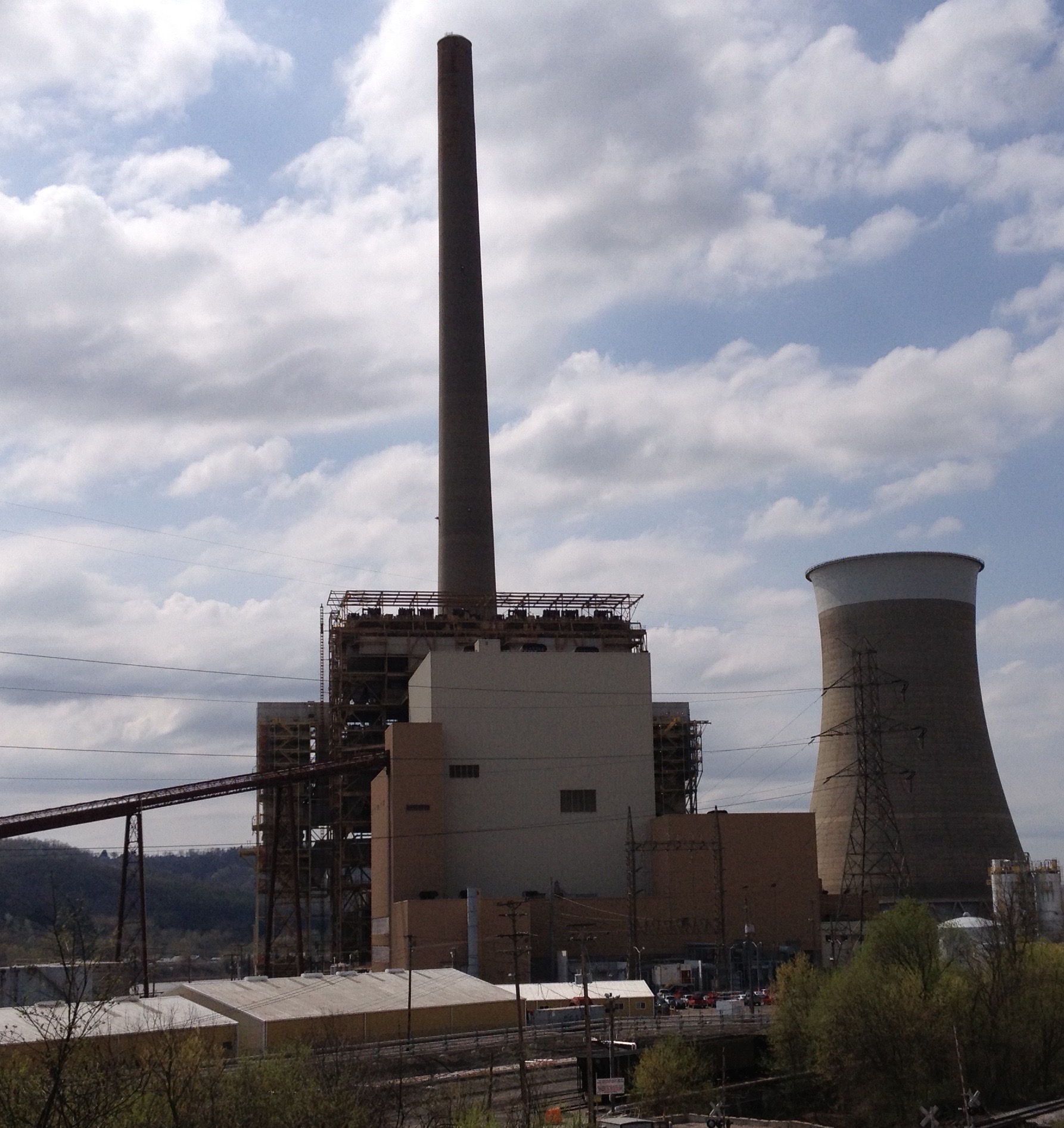
If you believe you were negligently exposed to asbestos during your work as a tradesman, including plumbers, pipefitters, electricians, mill workers, shipyard workers, power plant employees, and others, take time to examine your options as you begin the tough journey through the struggle that is asbestos-related cancer. Mesothelioma victims can often obtain compensation for their suffering.

Mesothelioma Among Senior Citizens

Mesothelioma Among Senior CitizensA cancer diagnosis is a blow at any age. For senior citizens, however, dealing with cancer is especially hard, particularly for those individuals who might be facing the multiple medical concerns that come with aging, including a host of other diseases and disorders.

Mesothelioma cancer, quite frequently, is diagnosed among those who would fall into the category of “senior” adults. This is because the disease possesses what is referred to as a long latency period; the time that passes between exposure to the mineral and the development of the disease can be quite lengthy, often as long as 50 years.

75% Of Mesothelioma Among Senior Citizens

That means many of the disease’s victims have progressed into their later years by the time the cancer is discovered. The American Cancer Society notes that the average age of diagnosis in 69 and estimates say about 75 percent of all cases are among senior adults. A large number of these individuals were probably exposed during service to the military while others were sickened due to occupational exposure. Many probably don’t even recall working with the material.

Nonetheless, mesothelioma is a difficult cancer to battle at any age and a diagnosis of this disease means a tough road ahead for the senior and his family members and friends.

The Day-to-Day Trials of the Disease

Seniors with mesothelioma, by the time they are diagnosed, have probably already begun to slow down and are most likely having a tough time with day-to-day responsibilities.

If the victim is working, he may need to cease employment. Because meso causes breathing problems and other symptoms that can be quite debilitating, even simple tasks begin to present a challenge, including shopping, cleaning, and maybe even taking a walk with friends. For seniors who’ve always been quite active, this change may cause a great deal of depression and anxiousness.

At this point, it is usually necessary for family members to play a more active role in the life of the mesothelioma patient. Sometimes family members choose to move in with their loved one or have their loved one move in with them. When that’s not possible, it’s often necessary to hire in-home help or assistance with things like getting to doctor’s appointments or treatments.

When the disease has progressed to end-stage and it’s difficult for the patient’s family to offer proper care on their own, the family members – along with the patient – will need to talk about hospice and other end-of-life issues. Usually, however, it’s a good idea to address these issues ahead of time so that it’s not necessary to make spur-of-the-moment decisions about care.

Financial Issues Associated with Mesothelioma

From diagnosis to treatment, mesothelioma is an extremely expensive disease. Medical bills pile up rapidly and can be overwhelming. Some seniors are fortunate enough to have retained good medical insurance – sometimes from a past employer – that will cover most of the costs of cancer treatment. However, others will need to turn to Medicare or Medicaid (which won’t cover everything) and may find themselves short when it comes to compiling funds to pay their astronomical medical bills.

Again, family members may need to enter the picture here and help with the bills. However, if that’s not possible, caregivers may need to spend time searching for resources that can help cover the cost of care. In many cases, victims and their families have chosen to file suit against those responsible for the asbestos exposure, hoping to gain compensation that will help pay for those exorbitant medical bills and make up for loss of income. This is a viable option, in many cases, and should be carefully considered.


Mesothelioma Pain Clinic – What Can You Expect?

Mesothelioma Pain ClinicsCancer can be a painful disease. Oncologists report that most of their patients identify some degree of cancer-related pain while dealing with the disease and its treatments. Unfortunately, for mesothelioma patients, pain is often a major symptom and one that elicits the most fear in a newly-diagnosed patient.

The amount and severity of pain related to any kind of cancer varies, of course, with each individual case. Some mesothelioma patients will report that they have a constant, gnawing pain, often in their chest or somewhere else close to the root of their cancer. It may not be severe, but it’s always there, causing a good deal of discomfort and interfering with everyday activities.

Others, unfortunately, deal with much more severe pain, especially as their disease progresses. This is debilitating pain that confines the patient to bed and prompts the need for immediate intervention.

Both kinds of pain can be treated and there’s no reason that cancer patients need to live with this symptom throughout their struggle with their disease. That’s why most hospitals – and certainly all of the country’s best cancer centers – offer pain clinics to address the varying needs of their patients.

Locating Pain Management Services

A good oncologist will warn you about pain at the onset of your diagnosis. He or she doesn’t do that to frighten the patient but rather to make them aware that there may be a need to address the pain with more than a few doses of ibuprofen or acetaminophen.

It’s good to have information on pain management in place even before the need arises. On the other hand, some patients might be already dealing with pain at time of diagnosis, so for that patient, pain management info is essential.

As mentioned, many hospitals or cancer centers have their own pain clinic. If so, that will most likely be the first one recommended by the oncologist or other member of the patient’s medical team. There are also plenty of doctors who are not associated with a particular hospital that specialize in pain management. There may be one of these private practices near your home.

Regardless of the location, you’ll want to locate someone who is an EXPERT in pain management, not just a general practitioner who offers to help you control your pain. You’ll find that some of these experts specialize in treating cancer patients but most work with a wide variety of patients, including those with chronic diseases like arthritis.

What to Expect From A Mesothelioma Pain Clinic

Each patient will begin with a thorough evaluation of their cancer and the symptoms caused by both their disease and its treatment, such as chemotherapy and radiation. At that point, a regimen for pain relief will be devised and the patient will need to come back for a second appointment to get the ball rolling.

Pain management specialists usually offer a variety of different strategies for addressing pain. Often, prescription strength pain relievers are involved but other options such as nerve blocks might be suggested. In many cases – and certainly more often than in the past – these specialists suggest non-pharmacologic options for pain relief.

These are often referred to as “alternative” treatments and might include massage, chiropractic, acupuncture, and other such options. Many patients swear by these complementary treatments and note that they prefer them to taking even more medication.

It’s often a good idea for caregivers to be educated as to the pain relief methods recommended for their loved one or the person in their care as this responsibility may eventually fall into their lap.

Also, patients shouldn’t hesitate to contact their pain management specialist if the regimen offered to them is simply not working. There are many options available and some may work better than others for particular mesothelioma patients.

Mesothelioma Precursors

mesothelioma precursorsWhile it’s true that not everyone who is exposed to asbestos gets sick, what’s also true is that not everyone who is sickened by asbestos exposure gets mesothelioma…at least not immediately. But many asbestos related health issues are mesothelioma precursors.

The results of years of asbestos exposure manifest in a variety of different ways. For some individuals, little warning is given before the mesothelioma diagnosis becomes a reality. For others, the ailments we describe below may be what appears first.

Some may not lead to cancer. Others may. But all clearly indicate the dangers of exposure to asbestos and asbestos-containing materials and are potential mesothelioma precursors.

Pleural Plaques

The Centers for Disease Control note that some 50 percent of all individuals who are/were regularly exposed to asbestos develop scarring on their lungs. In medical terms, the scars are referred to as pleural plaques. Pleural plaques usually don’t present any specific symptoms and many who suffer from them are totally unaware that the scars are present.

Often, they’re discovered during x-rays for something totally unrelated or may be found during the scans that many asbestos-exposed individuals receive annually.

Pleural plaques do not indicate the presence of cancer but they certainly prove that asbestos exposure can affect one’s health. Usually, when doctors spot these plaques, they will order further testing just to be sure that no cancer cells are present.

Pleural Effusion

Pleural effusion is the build-up of fluid that occurs between the visceral and parietal layers of the pleura, which is the lining of the lungs. Effusion can cause much physical discomfort and can make it quite difficult to breathe.

To relieve this problem, a doctor may choose to drain the area but without a surgical procedure known as pleurodesis, the fluid may return. The doctor will also want to test the fluid for the presence of cancer cells.

Asbestosis

Asbestosis is very common among individuals who have been exposed to asbestos on a regular basis. Similar to mesothelioma, it often takes a few decades for the symptoms of asbestosis to appear. These symptoms are similar to those of asbestos-caused cancer and include:

1. Shortness of breath (mostly while active but, in the later stages, even while resting)
2. Chest pain
3. Low tolerance for physical activity
4. Cough that produces phlegm
5. Clubbing of the fingers (in severe cases)


Many individuals mistaken the early symptoms of asbestosis for another more common ailment, such as a cold, bronchitis, or pneumonia. Symptoms of this disease, however, tend to develop over a long period of time and don’t “go away”, as would be the case with cold symptoms.

Asbestosis isn’t necessarily an indication that the victim will eventually develop mesothelioma, but that possibility is indeed present. However, the asbestosis patients who are most likely to eventually be diagnosed with asbestos cancer are those who smoke and continue to do so, despite their diagnosis. Smokers are encouraged to stop smoking IMMEDIATELY upon diagnosis or if they suspect they have asbestosis.

Asbestos-exposed individuals who believe they may have any of these asbestos-related diseases need to schedule an immediate check-up with their doctor or specialist. Those already diagnosed with any of the above ailments should maintain a regular schedule of medical examinations, x-rays, and pulmonary function tests so as to keep an eye out for the presence of mesothelioma in the future.

Naming Culpable Parties

What Types of Defendants May Be Named in an Asbestos Lawsuit?

naming culpable partiesIf you’re considering filing an asbestos-related suit because you or a loved one has been affected by or has died from mesothelioma, you’re probably wondering who might be named in such a suit. After all, in many cases, it’s been years or even decades since the asbestos exposure occurred and it’s difficult to ascertain whose negligence may have been responsible for the development of this aggressive form of cancer. That’s where a knowledgeable attorney comes into play. He/she can steer clients in the right direction when it comes to determining how to proceed.

Naming Culpable Parties, Who’s Responsible?

In an asbestos related lawsuit, the following defendants may be named:

• Employers

• Asbestos product manufacturers (still solvent)

• Bankrupt companies that once manufactured asbestos products

• Raw asbestos fiber companies

• Asbestos product suppliers

• Asbestos contractors

• Designers/engineers

• Landowners/premises owners

Upon reviewing this list, you may wonder how some of these potential defendants enter into the picture, while others might be more obvious. Here’s what makes each one potentially culpable.

• Employers – In many cases, employers knew of the presence of asbestos but failed to reveal the truth. Rules about suing employers can vary from state to state. You may only be eligible for workers comp from an employer but may be able to file a civil suit against them in some cases.

• Asbestos product manufacturers (still solvent) – These are companies that sold or manufactured asbestos-containing products that are still in business today. They may have made any number of different products including insulation, tiles, gaskets, valves, siding, joint compound, tape, lagging, and more.

• Bankrupt companies – Many companies that sold or manufactured asbestos-containing products have declared bankruptcy within the last few decades, overwhelmed by the number of lawsuits against them. Though they cannot be sued, their reorganization may have resulted in the formation of an “asbestos trust fund”, designed to address current and future asbestos claims. Your attorney will know the ins and outs of filing for compensation from a trust.

• Raw asbestos fiber companies – These are companies that perhaps mined and sold large amounts of raw asbestos to manufacturers of asbestos-containing materials.

• Asbestos product suppliers – These companies were not actually involved in the manufacture of asbestos-containing products but, instead, sold them through distribution channels or even in retail stores.

• Asbestos contractors – This would include companies that brought asbestos-containing materials onto a jobsite but failed to take the proper precautions to protect workers in the vicinity. For example, this could be a company that removed asbestos materials in your place of employment but didn’t cordon off the area so that fibers wouldn’t escape.

• Designers/engineers – You may be able to name the designer of a particular building in your lawsuit if they specified the use of asbestos, especially when other more suitable and safer materials were available.

• Landowner/premises owner – If you worked on land or in a facility contaminated with asbestos and the owner knew of the contamination but failed to reveal the facts, you may be able to sue that individual or company.

Determining the defendants in an asbestos lawsuit can be complicated. That’s why it’s necessary to hire an attorney to help navigate. Be sure the one you hire can prove he/she has a wealth of experience in the field. This way, you’re more likely to succeed with a favorable outcome.

Veterans With Mesothelioma

What Kind of Compensation is Available to Veterans with Mesothelioma?

veterans with mesotheliomaEstimates show that each year in the U.S. about 1,000 veterans are diagnosed with life-changing mesothelioma cancer. With about 3,000 new cases of the disease diagnosed each year in the United States, it’s easy to do the math: about one-third of all Americans diagnosed with mesothelioma are veterans.

That doesn’t mean, of course, that their exposure happened during the military, but in most instances, active duty jobs and tasks were indeed responsible for the development of the disease in these veterans with mesothelioma. So what can they do to receive rightful compensation for their suffering?

Who Do I Sue?

Contrary to what some veterans and their families might have been led to believe, you can’t sue the U.S. Military. The United States government is protected from lawsuits by the Feres Doctrine and the Federal Tort Claims Act. Instead, in most military cases, the defendants are other parties involved with asbestos in some way, including the manufacturers, designers, and suppliers of asbestos-containing items with which the vet may have come in contact during active service.

An experienced mesothelioma attorney can assist in determining who is responsible for your exposure. He/she is knowledgeable about the products/items most responsible for causing mesothelioma among veterans. In addition, he/she has most likely already represented former military who’ve been diagnosed with mesothelioma due to their active service jobs, which may have included:

• Shipyard workers

• Pipefitters

• Demolition workers

• Insulators

• Electricians

• Plumbers

• Mechanics

What Other Benefits are Available?

Health Care from the VA – If it is determined that exposure was indeed service related, the veteran may be able to qualify for free or cost-reduced care at a VA hospital or a VA-approved facility. Note that there are many parameters that need to be met, so veterans seeking benefits should be prepared to prove exposure and to complete an abundance of paperwork. Cost of care at VA facilities is also linked to one’s income level so some co-pays may apply.

Disability Compensation – When an individual applies for disability benefits from the Veterans Administration, their case is reviewed and the veteran is assigned a rating based on the level of disability. Usually, victims of asbestos-related cancer are given the highest rating and, therefore, the highest amount of compensation available IF it can be proven that the exposure to asbestos was military-related. Benefit amount might also be determined by other factors, such as whether or not the veteran is supporting dependents.

Dependency and Indemnity Compensation – This benefit actually goes to the surviving spouse of any veteran who dies of a military-related condition. The spouse will need to file a claim to receive this.

Consult with an experienced attorney who can help you navigate the often complex system that is the Veterans Administration. Also, chat with him about the possibility of filing suit against those companies who had a vested interest in the products that caused your exposure to asbestos.  Compensation for you and your family may be just a few steps away.

Asbestos Claims – Is Mine Valid?

asbestos claimsThroughout the last half-century, thousands upon thousands of individuals have been exposed to asbestos materials. The exposure may have happened in any number of places, from your place of employment to less obvious places, like your home.

You may have been exposed at a young age or perhaps later in life. Regardless of the circumstances, if asbestos has made you ill, you may be eligible for compensation for your suffering.

Many victims of asbestos-related diseases hesitate to contact an attorney because they just don’t know if they have a valid case. You may be one of those people.

However, just by asking yourself a few questions, you can determine whether or not to consider filing a lawsuit.  When were you exposed to asbestos?  Where were you exposed to asbestos?  Who is responsible for your exposure?  What expenses have you incurred due to your diagnosis?

Indeed, these seem like simple questions with simple answers, but when posed to you by an experienced asbestos claims attorney, the answers will help determine if a lawsuit is warranted and how much compensation should be requested.

Here’s some further explanation on each question.

1. When were you exposed to asbestos?

Before you contact an attorney, it’s a good idea to review past history and come up with hard facts about when you may have encountered asbestos. It might have been in more than one place, so list all possibilities.

If you’re uncertain as to the details, the attorney and his team may be able to help garner the specifics as long as you have some preliminary information.

2. Where were you exposed to asbestos?

Make a list of workplaces or other situations in which your exposure most likely occurred. Again, an experienced asbestos claims attorney may already be familiar with some of these locations, especially if it’s a company in his or her local region.

Don’t hesitate, however, to contact a local attorney even if your exposure occurred out-of-state. Many mesothelioma attorneys understand that even a seemingly local case may not get filed in the state where you live.

3. Who is responsible for your exposure?

This sort of ties in with question number 2, but sometimes determining just who to sue in a particular case can be difficult. For example, do you sue the manufacturer of a particular asbestos-containing product or the company that used it?

Did your employer know about the dangers of asbestos yet continue its use? A lawyer well-versed in the field can make these decisions with confidence.

4. What expenses have you incurred due to your diagnosis?

Mesothelioma is an expensive disease and chances are that your medical bills will be sky high. Your lawyer will want to know what expenses you’ve had that haven’t been covered by insurance, if you’ve had to travel for treatment, if you’ve lost wages, and if you’ve had to pay a caregiver, for example.

Oil Refinery Mesothelioma Risk: A Crude Reality

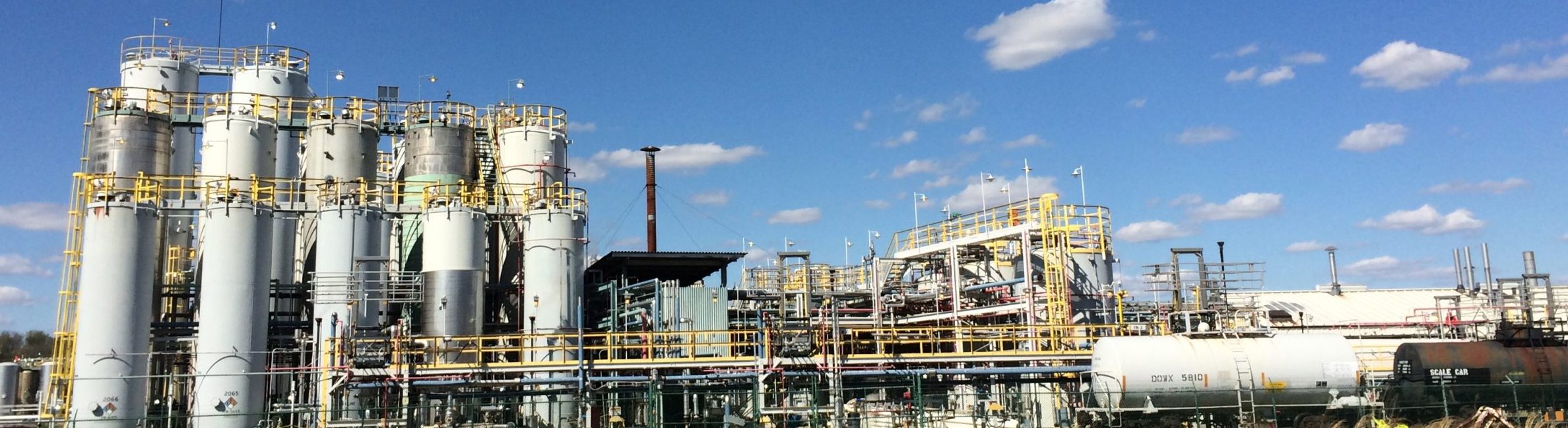
Oil Refinery MesotheliomaOil refinery mesothelioma risk for workers – No doubt you’ve passed them as you’ve driven down the highway. You know, those sprawling industrial complexes lined with numerous tanks, smoke stacks, and miles of pipeline; plants that take crude oil and process them into useful products like gasoline, kerosene, or heating oil.

You’ve probably turned up your nose at the smell or maybe even commented about how these oil refineries were affecting the environment.

Indeed, oil refineries aren’t the prettiest part of any town’s skyline but they necessary to keep America running, and the individuals who work inside or outside of the U.S.’s dozens upon dozens of refineries are hardworking employees who face numerous dangers on a daily basis.

From the time of the first U.S. refinery, built in 1862, until today, refinery workers have been injured, maimed, or killed on the job for a variety of reasons, ranging from carelessness on their part to unavoidable accidents to outright neglect on the part of their employers.

That’s where asbestos enters the picture

Through much of the 20th century, when the growing use of the automobile prompted the building of more refineries, asbestos could be easily spotted in these facilities.

Indeed, because asbestos was so fire resistant, it seemed like the perfect material for a number of uses at refineries around the country and it no doubt prevented many tragedies. However, it caused others. It made people sick.

Oil Refinery Asbestos Use

For decades, a sizable number of products used in oil refineries contained asbestos. These included:

• A variety of electrical products
• Insulation/pipe covering or block
• Asbestos paper
• Millboard
• Cement
• Refractory products for kilns, furnaces, reactors, etc.

It’s likely that those who worked in oil refineries during the years of asbestos use would remember encountering those products on a regular basis. Those same refinery workers might even remember that the products were stamped with the names of the companies that manufactured the items, including:

• Johns Manville
• Keene
• Atlas Turner
• U.S. Gypsum
• Unarco
• National Gypsum
• Celotex
• Raymark
• GAF
• Carey
• and many others

Asbestos Diseases: Who’s to Blame?

Even a perfunctory review of the mesothelioma cases that have been filed over the last few decades show that refinery workers – especially those who worked in the industry prior to about 1980 – have been prime candidates for developing the disease due to exposure to the above-mentioned types of products.

For most of those victims, the disease came as a surprise. That’s because their employers never warned them of the risk of working closely with asbestos, especially asbestos that was damaged or had to be cut, sawed, or ground to fit a particular application.

So it was rare that oil refinery workers wore masks while working with the toxin, making it likely that they inhaled the dangerous dust that resulted from their work.

So, who’s to blame? Only an experienced mesothelioma attorney can provide a definitive answer, but it’s likely that workplace exposure was not your fault.

If you’re suffering from an asbestos-related disease, discuss the particulars with a lawyer to determine whether or not you (and/or your family) is eligible for compensation due to workplace neglect.

[Refinery]

Grief Counseling May Help Mesothelioma Patients

Grief CounselingIf you’ve ever been dealt a serious blow of any sort, whether that issue is connected with you personally or with a friend or member of your family, you probably recognize how difficult it is to carry on without it having some effect on your life.

Perhaps you find it difficult to work or to continue with day-to-day activities. Maybe you’ve lost your zest for life. You might even sink into a deep depression and consider harming yourself.

That’s often what it’s like for a mesothelioma patient, who – once they are educated about their disease – realizes that they are facing death much sooner than expected. This is true for the close family members of the mesothelioma victim as well. They see the proverbial writing-on-the-wall and, hence, life changes from this point on.

That’s why it’s important for terminally ill patients with asbestos-related cancer to consider some sort of counseling and, often, grief counseling is the answer.

What is Grief Counseling?

The term “grief counseling” usually denotes counseling that will occur after a loss. While that’s true, many cancer patients have found it to be helpful while they are still alive but facing death sometime in the not-too-distant future. After all, the terminally ill patient has already begun to grieve.

He or she ponders the future and recognizes the fact that he/she will not grow old with their spouse, will miss momentous family events like weddings and births, and will not be able to complete the plans he/she had for their life. Grief counseling can assist with coming to grips with these losses.

Often, grief counseling is based on the stages of grief touted by Dr. Elisabeth Kubler-Ross, who wrote the book “On Death and Dying” in 1969. She notes that individuals who are bereaved usually progress through five different stages: denial, anger, bargaining, depression, and acceptance. Each individual progresses at a different pace and may stay in one stage longer than another, but psychologists have found that Kubler-Ross’s theories are pretty much on the mark.

A grief or bereavement counselor can assist the patient – and the patient’s family members – in making their way from one stage to another, eventually coming to accept the fact that death is a given because of this dreadful disease. Counselors use a variety of different techniques to help their patients.

Some use just “talk” therapy while others may employ the use of tools such as music or art therapy, meditation, or role playing. Whichever technique is used, the end goal is to take the individual by the hand and lead him/her back into as normal a life as possible.

Where Do I Find a Grief Counselor?

Bereavement counselors are plentiful so it’s usually not difficult to locate one. A good place to start is to ask a member of the patient’s medical team if they can provide a recommendation for such a counselor.

In some instances, if the patient is in the hospital for an extended period, such counseling can happen in-hospital by a member of the staff. Large cancer centers, especially, often make such counseling part of the patient’s care regimen.

Paying for such counseling for the patient and/or the family can be expensive. If you are filing an asbestos-related lawsuit, money from a successful settlement can help pay for counseling. Talk to your attorney about the need for counseling while discussing the particulars of your lawsuit.