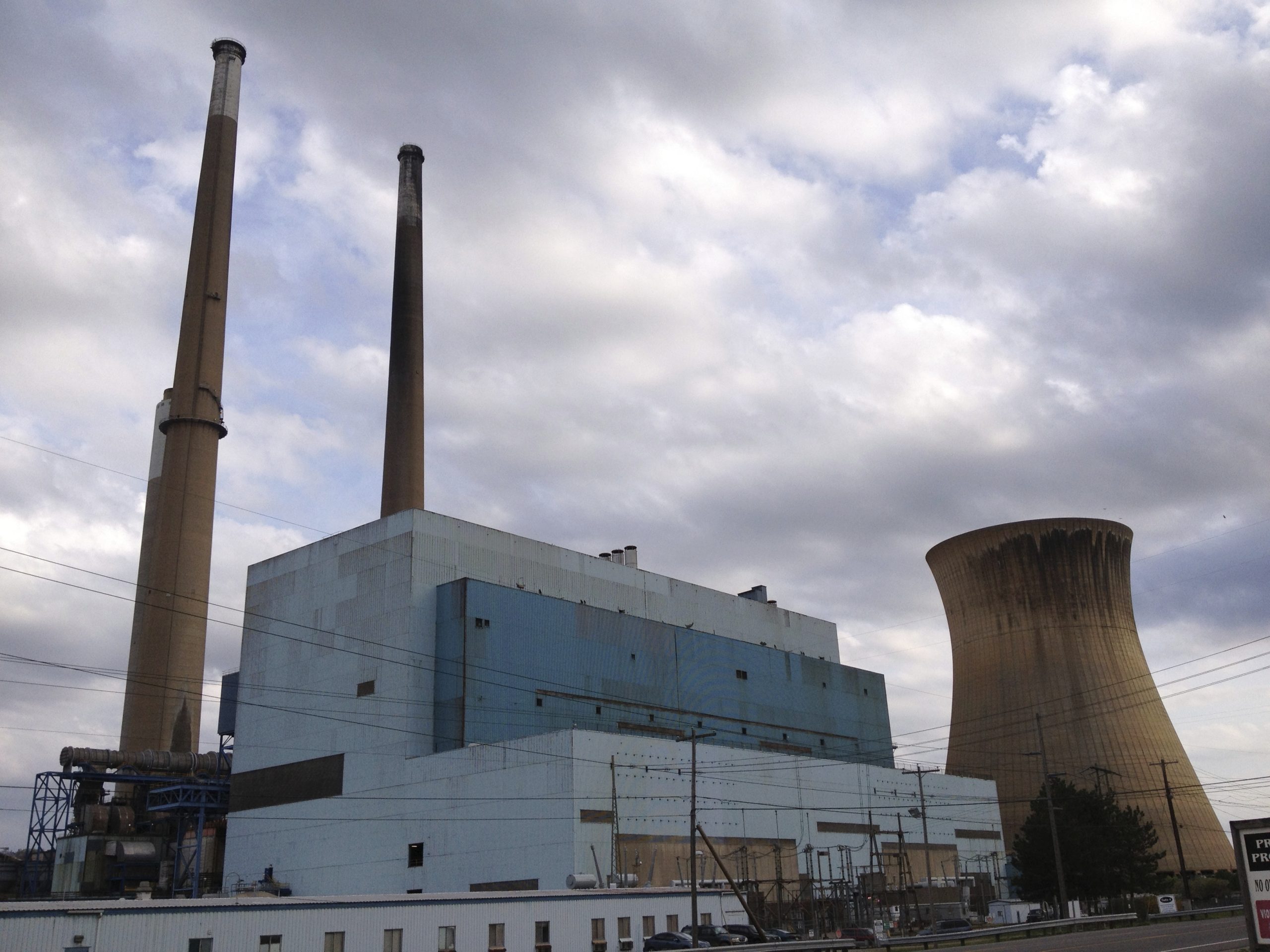
Asbestos Health Risks a Genuine Concern for Painters

Painters Asbestos Exposure During RenovationWe’ve all done some painting in our lifetimes. Maybe it was that first apartment of yours – the one with the lime green walls. Or perhaps you’ve tackled larger projects, like the exterior of your home. Some DIYers love to paint, others hate it. Still, there are many individuals that make their living as painters, coming to the rescue of those of us who simply dislike the task.

Since the post-war housing boom of the 1950s, U.S. painters have been kept quite busy when it comes to residential jobs. Some painters also specialize in commercial applications, employed by businesses small and large to paint everything from walls to water towers.

In many ways, painting can be quite a dangerous job, involving working at great heights, working in poorly insulated areas, and – not least of all – working around asbestos-containing materials.

Where’s the Asbestos?

Those not involved in the painting industry but be surprised to learn that many paints once contained asbestos. In addition, a wealth of compounds, protective coatings, and other items regularly used by painters also once contained asbestos. As a matter of fact, these items – manufactured as early as the 1930s up until the mid-1970s – often contained quite sizeable amounts of the toxic mineral.

Some of the companies that manufactured these asbestos-containing supplies included:
• National Gypsum
• Eagle-Picher
• GAF
• Celotex
• United States Gypsum

Other items used by painters or encountered by painters while on-the-job also included tape (such as Raymark’s “Allbestos” tape) and wallboard products such as those made by Johns-Manville or National Gypsum.

For painters who regularly worked on exteriors of homes or other buildings, exposure to shingles, siding, and roofing meant the likelihood of inhaling asbestos. Even today, one can identify thousands upon thousands of U.S. homes that still feature asbestos siding or shingles, making the job of removing them quite dangerous. These asbestos products may have been manufactured by the companies noted above as well as:
• Carey
• Ruberoid
• Keasbey & Mattison
• And many others!

Avoiding Asbestos

Painters have always been responsible for more than just putting a coat of color on a wall or other surface. These tradesmen must do a plethora of preparation when charged with a particular painting job. That means doing things like scraping, patching, filling, caulking, sanding, and anything else necessary to produce a suitable finished product. It is often during these tasks that painters were (or will be) exposed to dangerous asbestos dust. Whenever asbestos-containing materials are compromised, inhalation becomes a very real problem.

That means painters should ALWAYS wear protective gear when working in an environment that may include asbestos-containing products. This also means that painters should carefully assess each project before beginning, especially if the job involves working in an older home or commercial location where asbestos products are likely to still be present. Furthermore, the painter who’s working with asbestos materials should ALWAYS change clothes and (if possible) shower before heading home. It isn’t unusual for asbestos dust to gather on clothes and on the body, meaning unnecessary secondary exposure could occur with poor habits.

Mesothelioma and Painters

Many painters of decades past have learned of the dangers of asbestos exposure years and years after practicing their trade. Some have already been diagnosed with mesothelioma or other related diseases, such as asbestosis. If you believe that you or a loved one was exposed to dangerous asbestos while on-the-job and you or your family member is suffering from an asbestos-related disease, contact an attorney today to learn of your legal rights for compensation.

Asbestosis Nothing to Cough About

Asbestosis Nothing to Cough AboutIn the world of asbestos exposure, there are those that emerge unscathed, there are others who wind up with mesothelioma cancer, and then there are some who walk away with a lung disease known as asbestosis.

The latter, while not a form of cancer, can be just as debilitating as mesothelioma though it carries a better prognosis and victims can often live with the disease for years.

That’s not to say, however, that those stricken with asbestosis won’t have a tough road ahead of them.

What Causes Asbestosis?

Just like mesothelioma, asbestosis is caused by exposure to and inhalation of asbestos fibers. The disease is commonly linked with the amphibole form of the mineral, which boasts thin, straight fibers rather than the curly ones associated with the more toxic serpentine variety.

Inhalation of these sharp fibers scars the lungs, causing thickening and hardening of lung tissue and making breathing difficult.

Symptoms of Asbestosis

Like mesothelioma, it can take some time for asbestosis to develop and for it to be diagnosed. Patients will often undergo a large amount of testing before a determination is made. However, every case is different and some people with asbestosis will suffer few symptoms while others are plagued with debilitating ones.

According to the American Lung Assocation, the most prevalent symptoms of asbestosis are:

• Shortness of breath
• Tightness in the chest
• A productive and persistent cough (one that produces mucus)
• Chest pain
• Loss of appetite
• A crackling, dry sound in the lungs, most evident when inhaling

When a patient who was exposed to asbestos appears with these symptoms, doctors will most likely determine a diagnosis through lung function tests, x-rays or other imaging tests, and perhaps a biopsy (to rule out mesothelioma).

Dealing with Asbestosis

There is no cure for asbestosis but it is treatable. Some patients will be able to lead very normal lives with treatment while others may find that their disease continues to progress and becomes more difficult to control.
Those with asbestosis will want to take whatever steps are necessary for loosening the music in their lungs so that can be expelled.

That might include something as simple as pounding on the chest or back to loosen the mucus or sitting/laying in a position that helps drain the mucus. Other options include medications that thin the mucus.

When the disease progresses, victims may decide they need oxygen to help them breathe. Severe cases may be candidates for lung transplants.

Furthermore, anyone with asbestosis who smokes cigarettes should cease smoking immediately. Smoking aggravates the disease. Worse, however, is the fact that a smoker with asbestosis has a much higher chance of developing mesothelioma than an asbestosis victim who does not smoke.

Preventing Asbestosis

For workers of today, preventing asbestosis is much simpler. Individuals who might encounter asbestos on-the-job should always wear protective gear. Furthermore, compared to asbestos use of old, there is little asbestos used in the U.S. in the 21st century, so exposure is much less likely.

However, those working in old factories or homes, or with older automobiles should always be on the lookout for the material.

If you regularly worked with asbestos in the years before about 1980, you may be a prime candidate for the disease or you may have already been diagnosed with it. Tens of thousands of individuals were unknowingly exposed to the toxic mineral during their work lives and are now suffering from this and other related diseases.

If this describes you, remember that you may have some legal recourse in regards to this negligent exposure. For more information, consult an experienced attorney about potential compensation for your suffering.

Asbestos Trust – What You Need To Know

Asbestos TrustIf you’re currently involved in asbestos-related litigation or if you’ve been doing some investigation into the possibilities of filing an asbestos-related lawsuit, you’ve probably come across some information about asbestos trusts.

Perhaps you’re a little confused as to what these trusts are and who might benefit from them. Below we’ve offered a bit of introductory information about these trusts in hopes that you’ll be able to better understand how they work.

What’s an Asbestos Trust?

Throughout the years, many companies that were responsible for asbestos injuries and were subsequently bombarded with lawsuits filed for bankruptcy and then bankruptcy reorganization, which – when successful – protects them from lawsuits but allows them to stay in business. These companies can be large – like Johns-Manville, W. R. Grace, and Pittsburgh Corning – or much smaller.

The U.S. Bankruptcy code then allows for the creation of so-called “asbestos trusts”, funds into which these companies must deposit monies in amounts large enough to handle current and future asbestos claims. Courts must approve the amount that is to be set aside, based on former claims as well as the potential for further litigation against the company. Economists and legal experts are brought in to help with the determination. The first numbers submitted don’t always meet with the court’s approval so sometimes it takes years and years for the trust to finally be established.

Who Operates the Asbestos Trust?

Once an asbestos trust fund is put into place, it is removed from the hands of the particular company responsible for depositing the funds. The company does not review claims made against the trust nor do they decide who gets the money and who doesn’t.

Instead, the trust is operated by a “trustee”, an appointed person or persons who make the decisions for the trust. However, the trustee(s) must follow certain pre-designated procedures to make these determinations so that all decisions are made in a fair and equitable manner.

What is Needed to File a Claim?

To file an asbestos trust claim, you’ll need much of the same information as you’d need to file any other litigation.

• Confirmation of diagnosis – You’ll need to show that you’ve been to a doctor or doctors and that you are definitively suffering from an asbestos-related disease. Most likely, there will be forms to be filed by these physicians or statements to be signed. The physicians will also need to determine to what extent asbestos exposure contributed to your disease.

• Proof of exposure – Plaintiffs filing for compensation from a trust fund will need to establish proof of who was responsible for their exposure. Items such as witness statements and employment records may be needed as well as other similar documentation. It may take some time to assemble this needed documentation.

Can You File a Trust Claim and a Lawsuit?

Rules about asbestos trust claims and the legal process vary from state to state, but mesothelioma victims should know that filing for funds from a trust could affect the outcome of a lawsuit and the amount of compensation received overall.

Only an experienced asbestos attorney can guide you towards the path that will provide you with the most positive outcome for you and your family members.

Millwrights Note Health Problems Due to On-the-Job Asbestos Exposure

Millwrights Note Health Problems Due to On-the-Job Asbestos ExposureThe duties of a millwright probably include those tasks that many people take for granted. For example, when one has the opportunity to observe a shiny new factory, a refinery, a steel plant, or something similar, it’s usually in a state of completion and ready to run. However, it’s the nation’s millwrights that are largely responsible for putting together those operations.

In the early days, a millwright was a tradesman who worked on watermills and windmills, mostly with wood. It was from these duties that the millwright got his name. Millwrights of the Industrial Revolution often found themselves toiling in textile mills. As the 20th century rolled in, these craftsmen were charged with the tasks of working with steel and other metals/materials to install industrial machinery or to assemble that machinery from pre-fabricated parts. These machines might include escalators, conveyor systems, turbines, generators, and more.

You’ll find millwrights in a variety of industries, including:
• Steel mills
• Refineries
• Assembly plants
• Power stations
• Print shops
• Mining operations

Millwrights undergo a great deal of training for their trade and must be skilled in reading blueprints and schematics. These days, millwrights also take several courses in safety. Perhaps those courses would have come in handy during the years when asbestos was in use.

Millwrights and Asbestos Exposure

In the years before about 1975, many of the parts millwrights used in the assembly of heavy machinery were made of asbestos, coated with it, or contained asbestos materials. These included items such as gaskets, valves, and insulation. On the job, they may have also come in contact with other items containing asbestos, such as asbestos tiles or asbestos-containing plaster, cement, or drywall.

Millwrights often used tools that may have compromised the asbestos materials. Grinders, blow torches, welding rods – all of those tools most likely damaged or altered the asbestos materials in a way that caused toxic dust to permeate the air. But because it was necessary for the millwright’s work to be exacting, tight fit was essential as was fireproofing, and asbestos was hardly ever left the way it was found.

Furthermore, when millwrights were charged with the task of repair or removal of machinery containing asbestos, more exposure occurred. Anyone in the vicinity of such work may have inhaled dangerous dust when insulation was stripped from a boiler, for example, or coated materials had to be forcibly removed.

Why Weren’t Millwrights Protected?

As with other occupations exposed to asbestos on-the-job, millwrights were often “sold a bill of goods”, so to speak. For decades, workers were told that asbestos was safe, despite the fact that lawsuits from recent years have uncovered memos from company doctors noting disturbing health problems among those who were exposed to the toxic mineral on a regular basis.

As such, millwrights thought nothing of working in tight, poorly-ventilated spaces where asbestos was present. Often, they went home with the dust on their hair and clothes, exposing their families to asbestos as well.

Furthermore, even when more evidence became available about the dangers of asbestos, millwrights were not provided with respirators or any other sort of protective clothing while working. The result was a generation or two of millwrights who have already developed asbestosis or mesothelioma, or may still be likely to be diagnosed with some sort of asbestos-caused illness.

If you or a loved one was a millwright and are now suffering from mesothelioma, it’s time to learn more about legal rights for compensation. Many millwrights have already been compensated for their injuries. It’s your turn!

Despite Progress, Prognosis Still Grim for Mesothelioma Victims

Despite Progress, Prognosis is Still Grim for Mesothelioma VictimsMesothelioma victims – Ask any oncologist to list the most-difficult-to-treat cancers and there’s no doubt that mesothelioma will be on the top of most – if not all – of their lists. It’s a frustrating disease that has doctors wringing their hands and wishing they could do more.

So, what makes mesothelioma such a hard disease to treat and why is the possibility for a positive prognosis rare? Is there any chance that the mortality rate might change in the years ahead?

Mesothelioma Latency Period

The answer to the first part of the question has to do with the particulars of the disease and how it manifests itself. Literally, mesothelioma can “hide” in the body for decades – sometimes as long as 50 years – before it appears.

Though there have been some exceptions to this long latency period (particularly among 9-11 first responders who were exposed to excessive amounts of asbestos all at one time), those who’ve worked in professions that include steel workers, oil refinery employers, pipefitters, plumbers, electricians, welders, and insulators have often been surprised to learn of the presence of mesothelioma years and years after they’ve been exposed.

Misdiagnosis of Symptoms

Because of this lengthy latency period, when symptoms do arise, no one is thinking about asbestos and cancer. Consider the symptoms of mesothelioma, which include:

• Coughing
• Chest pain
• Shortness of breath
• Fatigue

These symptoms can apply to dozens of common ailments, from heart problems to bronchitis. That means more time is often lost before a correct diagnosis is made and treatment is further delayed. Often, by now, the cancer has reached stage 3 or 4.

Researchers have been working on tests that identify the biomarkers of mesothelioma in order to diagnose the disease earlier. For example, blood tests like the FDA-approved MESOMARK© assay scan an individual’s blood for soluble mesothelin-related peptide, a sure sign that the disease could be present or developing.

Determining a Prognosis

Once a diagnosis is made, doctors rely on these factors to determine a prognosis.

• Type of mesothelioma – pleural, pericardial, peritoneal, or testicular. This is determined by using imaging and biopsies
• The size of the tumor
• The location of the tumor and whether or not it can be treated surgically (is “resectable”)
• Which symptoms are present and the extent of those symptoms
• Whether the disease has spread to other areas of the body (metastases)
• The overall health of the individual – Many victims of the disease are older and already have a host of other medical problems with which they contend.

Survival Rates

Survival rates for cancers of all types are usually measured by something called the 5-year survival rate. This is based on the number of people who are still alive five years after their diagnosis. This number is very low for meso patients. The American Cancer Society put it at about 5% to 10%. It’s not a very encouraging statistic.

While those who are diagnosed at a younger age do tend to live longer, the numbers are still grim, especially because the disease – in many cases – could have been avoided if employers had been more diligent about protecting their workers from asbestos exposure. Researchers continue to work hard towards developing new treatments for the disease, but there are still miles to go before the road ahead looks brighter.

Auto Parts Containing Asbestos Put Mechanics At RIsk

Auto Parts Containing AsbestosAre you a car guy…or girl? Many Americans are gaga over their automobiles. Some collect them. Others make a habit of buying old ones and rebuilding or repairing them so that they’re good as new.

For some individuals, every weekend is spent working on those cars until everything is just right and they can show off that masterpiece to their family and friends.

Or maybe you make your living as an auto mechanic. There are tens of thousands of certified mechanics in the United States, standing ready to service some of the 235 million or so cars and trucks on America’s roadways.

It’s a profession that Americans couldn’t do without, and most people will tell you that it’s super helpful to have a mechanic you can trust to work on your car(s).

Working as a mechanic comes with some risks, though the job is certainly not as dangerous as being perhaps a firefighter, an electrician, or even a pipefitter, right? Not necessarily. Anyone who works on an old car or on a car that contains parts not recently manufactured in the U.S. might be putting themselves at risk for asbestos exposure because of auto parts containing asbestos.

Consider the inside of a car. Many of the elements found under the hood and elsewhere in a car’s mechanical system create friction in order to function properly. That means heat is generated.

So, for decades, manufacturers of these so-called friction parts used asbestos in their products so as to avoid the chance for fires to develop.

Car-related items that may have contained asbestos include:

• Hood liners
• Brake pads
• Brake linings
• Brake blocks
• Clutch facings
• Transmission parts
• Gaskets
• Heat seals
• Valve rings
• Packing materials

Just as with other asbestos items, if the asbestos in the above-mentioned parts is not disturbed, a problem is not likely. But because mechanics and DIYers generally perform tasks that involve moving and removing components, filing, drilling, etc., dust is generated and asbestos inhalation can become a problem, especially when a car manufactured prior to about 1975 is involved.

It is these older autos that represent the highest risk to the person doing the repairs.

Companies that manufactured asbestos-containing auto parts included:

• Raybestos
• Johns Manville
• Owens Corning
• Bendix
• Cooper Industries
• RPM International
• Dana Corporation
• And many others

In addition, the fact that mechanics often work in small, unventilated spaces such as garages, makes the possibility of inhalation of fibers even more likely. This was especially the case decades ago when agencies like OSHA were not involved in making sure working conditions were safe for mechanics and others in similar positions.

Today, mechanics and their employers should be taking precautions to make sure that asbestos inhalation does not occur. Simple steps can help avoid an eventual cancer diagnosis. For example, auto shops should contain a HEPA vacuum system with components that can trap asbestos dust before it escapes.

OSHA also demands the use of low pressure wet cleaning methods when cleaning brakes and clutches, etc. It keeps airborne dust from escaping. Mechanics should never use water hoses or squirt bottles to clean parts and should be aware that items such as generic shop vacs are not sufficient for collecting asbestos fibers.

If you know someone who’s developed asbestosis or mesothelioma from on-the-job exposure as an auto mechanic, it’s important to gather as much information as possible about the contamination and to see an attorney to learn what legal rights accompany this negligent exposure. It may not be too late!

Products Containing Asbestos – What Made You Sick?

Products Containing AsbestosAmerica changed in the 1800s. With the onset of the Industrial Revolution, which historians say began in about 1830 and spread out over the next century or so, production of goods moved from home businesses to factories where machines now aided in the manufacture of countless products that supported the growth of America and would transform the lives of Americans from coast to coast.

With the Industrial Revolution came many new technologies and many new products. Though asbestos, which enjoyed its earliest modern uses in items such as the steam engine, wasn’t a product of the Industrial Revolution – it’s a naturally-occurring mineral – its use did indeed skyrocket during this time. By the mid-20th century, products that contained asbestos numbered in the tens of thousands and were way too numerous to count.

Asbestos in the Home

A list compiled by a government consumer-related agency once noted that some 3,000 “household” products containing asbestos in the years prior to about the mid 1970s. These included items that were handled nearly every day by the homeowner, especially housewives and even children. Even some popular beauty products included asbestos materials.

These items included:

• Hairdryers
• Ironing board pads and covers
• Irons
• Coffee pots
• Toasters
• Crock pots
• Electric blankets
• Portable dish washers and heaters
• Decorative fireplace logs
• Pot holders and oven mitts
• Make-ups and talcum powders
• Potting mixes and pesticides
• Attic insulation
• Shingles and tiles
• And much more!

That means EVERYONE in the house might have been exposed to this toxic “miracle mineral”, from the youngest of children to mom and dad. Though these items no longer contain asbestos, even that long ago exposure could cause an eventual diagnosis of asbestosis or mesothelioma.

Other General Products Containing Asbestos

Those who worked outside the home in a variety of industries were exposed to a bevy of other asbestos-containing products. Shipbuilders, plumbers, pipefitters, construction workers, welders, electricians, insulators, auto mechanics, firefighters, and a long list of other workers encountered such products nearly daily while working in their fields, particularly prior to the 1980s.

Among the products most responsible for causing mesothelioma and other lung-related diseases are:

• Adhesives
• Drywall tape
• Cement
• Insulation
• Gaskets
• Valves
• Textile cloths like firefighter suits, blankets, ropes, stage curtains
• Brake pads
• Clutches
• Hood liners
• Electrical cloth
• Laboratory hoods
• Some plastics and vinyl products
• Mastics
• Ductwork connectors
• And much more

Remember, in its solid intact form, asbestos usually wasn’t dangerous. But any time it became damaged or was cut, sawed, drilled, or manipulated in any way so as to cause fibers to circulate through the air, asbestos became toxic. Inhalation of even the tiniest amount of asbestos, be it from an old hairdryer or something much larger, could have caused tumors to form.

If you believe you were regularly exposed to toxic asbestos products and are now suffering symptoms like chest pains, shortness of breath, coughing, and fatigue, see your doctor and tell him/her about that exposure. The sooner a definitive diagnosis is made, the more options are available for treatment.

The Four Types of Mesothelioma

Not all types of mesothelioma diagnoses are created equal. While a few types of the disease are the most common, a victim of this type of cancer can be diagnosed with one of four types, each named for the part of the body affected by the disease. Below is an overview of each type including information that will help you – the patient, or you – the caregiver – better understand the specifics of the disease.

Read more

What Job Caused YOUR Exposure to Asbestos?

25 Years Experience, West Virginia Asbestos Lawyer, Asbestos Lawyer, Mesothelioma Lawyer West Virginia, Lee W. Davis, Mesothelioma, Mesothelioma Cases, Asbestos Related Lung Cancer Cases, Smoking, Steelworkers, Pipefitter, Boilermaker, Millwright, Laborer, Carpenter, Steamfitter, Mesothelioma, Legal Information, west virginia accident attorney, legal injury, west virginia injury attorney, wv law firms, what is a plaintiff lawyer, best law firms in us, best law firms in the us, the best law firms, lee law offices, us best law firms, Plaintiff law firm, litigation firm, weirton, what is litigation law, davis law offices, lawyer legal firm, Asbestos, Parkersburg, Asbestos Law, Wheeling Asbestos Law, Charleston asbestos law, weirton steel

Back as far as the days of the Holy Roman Empire, individuals thought asbestos to be a “miracle mineral”. Legend has it that the Emperor Nero used tablecloths woven from asbestos at his lavish parties, simply throwing the cloths in the fire at the end of the night, where – amazingly – they would become clean but would not be consumed.

But even back then, historian Pliny the Elder made public his concerns about the slaves who worked in the asbestos mines of old, noting how many became horrendously ill and how many died at a very young age. As a matter of fact, after working in the mines himself, he encouraged others not to hire slaves who had been miners, citing their poor health and inability to work.

Skip several centuries and you reach the Industrial Revolution, which had workers around the world flocking to newly-minted factories that made all sorts of wondrous products. These factories made rampant use of asbestos-containing materials, intent to avoid fires by using this miracle mineral, which was the best fire-resistant substance known to man. It wasn’t long, however, before doctors of the 19th and early 20th centuries began to make the same connections as Pliny the Elder did centuries before. As early as the first decade of the 1900s, one can find documented cases of asbestos-related diseases among factory workers. Shortly thereafter, doctors gave the disease the name “asbestosis” because of its likely cause.

When the U.S. entered World War II, asbestos exposure was about to reach an all-time high. Both men and women were soon employed in large numbers – both as military and civilian workers – in the nation’s shipyards, airplane manufacturing facilities, and munitions factories. All of those workplaces were filled with asbestos and workers were exposed on a daily basis. Shipbuilders suffered the most, often working to repair damaged ships full of asbestos in a hurry, intent on getting them back in commission. Hence, shortcuts were taken and little or nothing was done to protect workers from inhalation of dangerous fibers.

Through the decades, a variety of other industries used asbestos-containing products of all sorts. Those who were affected may have worked in the jobs listed below.

• Mechanics and other automotive repair personnel

• Power plant workers

• Railroad employees

• Construction workers/contractors

• Miners

• Steel mill employees

• Oil refinery workers

• Asbestos product manufacturers


On and after September 11, 2001, a whole new breed of worker suffered serious asbestos exposure – namely, the firefighters, police, and emergency responders who helped with search and rescue and clean-up of the World Trade Center site, wading through tons and tons of toxic debris. The exposure was so severe that the first death from asbestos-caused mesothelioma was reported in 2004. EMS Deborah Reeve, age 41, died that year of a disease that normally takes decades to develop.1


What job caused your asbestos exposure? Could it have been avoided? Were you warned about the risks by an employer or manager?

Remember, it’s been centuries since the dangers of asbestos became evident yet factory owners and employers continued to make use of the material until the late 1970s with little or no regard for the health of their workers. If you’ve been sickened by asbestos, you may be able to obtain compensation for your suffering. Don’t hesitate to gather more information about your rights by contacting an experienced asbestos attorney.

1 http://honorees.nemsms.org/reevd07.htm

Boilermakers Exhibiting High Rates of Mesothelioma

What’s a boilermaker? Ask the average person that question and they’ll probably reply with an answer that has something to do with the football team at Purdue University, dubbed The Boilermakers way back in the 19th century due to their burly physiques and tough nature.

Read more