Michigan Refinery Asbestos Exposure – Legal Help for Refinery Workers
michigan refinery asbestos exposure

Michigan Refinery Asbestos Exposure has impacted thousands of workers across the state’s petroleum processing, chemical refining, and fuel distribution facilities. For decades, refineries in Detroit, Dearborn, River Rouge, and along the industrial corridors of Southeast Michigan relied heavily on asbestos-containing insulation, pipe covering, gaskets, packing, cement, and heat-resistant materials. These products were used on pipelines, boilers, reactors, compressors, distillation towers, and other high-temperature equipment. As a result, many refinery employees were never warned of the danger—and today face diagnoses of mesothelioma, lung cancer, and other asbestos-related diseases.

Mesothelioma/Asbestos Legal Help – WV, MI & PA

Speak directly with attorney Lee W. Davis. No call centers. Free, confidential review.

How Michigan Refinery Asbestos Exposure Occurred

Workers in refineries were especially vulnerable because asbestos was used for nearly every process involving heat or pressure. High-risk exposure pathways included:

  • Insulation removal and replacement during shutdowns or turnarounds
  • Gasket and flange work on pipelines and pump systems
  • Maintenance on boilers, turbines, and furnaces lined with asbestos materials
  • Repairs on distillation columns and cracking units that contained asbestos wraps and blocks
  • Grinding, cutting, or scraping old asbestos insulation during routine maintenance
  • Contractor and specialty workers brought in for outages or upgrades who disturbed asbestos without proper PPE

Michigan’s largest refineries—including Marathon Detroit, the former Total and Gulf facilities, and multiple distribution terminals—used asbestos products consistently through the 1980s.

👉Asbestos Job Sites in Michigan

Health Risks from Michigan Refinery Asbestos Exposure

Refinery workers face among the highest asbestos disease rates due to the intensity of industrial exposure. Diseases linked to refinery asbestos include:

Most diagnoses occur 30 to 50 years after exposure, meaning today’s Michigan cases often trace back to refinery work performed in the 1960s through the 1990s.

Why an Attorney Matters for Refinery Exposure Cases

Asbestos cases involving Michigan refineries require knowledge of:

  • The specific asbestos-containing products used in refinery operations
  • The contractors, insulation companies, and equipment manufacturers responsible
  • Historic refinery layouts and job assignments
  • How to file claims through asbestos trust funds and litigation

Attorney Lee W. Davis has decades of experience handling complex industrial asbestos cases across Michigan, including representing workers from auto plants, foundries, steel mills, and petroleum refining operations. His background working on thousands of GM Saginaw foundry cases (1996–1999) strengthens the foundation of Michigan-based industrial exposure claims.

Compensation for Michigan Refinery Asbestos Exposure

Workers may qualify for:

  • Payment from asbestos bankruptcy trust funds
  • Claims against equipment or insulation manufacturers
  • Wrongful death compensation for families
  • Settlements for mesothelioma and lung cancer

Even if a refinery changed ownership, merged, or shut down, claims are still possible.

Free Michigan Consultation

If you or a loved one worked in a Michigan refinery and later developed mesothelioma or lung cancer, legal help is available.

📞 Call (412) 781-0525

Free, confidential consultation.

Check If Your Family Was Exposed

Get your free guide instantly + a confidential case review.

🔒 100% Confidential. No obligations.


FAQs – Michigan Refinery Asbestos Exposure

1. Which Michigan refineries used asbestos?

Facilities in Detroit, Dearborn, River Rouge, and other industrial hubs used asbestos insulation, gaskets, pipe covering, and heat-resistant materials well into the 1980s.

2. Does a refinery worker need to know which asbestos products they used?

No. An experienced attorney can identify likely product manufacturers based on the era, unit, job duty, and refinery structure.

3. Can refinery contractors file asbestos claims?

Yes. Pipefitters, insulators, boilermakers, mechanics, and other contractors often faced the same or greater exposure during outages and turnaround work.

4. Are claims still possible if the refinery has closed or changed ownership?

Yes. Many responsible companies established asbestos trust funds that still pay valid claims today.

Mesothelioma/Asbestos Legal Help – WV, MI & PA

Speak directly with attorney Lee W. Davis. No call centers. Free, confidential review.

Livonia Engine Asbestos Exposure – Michigan Legal Help for Workers

livonia engine asbestos exposure

Workers harmed by Livonia Engine Asbestos Exposure often never learned the full extent of the danger until decades later—long after asbestos insulation, gaskets, packing, brakes, turbines, and high-heat engine components were removed from the plant floors. Across Michigan, engine plants operated with extensive asbestos use well into the 1970s and early 1980s, and Livonia was no exception. For many former employees, a diagnosis of mesothelioma or asbestos-related lung cancer is the first time they realize the risks they faced daily inside the facility.

Asbestos exposure in Michigan’s engine plants shares a consistent pattern: high heat, confined maintenance spaces, heavy equipment vibration, and constant replacement of asbestos-containing parts. When these materials were disturbed—even during routine maintenance—airborne fibers circulated throughout the work area. Those fibers remain in the lungs permanently and can cause disease decades later.


Mesothelioma/Asbestos Legal Help – WV, MI & PA

Speak directly with attorney Lee W. Davis. No call centers. Free, confidential review.


Livonia Engine Asbestos Exposure – Who Was at Risk?

Because asbestos was built into essential engine-production systems, numerous trades inside the Livonia facility faced significant risk:

  • Pipefitters replacing insulated steam lines and valves
  • Boilermakers maintaining high-pressure boilers and heating systems
  • Machinists grinding or machining asbestos components
  • Millwrights repairing motors, presses, and turbines
  • Electricians working around insulated switchgear and wiring
  • Maintenance crews tasked with removing worn gaskets and seals

Michigan’s auto-production boom relied on asbestos because it resisted heat and friction. Unfortunately, that same material caused fatal illnesses for thousands of skilled workers.


Symptoms Linked to Livonia Engine Asbestos Exposure

Many former workers do not associate their symptoms with work decades earlier. Conditions linked to asbestos include:

  • Mesothelioma
  • Lung cancer
  • Chronic shortness of breath

If you worked at the Livonia engine facility—even briefly—and have since developed lung cancer or mesothelioma, you may qualify for compensation even if you smoked. The key factor is occupational exposure, not lifestyle.


Legal Options for Livonia Engine Workers

Michigan law allows former engine-plant employees to pursue:

  • Asbestos trust fund claims
  • Product liability claims against manufacturers of asbestos components
  • Lawsuits involving negligent exposure
  • Claims that do not require suing your employer directly

As an attorney who has handled over 3,200 Michigan industrial asbestos cases, including engine-plant and foundry claims, I know the job duties, the layouts, the component manufacturers, and the exposure patterns.

You don’t need to figure out your work history alone. You just need answers.

👉 Search Asbestos Job Sites in Michigan


Free Michigan Asbestos Case Review

If you or a loved one developed mesothelioma or lung cancer after working at the Livonia engine facility, help is available today.

📞 (412) 781-0525

🌐 leewdavis.com

Check If Your Family Was Exposed

Get your free guide instantly + a confidential case review.

🔒 100% Confidential. No obligations.

FAQs – Livonia Engine Asbestos Exposure

1. What asbestos products were used at the Livonia engine plant?

Asbestos was commonly found in gaskets, valve packing, pipe insulation, turbine insulation, boilers, cement, refractory materials, and heat-resistant engine components. Maintenance and repair work released the most fibers, especially when old asbestos parts were removed, scraped, or machined.


2. Can I file a claim if I smoked but later developed lung cancer?

Yes. Under Michigan law and modern medical standards, smoking does not bar an asbestos lung-cancer claim. The key question is whether you were exposed to asbestos at the Livonia engine facility. Many successful lung-cancer claims involve workers with smoking histories.


3. Do I need to sue my former employer to receive compensation?

No. Most Michigan asbestos cases are pursued against manufacturers of asbestos-containing products, not the employer. Claims often involve asbestos trust funds or product liability suits, which do not require taking action against the Livonia plant itself.


4. How long do I have to file a Michigan asbestos claim?

In Michigan, the statute of limitations generally begins at diagnosis, not at the date of exposure. This means former Livonia engine workers with mesothelioma or lung cancer may still qualify for compensation even if they retired 20–40 years ago.

Mesothelioma/Asbestos Legal Help – WV, MI & PA

Speak directly with attorney Lee W. Davis. No call centers. Free, confidential review.

Detroit Refinery Asbestos Exposure – Legal Help for Michigan Workers

Detroit Refinery Asbestos Exposure

Detroit refinery asbestos exposure has harmed generations of workers across Marathon, Sun Oil, Total Petroleum, and other refinery operations throughout Wayne County. For decades, refineries relied on asbestos insulation, refractory brick, piping systems, boilers, pumps, coker units, and high-heat process equipment—putting workers at extreme risk. If you or a loved one developed mesothelioma, lung cancer, or another asbestos disease after refinery employment in Detroit, you may qualify for substantial compensation.

Mesothelioma/Asbestos Legal Help – WV, MI & PA

Speak directly with attorney Lee W. Davis. No call centers. Free, confidential review.

As someone who handled 3,200 GM Saginaw Foundry cases and has represented Michigan industrial workers for decades, I understand how refinery exposures occurred, how companies concealed the dangers, and how to build strong compensation claims under Michigan law.


How Detroit Refinery Asbestos Exposure Happened

Throughout the 20th century, refineries routinely used asbestos in:

  • Boilers, furnaces, and heat exchangers
  • Piping networks and steam lines
  • Refractory brick in coker and cracking units
  • Gaskets, packing, valves, and pumps
  • Insulated vessels and reactor units

Industrial contractors—including boilermakers, pipefitters, millwrights, electricians, insulators, and maintenance personnel—were exposed daily. Cutting insulation, removing gaskets, repairing boilers, or working during shutdowns released asbestos dust into enclosed mechanical areas.

Even short-term refinery exposure can later cause mesothelioma.


Workers Most Affected in Detroit Refineries

You may have been exposed if you worked as a:

  • Boilermaker
  • Pipefitter
  • Millwright
  • Electrician
  • Maintenance mechanic
  • Refinery operator
  • Insulator
  • Refractory bricklayer
  • Shutdown/outage contractor

Marathon’s Detroit refinery—one of the largest industrial facilities in Michigan—was a major source of occupational exposure for thousands of workers and contractors between the 1950s and early 1990s.

👉 Search Asbestos Job Sites in Michigan


Michigan Refinery Asbestos Claims Are Strong

Michigan refinery asbestos cases remain well-documented due to:

  • Long-term asbestos use across all process units
  • Historical maintenance records and product identification
  • Contractors dispatched from Detroit, Dearborn, Trenton, and Downriver shops
  • Witness testimony from former refinery trades
  • Bankruptcy trust evidence linking products to specific refinery departments

Workers diagnosed today may still be eligible, even if the refinery job was decades ago.


Compensation Available for Detroit Refinery Workers

Depending on your work history and diagnosis, you may qualify for:

  • Mesothelioma and lung cancer settlements
  • Asbestos bankruptcy trust payouts
  • Wrongful death compensation for families
  • Significant financial recovery without filing against a current employer

Most cases resolve without ever going to court.


If You Worked in a Detroit Refinery, You Need Legal Help Now

Mesothelioma and asbestos lung cancer cases move quickly. Early investigation is critical—especially for older refinery workers whose exposure occurred decades ago.

I have handled Michigan industrial asbestos cases since the 1980s, including complex jobsite investigations, workplace identification, and product tracing. If you or a loved one worked in a Detroit refinery and received a cancer diagnosis, you are not alone.


📞 Free Consultation for Detroit Refinery Workers

Call (412) 781-0525 or use the form below for immediate help.

You only pay if compensation is recovered.

Check If Your Family Was Exposed

Get your free guide instantly + a confidential case review.

🔒 100% Confidential. No obligations.


FAQs – Detroit Refinery Asbestos Exposure

1. Which Detroit refineries used asbestos?

Marathon Petroleum, Sun Oil, Total Petroleum, and various Downriver processing facilities used asbestos-containing insulation, refractory brick, piping materials, and high-heat components until the early 1990s.

2. Can contractors file asbestos claims even if they didn’t work directly for the refinery?

Yes. Union trades such as boilermakers, insulators, pipefitters, and millwrights frequently worked outages and shutdowns. Contractors have strong claims.

3. How long after refinery work can asbestos diseases appear?

Mesothelioma often develops 20–50 years after exposure. Even brief refinery work in your 20s or 30s can lead to a diagnosis later in life.

Mesothelioma/Asbestos Legal Help – WV, MI & PA

Speak directly with attorney Lee W. Davis. No call centers. Free, confidential review.

Michigan Millwright Asbestos Exposure – What Injured Workers Need to Know

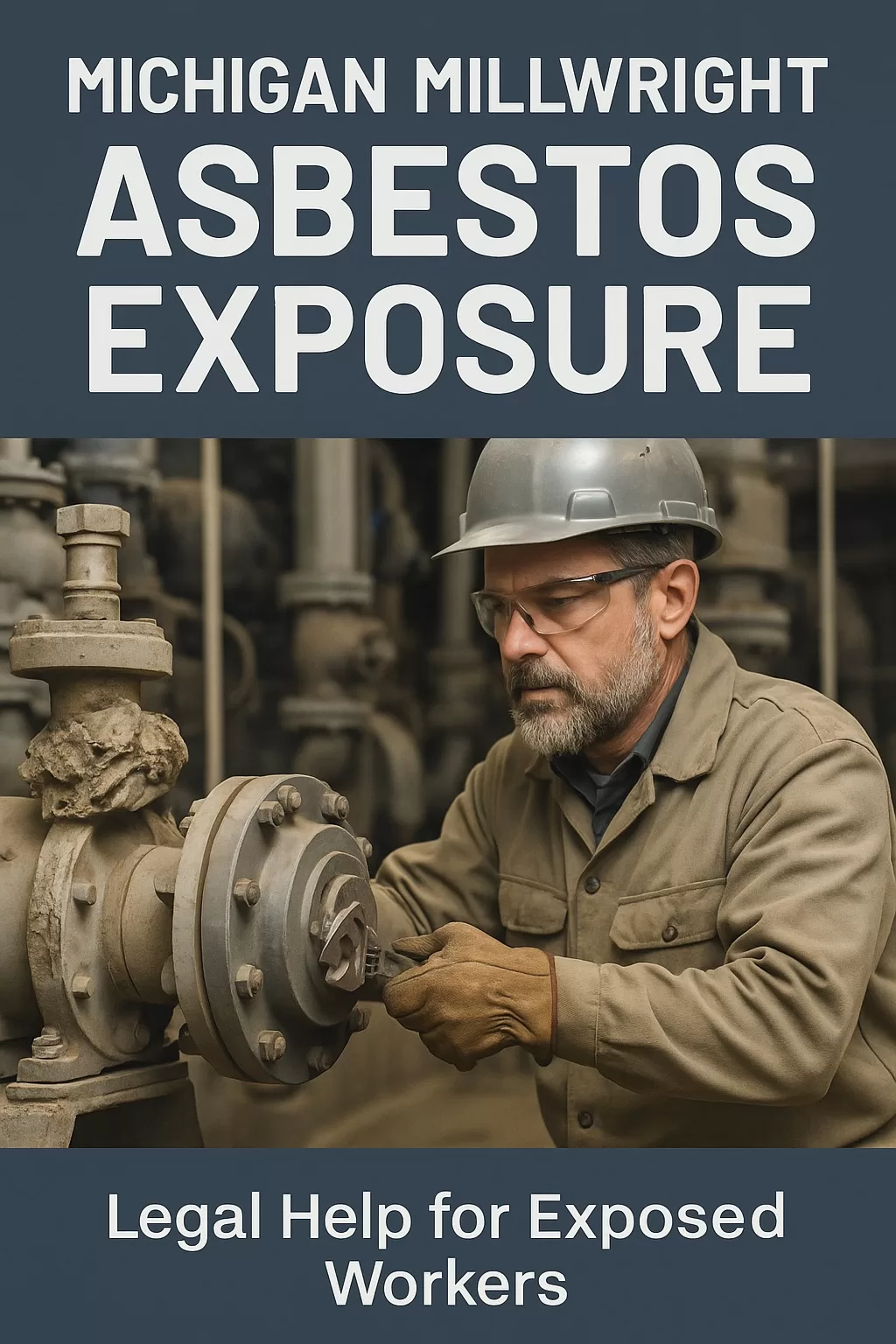
Michigan Millwright Asbestos Exposure

Michigan millwright asbestos exposure has affected generations of skilled tradesmen who kept the state’s industrial plants running. From Detroit’s auto factories to power plants, paper mills, and metal-working facilities across the state, millwrights routinely worked around high-heat machinery, pumps, turbines, and conveyor systems—equipment historically packed with asbestos components. When asbestos fibers became airborne during repairs or maintenance, millwrights faced significant risk of inhalation, often without warning or protection.

Mesothelioma/Asbestos Legal Help – WV, MI & PA

Speak directly with attorney Lee W. Davis. No call centers. Free, confidential review.

Today, mesothelioma, lung cancer, and other asbestos diseases continue to be diagnosed in Michigan workers decades after their exposure. If you or a family member worked as a millwright and now suffer from an asbestos-related illness, you may have the right to pursue compensation.


How Michigan Millwrights Were Exposed to Asbestos

Michigan’s industrial workforce depended heavily on millwrights to install, rebuild, and maintain machinery. Unfortunately, asbestos was deeply embedded in that equipment. Common exposure points included:

• Machinery insulation and gaskets

Turbines, pumps, compressors, and large motors used asbestos gaskets, rope packing, and insulation that millwrights handled directly.

• Brake systems and clutches on conveyor equipment

Asbestos friction materials released fibers when disassembled, sanded, or reinstalled.

• High-temperature piping systems

Millwrights frequently worked beside pipefitters and boilermakers repairing asbestos-covered steam and chemical lines.

• Auto plants, foundries, and steel fabrication facilities

Michigan’s major employers—including GM, Ford, Chrysler, and numerous Tier 1 suppliers—used asbestos products throughout their facilities.

Even brief or intermittent exposure could lead to disease decades later due to asbestos latency.


Diseases Linked to Michigan Millwright Asbestos Exposure

Millwright exposure has been medically and legally tied to:

If you have been diagnosed with any of the above, you may qualify to file claims through asbestos bankruptcy trusts or lawsuits against the companies that supplied asbestos materials—not your former employer.


Compensation Options for Millwrights in Michigan

Workers and families may be eligible for:

  • Financial compensation from asbestos trust funds
  • Lawsuits against asbestos manufacturers
  • Claims for lost wages, medical bills, and pain and suffering
  • Wrongful death claims for families

These claims are not filed against your employer and do not impact pension, union benefits, or retirement income.


Why Michigan Millwright Asbestos Cases Are Strong

Millwright job duties required direct hands-on work with asbestos-containing gaskets, insulation, and rotating equipment. This creates clear, well-documented exposure pathways. Additionally, many Michigan plants have been identified in corporate asbestos records—strengthening your case.

👉 Search Asbestos Job Sites in Michigan

I have handled thousands of industrial asbestos claims, including claims involving millwrights across Michigan’s auto and manufacturing sectors.


Speak With a Michigan Asbestos Attorney

If you or a loved one worked as a millwright and now suffer from an asbestos-related illness, legal help is available.

Call 412-781-0525 or contact me through the form below for a free case review.

Check If Your Family Was Exposed

Get your free guide instantly + a confidential case review.

🔒 100% Confidential. No obligations.

FAQs – Michigan Millwright Asbestos Exposure

1. Did millwrights in Michigan face high asbestos exposure?

Yes. Michigan millwrights often worked directly on machinery that contained asbestos gaskets, packing, insulation, and friction materials. Repairing pumps, turbines, conveyors, and motors frequently disturbed asbestos fibers, creating significant inhalation risk.


2. Can Michigan millwrights with mesothelioma or lung cancer file asbestos claims?

Absolutely. Millwrights diagnosed with mesothelioma, asbestos-related lung cancer, or asbestosis can file claims against asbestos manufacturers and trust funds—not their former employers. These cases are well-documented, and many Michigan industrial facilities are already recognized asbestos jobsites.


3. What compensation is available for Michigan millwright asbestos exposure?

Compensation may include payments from asbestos trust funds, settlements against product manufacturers, medical expenses, lost income, and wrongful-death recovery for families. Most millwright claims qualify even if exposure happened decades ago.

Mesothelioma/Asbestos Legal Help – WV, MI & PA

Speak directly with attorney Lee W. Davis. No call centers. Free, confidential review.

Detroit Transmission Plant Asbestos– Legal Help for Michigan Workers

Detroit Transmission Plant Asbestos

Workers at Michigan’s major automotive facilities faced heavy and prolonged exposure to Detroit Transmission Plant Asbestos throughout the 1940s–1990s. These plants depended on asbestos-containing insulation, brake components, transmission parts, gaskets, furnace linings, and maintenance materials that released dangerous fibers into the air. Today, many former employees are being diagnosed with mesothelioma, lung cancer, or other asbestos diseases decades after their exposures.

If you or a loved one worked at a Detroit-area transmission plant—whether Ford, GM, Chrysler, or an associated supplier—you may be eligible to file an asbestos claim even if the facility closed, changed names, or the exposure occurred 40–70 years ago.


Mesothelioma/Asbestos Legal Help – WV, MI & PA

Speak directly with attorney Lee W. Davis. No call centers. Free, confidential review.


How Asbestos Was Used in Detroit Transmission Plants

Decades of automotive manufacturing relied heavily on asbestos because of its heat resistance and durability. As a result, workers throughout Michigan’s transmission plants often encountered asbestos in:

  • Transmission clutches and friction components
  • Heat shields and fireproofing materials
  • Pipe insulation in maintenance and boiler rooms
  • Refractory bricks and furnace linings
  • Gaskets and sealing materials
  • Press pits and machining areas
  • Powerhouses, turbines, and steam systems

Machinists, millwrights, electricians, pipefitters, maintenance crews, powerhouse workers, and line operators all faced significant airborne asbestos exposure—every shift, every week, every year.

👉 Search Asbestos Jib Sites in Michigan


You May Qualify for a Claim Without Employment Records

Most workers assume they need proof of exposure. You don’t.

I have handled Michigan automotive asbestos cases since the 1990s, including more than 3,200 GM Saginaw Foundry cases, and I maintain detailed exposure histories for Detroit-area automotive facilities. You do not need:

  • Co-workers
  • Pay stubs
  • Employment documents
  • A closed plant to still exist

If you worked in or around transmission manufacturing in Detroit, the exposure documentation already exists.


Mesothelioma and Lung Cancer Claims for Michigan Auto Workers

Asbestos claims can help with:

  • Medical costs
  • Travel for treatment
  • Lost wages
  • Family support
  • Wrongful death damages
  • Trust fund payments
  • Compensation without going to court

Many claims resolve through trust funds or settlements without ever stepping into a courtroom.


Why Choose My Firm?

I’ve worked asbestos cases since 1988, starting in mass litigation, through Michigan automotive facilities, and into the modern era of trust fund claims. I understand the job sites, the exposure sources, and the corporate documents that prove liability.

When you call, you speak directly with me—not a call center or a national mill.


Free Case Review for Michigan Auto Workers

If you or a family member developed mesothelioma or asbestos-related cancer after working in a Detroit transmission plant, call for a free evaluation.

📞 412-781-0525

Check If Your Family Was Exposed

Get your free guide instantly + a confidential case review.

🔒 100% Confidential. No obligations.


Frequently Asked Questions – Detroit Transmission Plant Asbestos

1. Can I file a claim if the plant closed years ago?

Yes. Most Detroit transmission plants no longer operate, but asbestos liability follows the manufacturers—not the plant.

2. Do supervisors, electricians, machinists, or maintenance workers qualify?

Absolutely. These trades had some of the highest exposure levels inside automotive facilities.

3. What if the worker has passed away?

You may still pursue a wrongful death asbestos claim on behalf of the estate or surviving family members.

Mesothelioma/Asbestos Legal Help – WV, MI & PA

Speak directly with attorney Lee W. Davis. No call centers. Free, confidential review.

Ford Wixom Plant Asbestos: Michigan Auto Workers Still at Risk

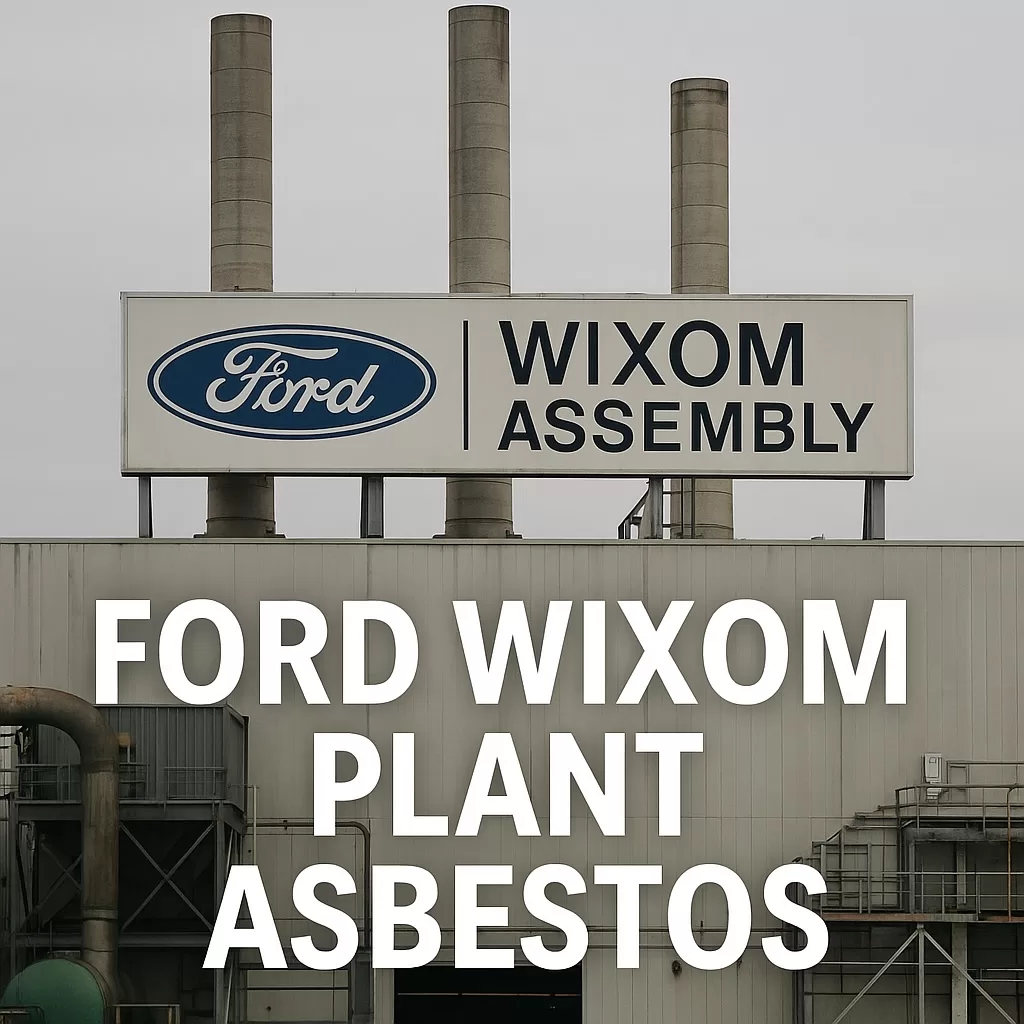
Ford Wixom Plant Asbestos

Ford Wixom Plant Asbestos exposure remains a major cause of mesothelioma and serious asbestos diseases among former Michigan auto workers. For decades, the Ford Wixom Assembly Plant used asbestos-containing materials throughout its operations, especially in maintenance areas, boiler rooms, press lines, and production environments that relied on heat-resistant insulation. Today, many workers who spent years at the Wixom facility are only now being diagnosed with conditions caused by long-term asbestos exposure.

Mesothelioma/Asbestos Legal Help – WV, MI & PA

Speak directly with attorney Lee W. Davis. No call centers. Free, confidential review.

Asbestos Use at the Ford Wixom Assembly Plant

The Ford Wixom Assembly Plant operated from 1957 to 2007 and was one of Ford’s most productive facilities in the United States. Like nearly all major auto plants of its era, it relied heavily on asbestos products because they were heat-resistant, durable, and cheap. As a result, workers faced daily exposure in multiple departments, including:

  • Boiler and power house operations
  • Pressroom insulation and brake systems
  • Welding and cutting stations
  • Machine repair and maintenance
  • HVAC and pipe insulation work
  • Industrial ovens and curing equipment

Maintenance workers, electricians, millwrights, pipefitters, and boiler technicians were among the highest-risk groups because they frequently cut, removed, or replaced asbestos components.

Why Former Wixom Workers Are Still Being Diagnosed

Asbestos diseases such as mesothelioma do not appear immediately. Instead, they develop 20–50 years after exposure, which is why former Wixom employees are being diagnosed today—long after the plant closed. Many workers inhaled asbestos fibers from:

  • Crumbling insulation
  • Dust released during repairs
  • Contaminated equipment surfaces
  • Airborne particles in enclosed workspaces

Once inhaled, these fibers remain permanently trapped in the body.

Legal Options for Former Ford Wixom Employees

If you worked at the Ford Wixom Assembly Plant and developed mesothelioma or another asbestos disease, you may qualify for compensation. Claims can be pursued through:

Compensation can help cover medical care, lost wages, and the long-term consequences of asbestos disease.

How an Experienced Michigan Asbestos Lawyer Helps

A lawyer with deep Michigan industrial experience can identify:

  • The exact asbestos products used at Wixom
  • The responsible manufacturers
  • The highest-value claim pathways
  • Whether exposure occurred in high-risk plant zones

With decades of experience handling Michigan auto-plant asbestos cases, I guide workers and families through every step of the claim process.

Call for Michigan Asbestos Legal Help

If you or a loved one worked at the Ford Wixom Assembly Plant and later developed mesothelioma, call 412-781-0525 for a free case review. There is no upfront cost, and your claim may still be eligible even if the plant closed years ago.

Check If Your Family Was Exposed

Get your free guide instantly + a confidential case review.

🔒 100% Confidential. No obligations.

FAQs — Ford Wixom Plant Asbestos

1. Were workers at the Ford Wixom Plant exposed to asbestos?

Yes. The Ford Wixom Assembly Plant used asbestos-containing materials in insulation, boilers, steam systems, press equipment, HVAC systems, and industrial machinery. Maintenance workers, electricians, millwrights, pipefitters, and repair crews faced the highest exposure, but asbestos dust traveled through many areas of the plant.


2. Can former Ford Wixom workers still file asbestos or mesothelioma claims?

Yes. Even though the plant closed in 2007, former workers can still file claims because asbestos diseases like mesothelioma appear decades after exposure. Claims may be available through asbestos trust funds, lawsuits against product manufacturers, or wrongful death actions for surviving family members.


3. What evidence helps prove an asbestos claim from the Ford Wixom Plant?

Evidence may include work records, union documentation, job titles, coworker statements, maintenance logs, plant equipment lists, and identification of specific asbestos products used at the Wixom facility. An experienced asbestos lawyer can connect job duties to known asbestos sources within the plant.

Detroit Axle Plant Asbestos– Legal Help for Michigan Auto Workers

Detroit Axle Plant Asbestos

Workers exposed to Detroit Axle Plant asbestos face some of the highest mesothelioma and lung cancer risks in Michigan’s automotive industry. For decades, axle manufacturing involved intense heat, friction, machining, and insulation processes where asbestos was widely used. Many of these exposures happened inside confined work areas with poor ventilation, leaving workers vulnerable to airborne fibers every day of their careers.

If you or a loved one worked at a Detroit axle facility—whether producing front-end assemblies, machining axle housings, or maintaining heavy industrial equipment—you may now be eligible for significant compensation.


Mesothelioma/Asbestos Legal Help – WV, MI & PA

Speak directly with attorney Lee W. Davis. No call centers. Free, confidential review.


How Detroit Axle Plants Used Asbestos

Michigan axle plants relied on asbestos-containing materials through much of the 20th century because the mineral offered superior heat resistance and durability. Workers were exposed during:

  • Machining and grinding of brake-related components
  • Furnace and heat-treatment operations
  • Insulation removal, particularly on ovens, dryers, and annealing furnaces
  • Maintenance of pumps, valves, and motors containing asbestos gaskets
  • Handling asbestos brake linings and clutch components
  • Repair of industrial ovens and heat-resistant panels

These processes created fine dust that lingered in the air—easily inhaled by workers and often accumulating on clothing, equipment, and work surfaces.


Trades Most Affected in Detroit Axle Facilities

Several categories of workers faced especially heavy exposure:

  • Machine operators
  • Heat-treat operators
  • Millwrights
  • Electricians
  • Maintenance mechanics
  • Tool and die workers
  • Furnace tenders
  • Production line workers

Even those who never directly handled asbestos-containing parts were frequently exposed to dust released during repairs, grinding, machining, or equipment servicing.


Diseases Linked to Detroit Axle Plant Asbestos Exposure

Axle plant workers are at significantly increased risk for:

Both diseases occur decades after exposure but are directly linked to the asbestos dust commonly found in Michigan’s automotive manufacturing environment.

If you have either diagnosis and a work history involving Detroit axle production, you may qualify for compensation through trust funds, lawsuits, or settlements against product manufacturers.


Why Legal Representation Matters for Detroit Axle Workers

Asbestos cases require precise reconstruction of:

  • The exact production lines
  • The asbestos-containing equipment present during your employment
  • The brands and manufacturers responsible for supplying dangerous components

With a background that includes handling over 3,200 GM Saginaw Foundry cases, and deep Michigan industry familiarity, I can identify the exposure sources quickly and efficiently. Auto-industry asbestos claims are complex—but the evidence patterns are well-established.

👉 Search Asbestos Job Sites in Michigan


Next Steps for Michigan Auto Workers

If you or a loved one has been diagnosed with mesothelioma or lung cancer after working in a Detroit Axle Plant:

  • Your diagnosis may qualify for compensation
  • You do not need the plant to still exist
  • You do not need to remember the product names
  • You do not pay anything unless compensation is recovered

Call 412-781-0525 for a free consultation, or use the secure form below to begin.

Check If Your Family Was Exposed

Get your free guide instantly + a confidential case review.

🔒 100% Confidential. No obligations.

FAQs – Detroit Axle Plant Asbestos

1. How were workers exposed to asbestos at Detroit axle plants?

Workers were exposed through machining dust, furnace insulation, brake-related components, gaskets, pumps, valves, and high-heat equipment that used asbestos. Airborne fibers circulated throughout machining, heat-treat, maintenance, and assembly areas.


2. Which Detroit axle plant jobs faced the highest asbestos risk?

Machine operators, millwrights, maintenance mechanics, electricians, furnace operators, tool-and-die workers, and line workers faced the highest levels of asbestos exposure inside Michigan axle facilities.


3. Can I file an asbestos claim if the Detroit axle plant has closed?

Yes. Claims involve the manufacturers of asbestos products, not the facility itself. Axle plant closures do not affect your eligibility to pursue compensation.


4. What diseases qualify for compensation for Detroit Axle Plant asbestos exposure?

Compensation is available for mesothelioma and asbestos-related lung cancer. These diseases have well-documented links to industrial asbestos exposure in Michigan’s automotive sector.


5. What if I no longer remember the specific asbestos products used?

You do not need to. Exposure sources in Detroit axle plants are well-established through historical records, equipment lists, and product identification. An experienced attorney can reconstruct your exposure history.

Mesothelioma/Asbestos Legal Help – WV, MI & PA

Speak directly with attorney Lee W. Davis. No call centers. Free, confidential review.

Dearborn Steel Asbestos – What Michigan Workers Need to Know

Dearborn Steel Asbestos

Dearborn Steel Asbestos exposure remains a serious issue for many Michigan workers who spent years in heavy manufacturing, steelmaking, and related industrial trades in and around Dearborn. Facilities tied to steel production, processing, and metal fabrication often used asbestos-containing insulation, gaskets, packing, and furnace materials. For many workers, this exposure did not show its effects until decades later—long after the job sites closed or modernized.

Dearborn’s steel industry supported thousands of skilled tradesmen, including millwrights, pipefitters, boilermakers, electricians, welders, and foundry workers. In these environments, asbestos was common around blast furnaces, hot-strip mills, coke ovens, steam lines, turbines, annealing areas, and powerhouses supplying heat to production floors. Even brief or intermittent exposure could create long-term health consequences.


Mesothelioma/Asbestos Legal Help – WV, MI & PA

Speak directly with attorney Lee W. Davis. No call centers. Free, confidential review.

Michigan Steelworkers Faced Daily Asbestos Hazards

Steel facilities throughout Dearborn relied heavily on asbestos because it resisted heat, corrosion, and combustion. That meant asbestos-containing products were found:

  • Around high-temperature equipment
  • Inside refractory bricks
  • In steam pipes and valves
  • In turbine housing and boiler systems
  • In protective insulation on overhead lines
  • In brake linings and foundry components

When disturbed—cut, removed, repaired, or replaced—these materials released microscopic fibers into the air. Workers inhaling these fibers may later develop mesothelioma, lung cancer, or asbestosis.

Michigan has seen a significant number of mesothelioma diagnoses tied to steel, auto, and industrial facilities. Dearborn steel operations were no exception.

👉 Search Asbestos Job Sites in Michigan


Legal Options for Michigan Steelworkers Exposed to Asbestos

Workers who developed asbestos-related diseases may qualify for compensation through:

  • Bankruptcy trust funds
  • Lawsuits against manufacturers of asbestos products
  • Workers’ compensation in certain cases
  • Third-party claims
  • Wrongful-death actions for family members

You do not need to prove the company intentionally harmed you—only that asbestos exposure occurred and led to disease.

For a Michigan-specific claim, documentation of jobsite history, trades worked, and employer records is crucial. My firm prepares this evidence for you, using decades of jobsite data from Michigan steel, auto, and industrial facilities.


Experienced Michigan Asbestos Representation

I have handled thousands of industrial asbestos cases since 1988, including extensive work with major Michigan job sites and manufacturers. My background includes managing more than 3,200 GM Saginaw Foundry cases between 1996 and 1999—direct, hands-on experience with Michigan’s industrial asbestos history.

If you or a loved one worked in Dearborn steel or related Michigan facilities and have been diagnosed with mesothelioma, lung cancer, or another asbestos disease, legal help is available today.


Call for a Free Michigan Case Review

You can reach me directly at 412-781-0525 or through the form below.

Check If Your Family Was Exposed

Get your free guide instantly + a confidential case review.

🔒 100% Confidential. No obligations.


FAQs – Dearborn Steel Asbestos

1. What asbestos products were used in Dearborn steel facilities?

Steel mills and metal-processing plants in Dearborn used asbestos in high-heat areas, including furnace insulation, steam lines, refractory materials, gaskets, packing, turbines, and boiler equipment. These products released asbestos fibers during maintenance, repairs, and routine production work.


2. Which Michigan workers are most affected by Dearborn steel asbestos exposure?

Millwrights, pipefitters, boilermakers, electricians, welders, machine operators, furnace crews, and maintenance workers faced the highest risk. Any trade working near heat, steam, or mechanical systems likely encountered asbestos regularly.


3. Can I still file an asbestos claim if the Dearborn steel plant has closed?

Yes. Asbestos claims are filed against the manufacturers of asbestos products, not the plant itself. Even if the facility closed or reorganized years ago, workers diagnosed today may still qualify for compensation through bankruptcy trusts and lawsuits.


4. How long do I have to file a Michigan asbestos lawsuit?

Michigan’s statute of limitations generally runs three years from the date of diagnosis. Wrongful-death claims must be filed within three years of death. Early legal action is critical because asbestos disease progresses quickly.


5. Do I need to remember the asbestos products I worked around?

No. I reconstruct your work history and identify the asbestos-containing products used at Michigan steel sites. My 35+ years of asbestos case experience—and database of Michigan industrial materials—fills in the gaps workers typically cannot recall.


6. What compensation is available for Michigan steelworkers with mesothelioma?

Eligible workers may recover from:

  • Asbestos bankruptcy trust funds
  • Manufacturer lawsuits
  • Wrongful-death claims for families

Mesothelioma/Asbestos Legal Help – WV, MI & PA

Speak directly with attorney Lee W. Davis. No call centers. Free, confidential review.

Michigan Foundry Worker Asbestos

Michigan Foundry Worker Asbestos

Michigan Foundry Worker Asbestos exposure remains one of the most dangerous occupational hazards in the state’s historic iron, steel, and automotive industries. Foundry workers who spent years around high-heat equipment, furnace linings, refractory materials, molds, and contaminated dust frequently encountered asbestos without warning. These exposures have led to mesothelioma, lung cancer, and asbestosis long after the work ended.

Mesothelioma/Asbestos Legal Help – WV, MI & PA

Speak directly with attorney Lee W. Davis. No call centers. Free, confidential review.

For decades, Michigan foundries—large and small—used asbestos throughout the workplace because it resisted heat and protected equipment from failure. Workers were rarely told of the risks. Today, the medical consequences are showing up with devastating clarity.


Where Foundry Workers Faced Asbestos in Michigan

Michigan foundries used asbestos in numerous operations, including:

• Cupola and Electric Arc Furnaces

Furnace linings, refractory brick, and insulation blankets often contained asbestos fibers that released dust during repairs and relining.

• Mold and Core Making

Some binders, additives, and insulation materials used around mold assemblies carried asbestos contamination.

• Pouring, Knockout, and Shakeout Areas

As molten metal hit asbestos-insulated surfaces and older equipment, disturbed fibers became airborne.

• Ladles, Tapholes, Runners, and Trough Systems

Asbestos insulation protected against thermal shock, meaning routine maintenance released heavy dust.

• Grinding Rooms and Finishing Departments

Dust collection systems frequently spread fibers throughout the shop floor.

Michigan workers at iron, aluminum, and steel foundries have reported exposures from the 1950s through the early 2000s.

👉 Search Asbestos Job Sites in Michigan


Diseases Linked to Foundry Asbestos Exposure

Foundry workers face elevated risks for:

Symptoms often appear 20–50 years after exposure.


Your Legal Options in Michigan

Michigan law allows asbestos victims—and their families—to pursue compensation through:

Employers are not the target of litigation in Michigan asbestos cases due to state workers’ compensation limitations, but manufacturers and suppliers remain fully liable.

With decades of experience—including handling 3,200 GM Saginaw Foundry asbestos cases from 1996–1999—I know how these exposures happened and where the evidence leads.


Call Lee Directly

If you or a loved one worked in a Michigan foundry and later developed mesothelioma or lung cancer, call me directly at 412-781-0525 or visit leewdavis.com.

You will speak with me, not an intake center.

Check If Your Family Was Exposed

Get your free guide instantly + a confidential case review.

🔒 100% Confidential. No obligations.


Frequently Asked QuestionsMichigan Foundry Worker Asbestos

1. How were Michigan foundry workers exposed to asbestos?

Through furnace insulation, refractory materials, older molds, ladle insulation, and airborne dust from grinding and shakeout departments.

2. Can I file a lawsuit if the foundry no longer exists?

Yes. Claims target manufacturers of asbestos-containing products, not the employer. Many companies are bankrupt, but their trust funds still pay claims.

3. What compensation is available?

Settlements, trust fund payouts, and in some cases wrongful death compensation for families.

4. How long do I have to file?

Michigan’s statute of limitations is strict—typically three years from diagnosis. Do not delay.

Mesothelioma/Asbestos Legal Help – WV, MI & PA

Speak directly with attorney Lee W. Davis. No call centers. Free, confidential review.

Saginaw Foundry Asbestos Lawyer

Saginaw Foundry Asbestos Lawyer

Workers at the major Saginaw foundries faced some of the highest asbestos exposure levels in Michigan history. If you or a loved one developed mesothelioma, lung cancer, or another asbestos-related disease after working in these facilities, a Saginaw Foundry Asbestos Lawyer can help you pursue compensation and hold manufacturers accountable.

Mesothelioma/Asbestos Legal Help – WV, MI & PA

Speak directly with attorney Lee W. Davis. No call centers. Free, confidential review.

Asbestos Exposure at Saginaw Foundries

For decades, Saginaw was one of the industrial centers of Mid-Michigan, home to multiple GM-related foundries and supplier plants. These foundries used asbestos in:

  • Core room insulation and core ovens
  • Cupola furnace refractory, linings, and patching materials
  • Pouring lines, ladles, and molten metal transfer equipment
  • Molding sands contaminated with asbestos binders
  • Shakeout lines and ventilation systems
  • Pipe insulation on steam lines and process piping
  • Boilers, compressors, and maintenance-repair operations
  • Asbestos gloves, aprons, jackets, and PPE used historically
  • Machinery and motor repairs requiring asbestos gaskets and packing

Millwrights, pourers, furnace tenders, core makers, and maintenance crews — especially those who repaired high-heat equipment — all encountered airborne asbestos fibers daily. In many cases, the exposure levels were extreme because the foundries were enclosed, poorly ventilated, and operated at very high temperatures.

The danger persisted well into the 1980s and 1990s, long after the companies knew asbestos caused cancer.

GM Saginaw Foundry Experience That Few Lawyers Have

Attorney Lee W. Davis handled more than 3,200 GM Saginaw Foundry asbestos cases during the 1990s — including Grey Iron, Nodular Iron, and Malleable Iron facilities.

This experience matters. These cases involve:

  • Complex jobsite-specific exposure histories
  • Unions such as UAW locals
  • Product identification and refractory suppliers
  • Corporate knowledge and document trails
  • Michigan asbestos defendants and local defense counsel

Most firms do not have the background, internal exposure maps, or firsthand knowledge needed to win Michigan foundry cases. Lee Davis does — because he has been litigating them since 1996.

Diseases Linked to Saginaw Foundry Asbestos Exposure

A Saginaw Foundry Asbestos Lawyer may be able to help if you or a family member has been diagnosed with:

These diseases often appear decades after exposure — meaning workers from the 1970s, 1980s, and 1990s are being diagnosed today.

Who Can File a Claim?

Under Michigan law, claims may be available for:

  • Former foundry workers
  • Retired union members
  • Workers in casting, pouring, millwrighting, furnace work, and maintenance
  • Families filing wrongful death claims for a loved one
  • Estate representatives
  • Workers diagnosed recently — even decades after retirement

Even if the foundry closed or the company reorganized, the legal claims remain valid.

Compensation Available

A Saginaw Foundry Asbestos Lawyer may help you recover:

  • Medical expenses
  • Lost wages and loss of earning capacity
  • Pain and suffering
  • Wrongful death damages
  • Trust fund compensation where applicable

These cases often settle without going to trial — but being prepared to try the case is what forces meaningful settlement.

Why Choose Lee W. Davis?

  • 35+ years of asbestos litigation
  • Extensive GM Saginaw Foundry case history
  • Michigan-specific exposure knowledge
  • Direct attorney access — no case managers, no call centers
  • Fast action on new diagnoses

When you call, you speak with Lee Davis directly. No delays. No gatekeepers.


Call for Legal Help

If you or a loved one worked at a Saginaw foundry and later developed an asbestos-related illness, call 412-781-0525 or visit leewdavis.com.

You will speak directly with Attorney Lee W. Davis — no sales team, no screening department.

Check If Your Family Was Exposed

Get your free guide instantly + a confidential case review.

🔒 100% Confidential. No obligations.


Frequently Asked Questions

1. Can I still file a claim if the Saginaw foundry closed years ago?

Yes. Even if the foundry shut down, reorganized, or changed ownership, the right to bring an asbestos claim remains intact. Many cases today involve facilities that closed decades ago.

2. Do I need proof of exactly which asbestos products were used?

No. Lee W. Davis has decades of historical product identification, records, supplier knowledge, and exposure patterns specific to Saginaw foundries — evidence most law firms do not possess.

3. How long do I have to file a claim in Michigan?

Michigan’s statute of limitations is strict and runs quickly after diagnosis. Contact a Saginaw Foundry Asbestos Lawyer immediately so deadlines do not bar your claim.